
Background on the Incident
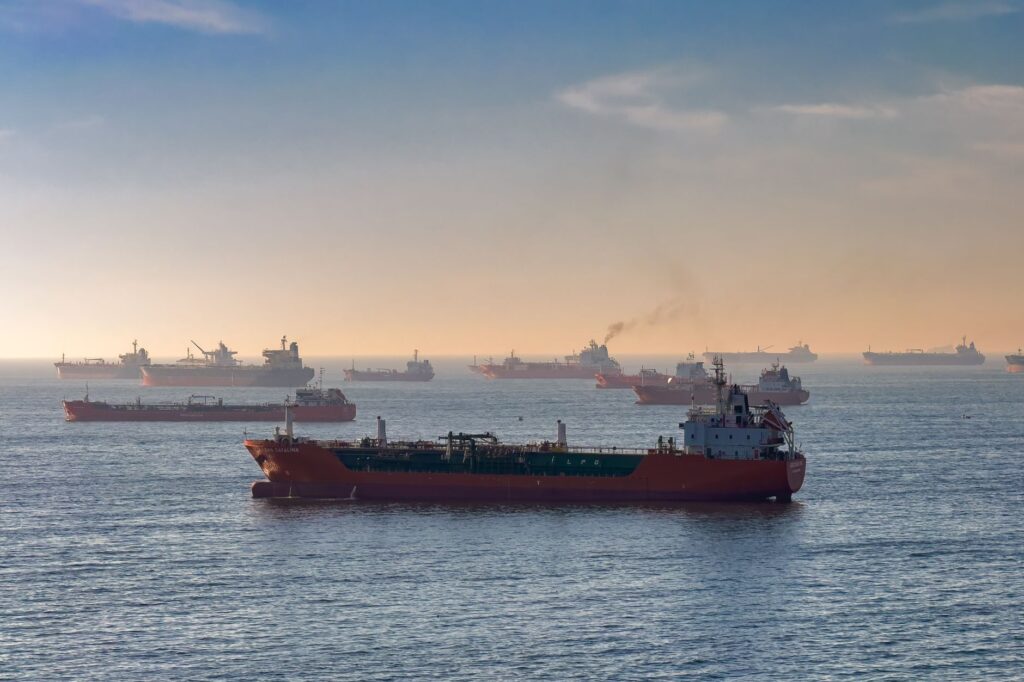
Recent reports indicate that two oil tankers have caught fire in the critical Strait of Hormuz. This maritime passage serves as one of the most vital arteries for global crude oil shipments, making any security incident in the area a matter of intense international scrutiny.
Details of the Maritime Events
While details surrounding the cause of the fires continue to emerge, the situation has heightened anxiety across global energy markets. The Strait of Hormuz handles a massive percentage of the world’s petroleum supply, meaning disruptions can quickly influence international commerce and fuel prices.
Emirati Vessel Sustains Damage
Adding to the developing security situation, the state-owned oil company ADNOC in the United Arab Emirates reported that one of its own vessels suffered damage. According to company statements, the ship was targeted while operating within UAE territorial waters in the Gulf during the afternoon hours.
Implications for Regional Security
These concurrent maritime incidents highlight the fragility of security along key shipping lanes in the Middle East. Authorities and industry analysts are closely monitoring developments to assess the potential impact on regional stability and the safe transit of commercial vessels.
Global Market Reactions
Energy markets frequently react with volatility to security concerns involving major oil-producing regions. As authorities investigate the exact nature of the attacks and the fires aboard the tankers, stakeholders across the shipping and energy sectors remain on high alert.
Next Steps and Investigations
Official investigations into the incidents in the Strait of Hormuz and UAE waters are expected to continue. Governments and maritime organizations will likely review security protocols to ensure the continued protection of commercial fleets navigating these volatile international waters.