
Market Overview And Index Movement
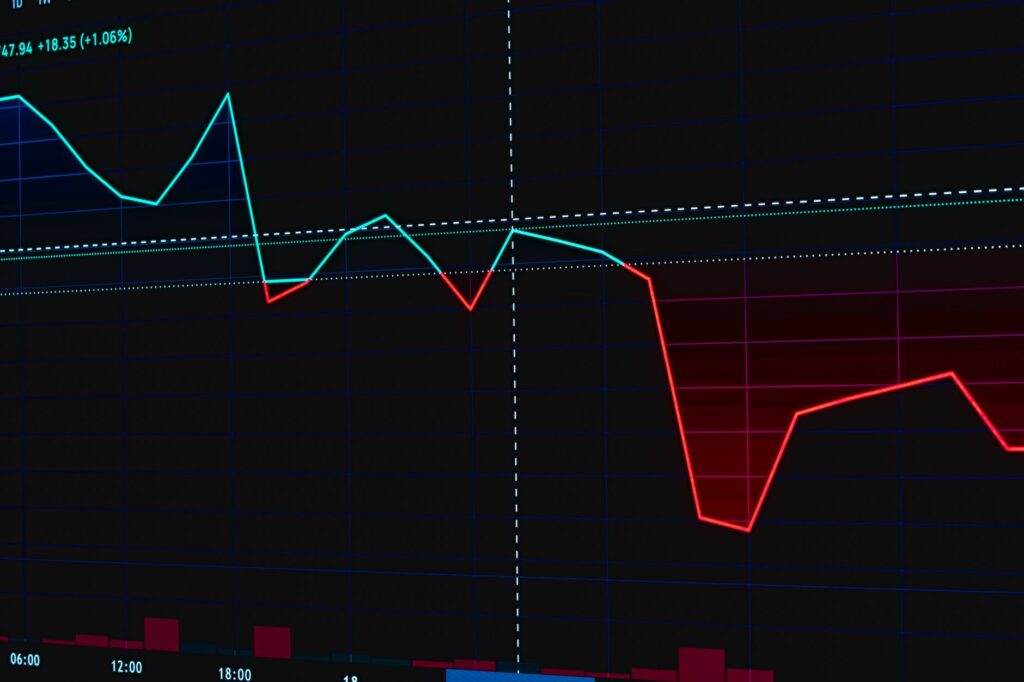
Stock index futures experienced a notable downward trend during the recent trading session. Both the Nasdaq and the S&P 500 futures slid into negative territory as investors reacted to sudden turbulence within the technology sector. Wall Street participants closely monitored the movements, as key semiconductor shares faced intense selling pressure.
The broader market sentiment shifted quickly following volatility in high-growth technology equities. Analysts noted that market participants were reassessing valuations across the board. The sudden downturn in index futures highlighted the ongoing sensitivity of major equity benchmarks to fluctuations in a handful of mega-cap technology companies.
Nvidia Turbulence Rattles AI Stocks
At the center of the market correction was significant volatility surrounding Nvidia. As a primary driver of the artificial intelligence boom, any price movement in Nvidia shares tends to create a ripple effect across the entire sector. Traders reduced their exposure to AI-related chipmakers, leading to sharp declines for several industry participants.
Other semiconductor and infrastructure providers also experienced downward momentum alongside Nvidia. Companies tied to artificial intelligence hardware supply chains faced profit-taking. Market observers pointed out that the intense concentration of gains in AI equities over recent periods leaves the broader indices vulnerable whenever sentiment shifts for major chip designers.
Sector Wide Impact On Semiconductor Equities
The weakness extended beyond a single corporation, affecting a broad array of semiconductor manufacturers and infrastructure suppliers. Companies involved in memory chips, networking hardware, and custom silicon development saw their valuations dip during the live trading updates.
Investors weighed the sustainability of rapid growth against recent market valuations. While the long-term outlook for artificial intelligence adoption remains a focal point for institutional portfolios, short-term positioning has become increasingly cautious. Portfolio managers appear to be locking in gains and reducing risk amid the heightened sector volatility.
Treasury Yields And Macroeconomic Factors
Beyond equity markets, market participants continued to track developments in the fixed income space. Treasury yields remained a critical factor influencing investor behavior. Fluctuations in government debt yields often dictate the attractiveness of equities, particularly high-valuation growth companies within the technology sector.
Economic data releases and central bank policy expectations also played a role in shaping market direction. Traders factored in potential monetary policy adjustments alongside corporate earnings reports. The combination of shifting macro indicators and technology sector turbulence created a complex environment for active traders and long-term investors alike.
Outlook For Wall Street Trading
Looking ahead, market participants expect continued volatility as Wall Street digests the latest developments in artificial intelligence hardware demand. Analysts emphasize the importance of monitoring upcoming corporate updates from major technology firms to gauge the underlying health of the sector.
While short-term corrections are a natural part of market cycles, the heavy reliance on semiconductor performance means index movements will likely remain closely tied to AI sector trends. Investors are advised to maintain diversified strategies while navigating the ongoing market fluctuations.