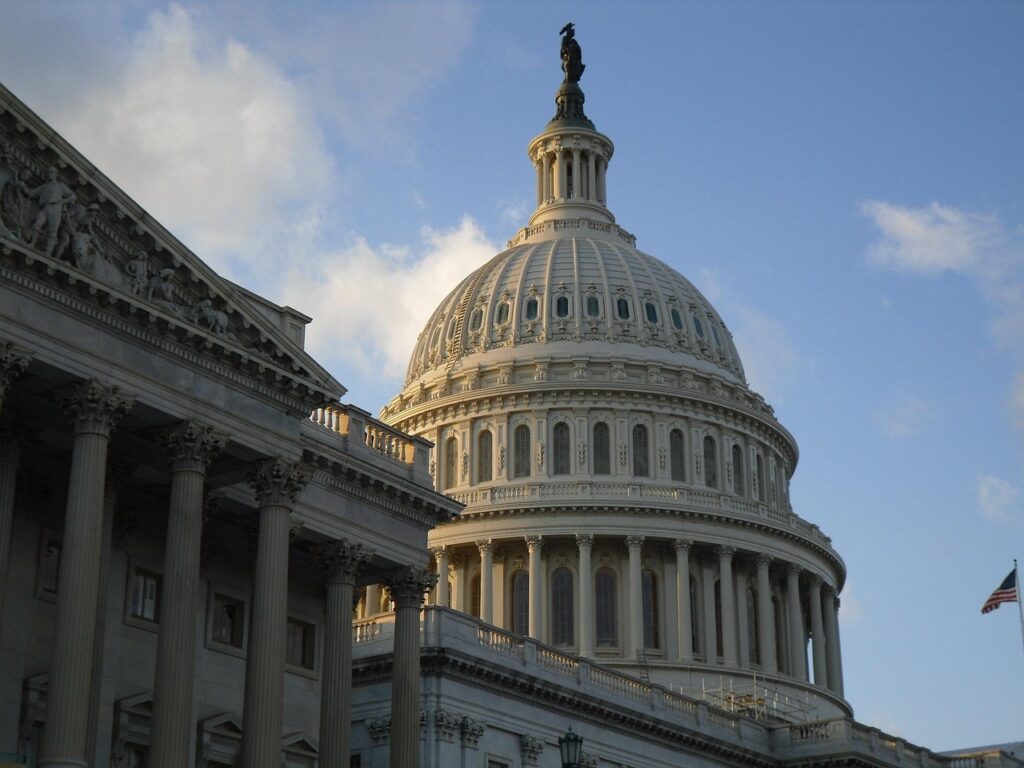

WASHINGTON — Inside the grand, red-brick confines of the British Embassy on Massachusetts Avenue, diplomats are executing a delicate dance of bilateral charm and strategic calculation. As Washington navigates a highly polarized political landscape, British Ambassador Dame Karen Pierce and her team are working to secure the historic “Special Relationship” ahead of pivotal shifts in U.S. foreign policy. Foreign-affairs columnist Nahal Toosi recently reported from the diplomatic compound, highlighting how British officials are deploying carefully calibrated, “diplomatic answers” to bridge deep partisan divides on Capitol Hill.
The Architecture of the Special Relationship
The British Embassy in Washington serves as the nerve center for the United Kingdom’s most critical foreign alliance. Established in its current Lutyens-designed compound in 1930, the embassy manages everything from intelligence sharing under the Five Eyes alliance to joint military strategies. Historically, the relationship has weathered shifting administrations in both London and Washington, relying on deep institutional ties rather than personal chemistry between leaders.
Today, that durability is being tested by geopolitical instability in Europe and the Middle East, alongside domestic economic pressures within the UK. With a newly elected Labour government in London under Prime Minister Keir Starmer, British diplomats face the urgent task of aligning their progressive domestic agenda with a highly unpredictable American political theater. The challenge lies in maintaining influence without appearing to interfere in domestic U.S. politics.
According to historical data from the Foreign, Commonwealth & Development Office (FCDO), the U.S. remains the UK’s largest single export market, accounting for over $200 billion in bilateral trade annually. This economic interdependence ensures that the embassy’s mission extends far beyond military cooperation, encompassing trade, technological innovation, and climate policy.
Bipartisan Outreach in a Polarized Era
To maintain influence, British diplomats are actively engaging with both sides of the aisle. Embassy officials regularly host delegations of both Democratic and Republican lawmakers, seeking to build consensus on critical security issues like continued funding for Ukraine and joint operations in the Red Sea. This outreach is vital as Congress debates foreign aid packages and defense spending bills.
According to embassy observers, this bipartisan strategy requires a high degree of rhetorical agility. Diplomats must field sharp questions on sensitive topics, such as UK defense spending and trade barriers, while maintaining a strictly neutral posture. Columnist Nahal Toosi noted that the ability to offer a “diplomatic answer”—one that satisfies both political factions without committing to partisan positions—remains the embassy’s most valuable tool.
This strategic ambiguity is particularly crucial as the U.S. presidential election approaches. British officials are already establishing channels with advisors from both major political campaigns, ensuring that regardless of who occupies the White House in January, British interests remain protected. By engaging early with policy advisors, London hopes to preempt potential policy shocks, such as sudden tariff increases or shifts in treaty commitments.
Defense, AUKUS, and the Security Umbrella
At the heart of current discussions is defense integration. The trilateral AUKUS security pact, signed alongside Australia, represents a generational commitment to Indo-Pacific security and high-tech military collaboration. Diplomats in Washington are lobbying U.S. lawmakers to streamline export control regulations, specifically the International Traffic in Arms Regulations (ITAR), which have historically hindered rapid technology sharing.
Data from the Stockholm International Peace Research Institute (SIPRI) underscores the scale of this partnership, noting that the U.S. and UK remain the primary drivers of NATO’s maritime strategy in the North Atlantic. Ensuring that Congress remains committed to funding domestic defense manufacturing is vital for the UK’s own strategic supply chains, which are heavily integrated with American defense contractors.
Furthermore, the embassy is working to maintain a unified front on the war in Ukraine. While some factions in Washington have expressed skepticism over long-term aid, British diplomats continue to present a data-driven case that supporting Kyiv is essential for preventing wider European instability. They argue that a weakened Russia directly benefits American security interests by deterring aggression elsewhere.
Navigating Divergent Global Policies
Despite the close alignment, significant policy differences remain between London and Washington. The UK has taken a more cautious approach to decoupling its economy from China, prioritizing “de-risking” while maintaining crucial trade relationships. In contrast, many U.S. lawmakers favor a more aggressive economic confrontation with Beijing, posing a diplomatic challenge for British envoys who must explain London’s nuanced position.
Climate policy represents another area of potential divergence. While the Starmer government has committed to rapid decarbonization and green energy investments, the future direction of U.S. environmental policy remains highly contingent on domestic political outcomes. British diplomats are emphasizing the economic benefits of green technology partnerships to appeal to market-oriented U.S. policymakers.
Experts from the Brookings Institution suggest that the UK’s diplomatic success in Washington depends on its ability to offer unique value. Whether through intelligence assets, diplomatic networks in the Commonwealth, or specialized military capabilities, the UK must demonstrate that it remains an indispensable partner rather than a dependent ally.
What to Watch Next
The immediate future of Anglo-American relations will depend on several upcoming milestones. Observers should watch the upcoming NATO summit and bilateral trade working groups for concrete signs of policy alignment. The UK’s ability to secure exceptions in future U.S. tariff regimes will serve as a key metric for the embassy’s economic lobbying efforts.
Additionally, the transition of power in Washington will test the limits of the embassy’s bipartisan outreach. As British diplomats continue to draft contingency plans for various political scenarios, their quiet diplomacy behind closed doors will ultimately dictate the strength of the transatlantic alliance in an increasingly volatile world. The success of these diplomatic endeavors will be measured by how seamlessly the two nations can coordinate their responses to emerging global crises.