
Delhi Water Quality During Chhath Puja Evaluated Across Ghats
Introduction to Chhath Puja Water Standards
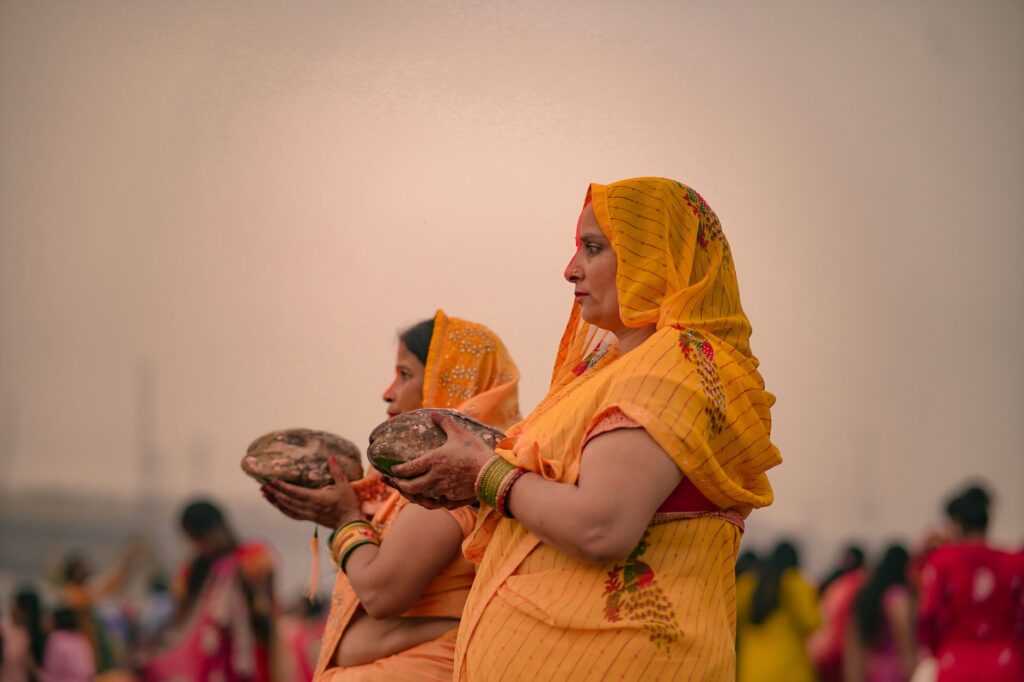
The annual celebration of Chhath Puja brings millions of devotees to the banks of various water bodies for sacred rituals and holy baths. Maintaining safe water conditions is vital for the health and well-being of the public participating in these traditional observances. Authorities continuously monitor water parameters to ensure public safety during major religious gatherings.
Understanding Biochemical Oxygen Demand
According to official guidelines established by the central administration for bathing water quality, the biochemical oxygen demand, commonly known as BOD, should measure at 3 milligrams per liter or lower. Biochemical oxygen demand serves as a critical indicator for detecting sewage contamination and the presence of other organic waste materials within aquatic ecosystems. Higher levels of BOD generally point to compromised water purity and elevated pollution loads.
Evaluating Delhi Water Bodies
Assessments conducted across various locations in the capital city measure pollution levels against established regulatory benchmarks. Environmental experts analyze samples from multiple waterfront sites to determine their suitability for ceremonial activities. While overall pollution remains a significant challenge across the region, monitoring data helps identify specific areas that align more closely with acceptable environmental criteria compared to severely degraded zones.
Public Health and Safety Measures
Government agencies and local municipal bodies work to manage crowds and provide alternative arrangements when natural water sources fail to meet safety thresholds. Citizens are encouraged to remain informed about official advisories regarding water conditions during festive periods. Ongoing efforts focus on improving infrastructure and reducing waste influx to ensure safer conditions for future celebrations.