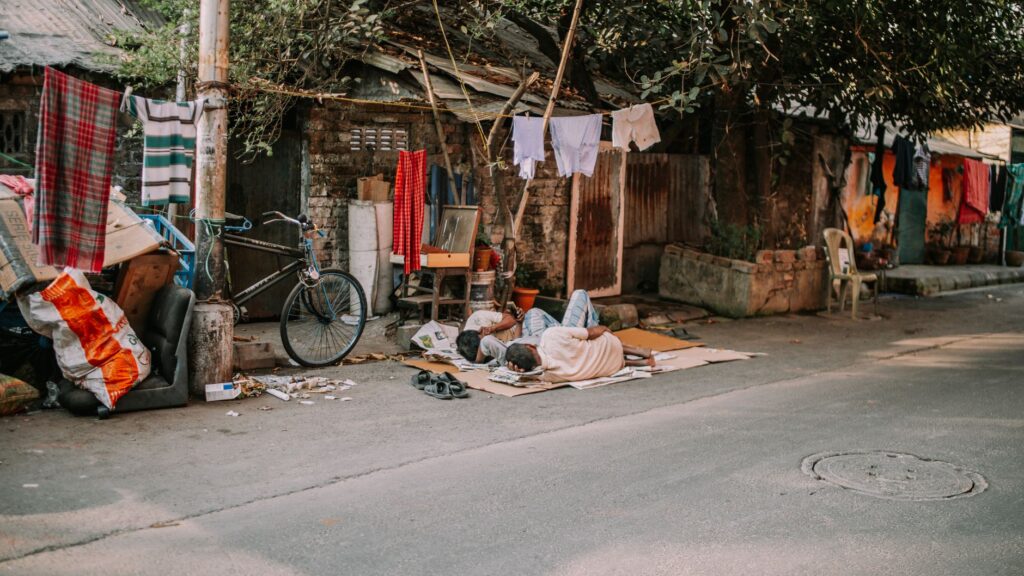

Recent economic evaluations reveal a significant downward trend in poverty levels across the nation, highlighting shifting demographics and economic landscapes.
Drivers of Poverty Reduction
The World Bank attributes this notable drop in poverty largely to robust consumption growth. Additionally, increasing employment rates, particularly among women, have played a vital role in lifting households out of financial distress. Expanded social support initiatives, including targeted food subsidies, have further cushioned vulnerable populations against economic shocks, creating a safety net that encourages stability and growth.
Geographic Concentration of Hardship
Despite the overarching national progress, financial hardship is becoming increasingly localized. Observers note that remaining poverty is heavily concentrated within a specific regional corridor. This geographical clustering presents unique challenges for policymakers aiming for balanced national development.
Pathways Forward
Addressing localized economic disparity requires targeted interventions that go beyond broad national strategies. Ensuring sustained employment growth and continued social support will remain critical for regions experiencing entrenched poverty, paving the way for more equitable long-term prosperity.