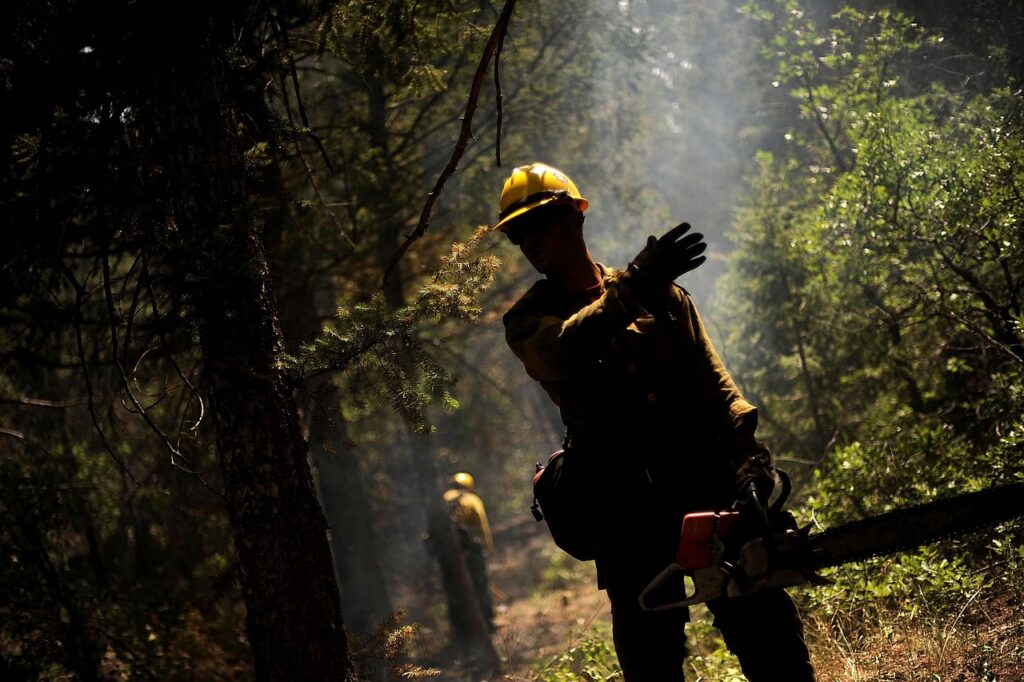

OTTAWA — As unprecedented wildfire smoke choked major American cities this season, rising political tensions across the Canada-U.S. border have put a spotlight on the historic, decades-long firefighting alliance between the two nations. Ontario Premier Doug Ford recently dismissed critics “chirping” from south of the border, reminding officials that wildfire management is a shared, reciprocal challenge that ignores geopolitical boundaries.
A History of Shared Flames and Mutual Aid
The partnership between Canadian and American wildfire agencies dates back decades, codified under formal agreements designed to share resources during peak fire seasons. The Canada-United States Reciprocal Forest Fire Fighting Arrangement, established in 1982, allows for the rapid deployment of firefighters, water bombers, and tactical equipment across the border.
Under this treaty, when U.S. states face overwhelming blazes, Canadian provinces routinely dispatch specialized crews. Conversely, American hotshot crews regularly travel north to bolster Canadian containment lines during extreme fire years, demonstrating a deeply integrated continental defense system against natural disasters.
According to data from the Canadian Interagency Forest Fire Centre (CIFFC), this mutual aid has saved thousands of homes and millions of acres of forest on both sides of the border over the last forty years. The system operates on a strict principle of reciprocity, where the receiving nation covers the operational costs of the incoming aid, ensuring no financial strain on the donor country.
In past seasons, such as the devastating 2020 West Coast fire season in the United States, Canadian provinces sent hundreds of personnel to Oregon and California. Similarly, during Canada’s catastrophic Fort McMurray fire in 2016, American resources played a pivotal role in protecting critical infrastructure.
Political Friction Amidst the Haze
Despite this cooperative history, the intensity of recent wildfire seasons has tested diplomatic patience. High-altitude winds carried thick, orange plumes of smoke from Quebec and Ontario into major U.S. metropolitan areas, including New York City, Washington, D.C., and Chicago, triggering hazardous air quality alerts and disrupting daily life for millions.
The sudden drop in air quality prompted sharp criticism from several American lawmakers, who questioned Canada’s forest management practices and mitigation strategies. Some U.S. media commentators and local politicians demanded faster action from Ottawa to suppress the blazes impacting American citizens, sparking a public debate over environmental responsibility.
In response to the mounting criticism, Ontario Premier Doug Ford defended the efforts of Canadian emergency services. Ford emphasized that wildland firefighters were working around the clock under extreme conditions to protect communities, urging critics to understand the sheer scale of the natural disasters.