
Navigating Global Uncertainty
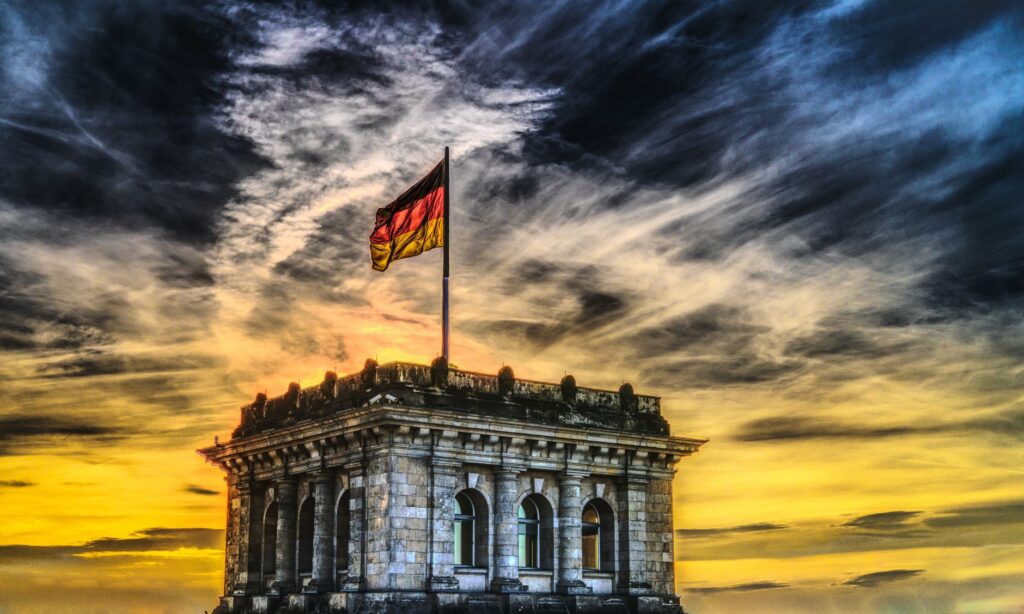
Modern international relations are experiencing a phase of profound instability. According to high-level diplomatic assessments shared at a recent leadership forum, the contemporary global order is drifting through particularly stormy seas. Multiple concurrent conflicts, escalating diplomatic frictions, and unprecedented uncertainties define the geopolitical landscape of today.
International affairs are rarely static, but the current velocity of change presents unique challenges for emerging and established economies alike. Leaders across the globe are forced to recalibrate their foreign policies to adapt to shifting alliances and unpredictable economic tremors. In this climate of instability, clarity of vision becomes paramount for any nation wishing to safeguard its sovereignty and economic growth.
The Lens of National Interest
At the core of effective statecraft during turbulent times lies a steadfast commitment to domestic priorities. When external pressures mount and global supply chains fracture, governments must evaluate every international engagement through the rigorous lens of national interest. This approach ensures that diplomatic energy is channeled into securing strategic autonomy rather than getting entangled in distant rivalries.
Prioritizing national welfare does not imply isolationism. Rather, it demands strategic engagement on favorable terms. By maintaining independent stances on critical global issues, a country can foster robust partnerships with diverse global powers without compromising its core values or long-term developmental goals. This pragmatic diplomacy allows for flexible navigation as geopolitical alignments shift.
Anticipating Long-Term Challenges
The current period of turbulence is unlikely to dissipate overnight. Diplomatic analysts and policymakers suggest that the friction characterizing the international system could persist for several years. This extended horizon requires nations to build internal resilience, strengthen domestic manufacturing, and diversify trade partnerships to insulate themselves against external shocks.
Preparation for a prolonged period of global friction involves strengthening both economic fundamentals and defense capabilities. Nations that invest wisely in innovation, infrastructure, and human capital during calm periods are better equipped to withstand external storms. Strategic foresight therefore serves as the ultimate shield against unpredictable international volatility.
Strategic Autonomy in a Multipolar World
The transition toward a truly multipolar world order adds another layer of complexity to international dynamics. As traditional power centers wane and new regional heavyweights emerge, diplomatic maneuvering requires a delicate balance. Multipolarity offers numerous opportunities for developing nations to diversify their alliances, yet it simultaneously introduces fierce competition for influence and resources.
Retaining strategic autonomy within this intricate web of global competition requires unwavering diplomatic discipline. By refusing to become a junior partner in external coalitions, sovereign nations can preserve the freedom to act in the best interests of their citizens. Ultimately, steady leadership and a clear focus on national priorities remain the most reliable compass for steering through the complexities of a changing world.