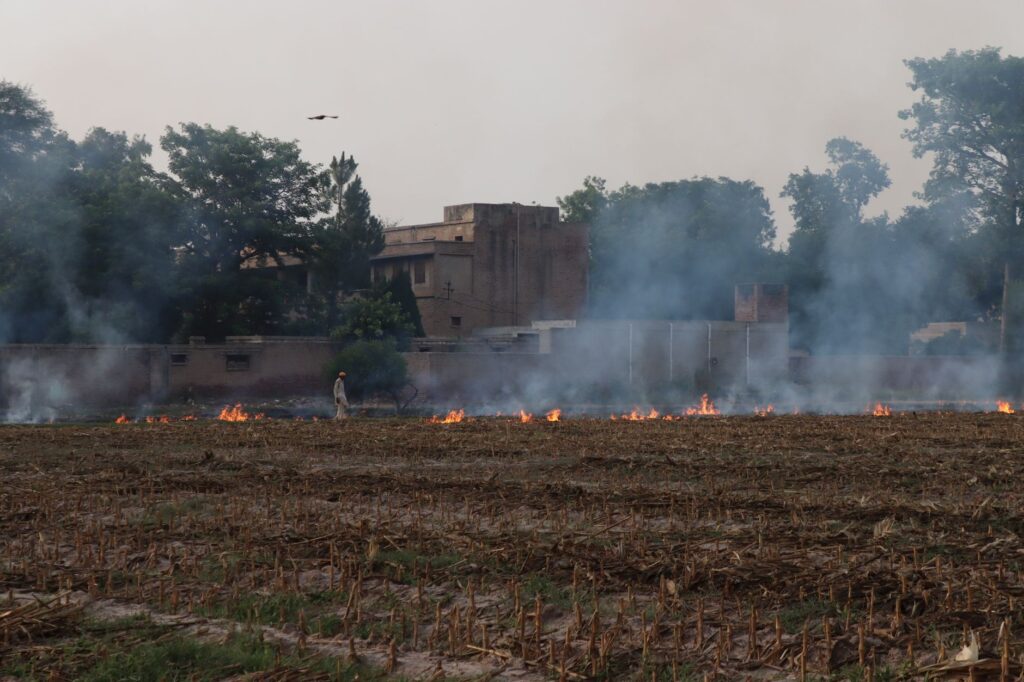

The ongoing environmental challenge regarding agricultural waste management in northern India continues to demand significant administrative attention. Authorities have intensified monitoring efforts to curb illegal crop residue burning, which remains a primary concern for air quality during the harvest season. Enforcement teams have been deployed across various agricultural districts to identify violations and apply punitive measures against offenders.
Recent enforcement statistics highlight the scale of the issue across the region. Statewide monitoring networks have documented thousands of individual fire incidents. In response to these environmental violations, local authorities have levied substantial financial penalties totaling one crore rupees to deter future non-compliance among farming communities.
Patiala District Enforcement Overview
Within Patiala district specifically, monitoring agencies recorded nearly four hundred separate agricultural fire incidents. Administrative teams prioritized rapid verification by initiating physical inspections at a vast majority of these reported locations to ascertain the ground reality.
Field inspections successfully covered hundreds of sites within the district. Upon detailed examination by agricultural and environmental officers, burning was officially confirmed at more than two hundred specific locations. These verified instances serve as the basis for calculating environmental compensation and issuing formal notices to responsible landowners.
Administrative Challenges And Future Outlook
Addressing the complex issue of post-harvest residue management requires a balanced approach that combines strict regulatory enforcement with practical support for agricultural workers. While punitive actions such as financial penalties are necessary to enforce compliance, local authorities continue to evaluate long-term sustainable solutions to prevent residue burning before it occurs.
The ongoing cooperation between district administrations, environmental boards, and farming communities remains essential for improving regional air quality metrics. As monitoring protocols evolve and inspection efficiency increases, authorities aim to significantly reduce the frequency of illegal burning incidents in future agricultural cycles.