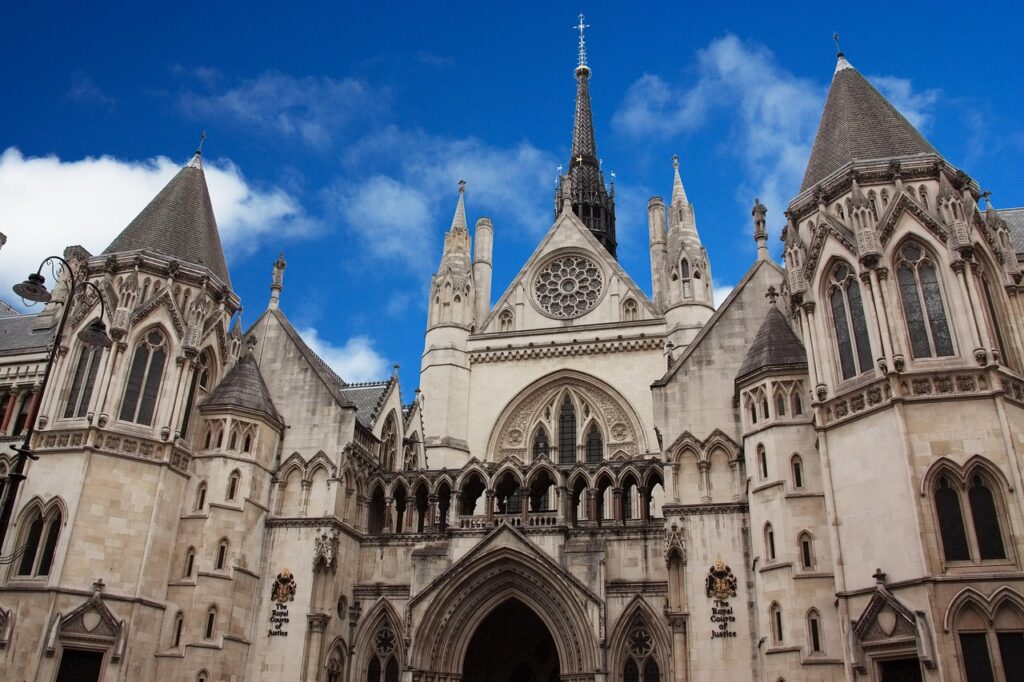

Prince Harry, the Duke of Sussex, is intensifying his legal fight for taxpayer-funded police protection in the United Kingdom, expressing a strong desire to facilitate safer, more frequent visits with King Charles III for his young children. The ongoing dispute escalated following a High Court ruling in London that upheld the decision to strip the Duke of his automatic royal security detail. Harry maintains that without this state-sponsored protection, his family cannot safely return to his homeland.
The Legal Battle Over Royal Security
The roots of this legal conflict trace back to January 2020, when Prince Harry and his wife, Meghan Markle, announced their decision to step back from their roles as senior working members of the Royal Family. Following their subsequent relocation to California, the Executive Committee for the Protection of Royalty and Public Figures (RAVEC) revised the Duke’s security arrangements. Under the new guidelines, Harry’s security during UK visits is determined on a bespoke, case-by-case basis, rather than receiving the automatic, 24-hour protection granted to active royals.
In February 2024, High Court Judge Sir Peter Lane ruled that RAVEC’s decision was neither irrational nor procedurally unfair, dealing a significant blow to the Duke’s legal strategy. Despite this setback, Prince Harry’s legal team has filed for permission to appeal the decision, arguing that the reduction in security compromises his family’s safety. The Duke asserts that his children, Prince Archie and Princess Lilibet, deserve to understand their heritage and build a relationship with their grandfather, King Charles, in a secure environment.
A Family Divided by Security Concerns
The core of Prince Harry’s argument rests on the premise that his birthright security should not be compromised by his decision to step down from official duties. His legal representatives argue that the threat level against him has not decreased, citing his high-profile status and the persistent media attention surrounding his family. The Duke has previously expressed deep concern over the safety of his wife and children, drawing parallels to the tragic circumstances surrounding his late mother, Princess Diana.
Conversely, the UK Home Office maintains that state-funded security is a finite resource that must be allocated strictly based on official public duty. Government lawyers argue that the bespoke arrangements offered to the Duke are sufficient and tailored to the specific nature of each visit. They emphasize that private individuals, regardless of their royal lineage, should not have automatic access to specialist police protection at the taxpayers’ expense.
Public Sentiment and Financial Questions
The legal battle has sparked intense debate across the United Kingdom regarding the use of public funds. According to official figures released by the Home Office, the legal dispute has already cost British taxpayers over £500,000 in government legal fees. This expenditure has drawn criticism from public advocacy groups, who argue that public funds should not be spent defending or prosecuting cases of this nature during an ongoing cost-of-living crisis.
Public opinion polls in the UK indicate a divided stance on the issue. While some citizens believe the son of the King deserves protection due to the inherent risks associated with his birth, a significant majority expresses reluctance to fund security for a non-working royal living abroad. This tension highlights the broader, evolving relationship between the British public and the modern monarchy.
The Path Forward for the House of Windsor
The ongoing security impasse has profound implications for the personal dynamics within the House of Windsor. With King Charles currently undergoing treatment for an undisclosed form of cancer, the physical distance between the monarch and his US-based grandchildren remains a poignant issue. Royal observers suggest that the resolution of this security dispute will dictate the future frequency of family reunions and shape the next generation’s relationship with the British monarchy.
As the Court of Appeal prepares to review Prince Harry’s application, legal analysts expect the case to drag on well into the coming year. The outcome will set a critical precedent regarding the security rights of non-working royals and may permanently redefine the Duke’s relationship with his home country. Observers will closely watch whether a compromise can be brokered to allow the King to see his grandchildren without compromising state security protocols.