
Background of the Labor Unrest
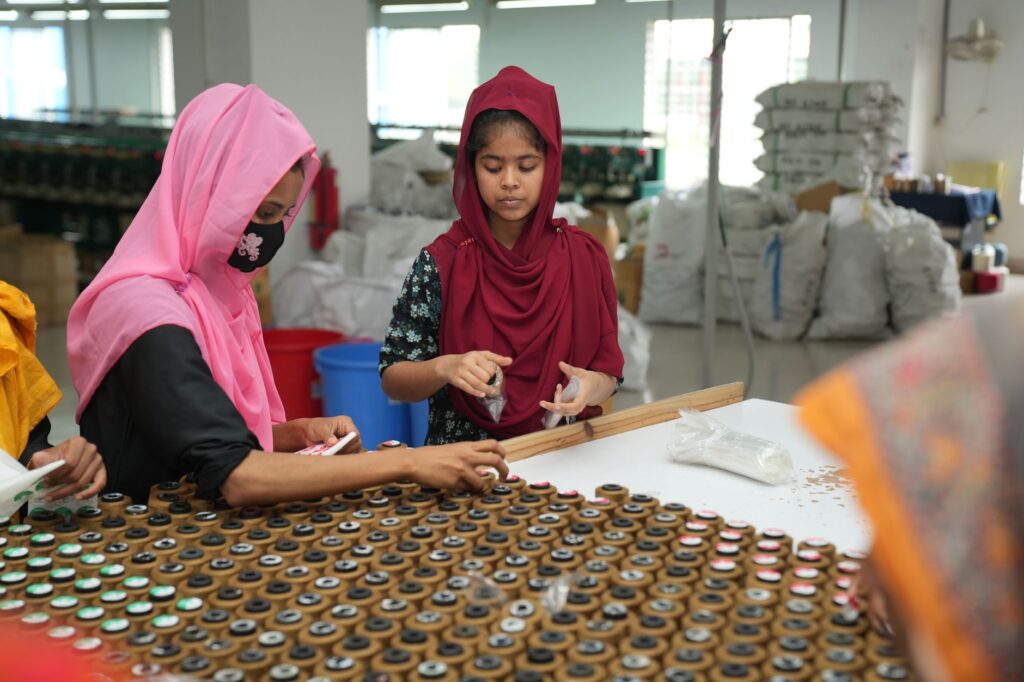
Garment manufacturing operations across Bangladesh have experienced widespread shutdowns following the outbreak of intense labor strikes. Employees within the critical apparel sector have chosen to walk off their jobs to voice severe discontent regarding their current financial compensation packages. The unrest has brought significant portions of the nation export-driven textile industry to a sudden halt, affecting supply chains for international fashion brands.
Demands for Higher Compensation
The core grievance driving the current industrial action centers on remuneration levels that workers argue fail to cover basic living expenses. Labor representatives and employees are actively demanding a revised monthly minimum wage of 30000 taka, which translates to approximately 182 British pounds. Protesters state that soaring inflation and the rising cost of basic necessities have made their existing earnings completely unsustainable for supporting their families.
Impact on the Global Supply Chain
Bangladesh stands as one of the largest garment exporters in the world, supplying apparel to numerous global retail giants. The sudden closure of these production facilities threatens to cause severe delivery delays for upcoming retail seasons. Brand executives and factory owners are under mounting pressure to resolve the standoff quickly, as prolonged shutdowns could force international buyers to seek alternative manufacturing hubs.
Outlook for Negotiations
Industry leaders and government officials are currently facing intense scrutiny to negotiate a viable resolution with the workforce. While factory owners express concerns over operational viability and profit margins, employees remain steadfast in their demand for the 30000 taka monthly threshold. Finding a middle ground remains essential to restoring stability within the vital economic sector.