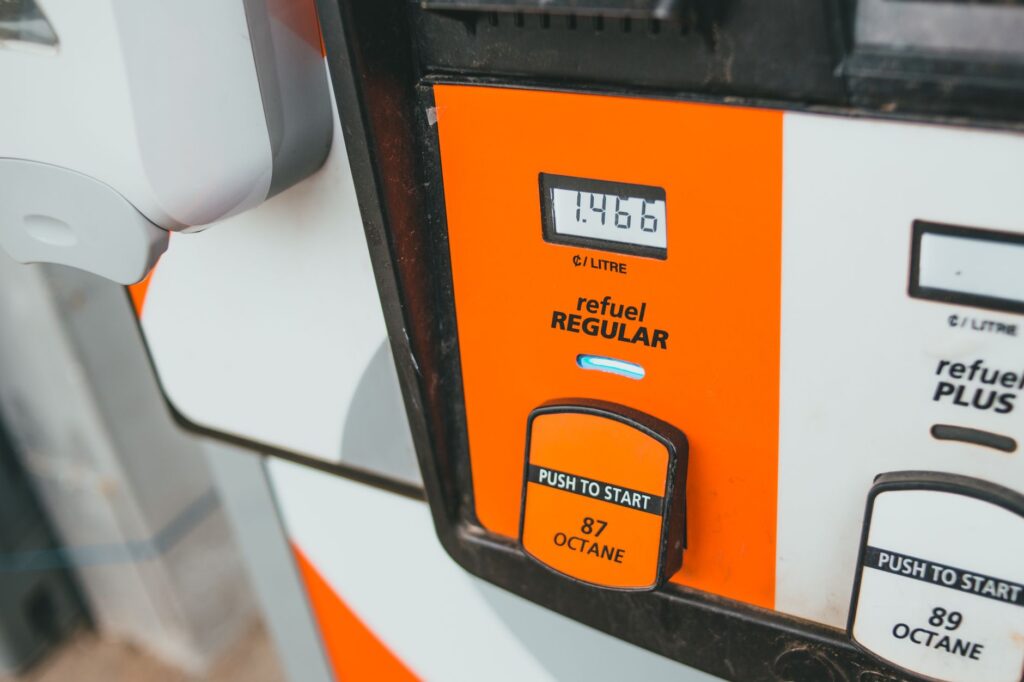

American motorists are facing renewed financial pressure this week as the national average gas price surged back to $4.00 per gallon at service stations across the United States. This sharp increase follows the rapid escalation of geopolitical tensions between the U.S. and Iran, which has effectively dismantled a fragile maritime agreement intended to secure oil transit routes.
A Short-Lived Reprieve at the Pump
Just one month ago, drivers enjoyed a brief period of relief after Washington and Tehran signed a highly anticipated diplomatic deal. The agreement was specifically designed to reopen and stabilize the Strait of Hormuz, a narrow waterway between the Persian Gulf and the Gulf of Oman that serves as the world’s most critical oil transit choke point.
Following that diplomatic breakthrough, global crude prices retreated, allowing domestic retail gasoline prices to fall steadily. The temporary calm allowed energy markets to breathe, but the underlying political instability remained unresolved, setting the stage for the current rebound.
The sudden collapse of the deal came after a series of maritime incidents and renewed economic sanctions. As diplomatic communications broke down, energy traders quickly pivoted back to a defensive posture, driving up the risk premium on oil futures.
Geopolitical Friction Ignites Oil Markets
The primary driver behind the sudden price hike is the heightened risk of supply disruptions in the Middle East. Approximately 20 percent of the world’s liquid petroleum consumption passes through the Strait of Hormuz daily, making any threat to the region a direct threat to global energy security.
According to maritime tracking data, international shipping firms have already begun rerouting vessels or paying significantly higher insurance premiums to traverse the Gulf. These added operational costs are being passed directly down the supply chain, ultimately affecting consumers at local gas pumps.
The domestic impact is already visible across the country. According to data from AAA, the national average for a gallon of regular unleaded gasoline jumped by fifteen cents over the course of just six days, erasing all the progress made during the late summer decline.
Market Analysts Warn of Prolonged Volatility
Energy experts warn that the market remains highly reactive to political rhetoric. “The market is currently pricing in a high probability of prolonged friction,” said Patrick De Haan, head of petroleum analysis at GasBuddy. “Until there is a verifiable guarantee of safe passage for tankers, we should expect sustained upward pressure on crude.”
The price surge is also complicated by domestic refining dynamics. Several Gulf Coast refineries have recently scheduled seasonal maintenance, temporarily reducing the volume of crude oil that can be processed into gasoline, diesel, and jet fuel.
Data from the U.S. Energy Information Administration (EIA) confirms that national gasoline inventories have dipped to their lowest seasonal levels in three years. This tight inventory environment means that even minor international disruptions can trigger disproportionate price hikes at home.
Economic Headwinds and the Road Ahead
The return to $4.00 gasoline presents a significant challenge to the broader U.S. economy, particularly regarding inflation control. Higher fuel prices act as an immediate tax on consumer spending, diverting household budgets away from retail, dining, and travel.
Furthermore, the transportation sector is already adjusting to these higher input costs. Logistics and shipping companies are expected to reintroduce fuel surcharges, which will eventually elevate the retail prices of consumer goods and groceries across the nation.
In the coming weeks, market observers will be watching whether the Biden administration utilizes further releases from the Strategic Petroleum Reserve to stabilize prices. Additionally, the upcoming OPEC+ ministerial meeting will be crucial, as member nations decide whether to adjust production levels to offset the geopolitical premium currently dominating the market.