
Background of the Shutdown
A 24-hour total shutdown across parts of Manipur has officially concluded after bringing normal daily routines to a standstill. The regional protest was organized to voice outrage and demand accountability following the tragic deaths of four Naga civilians. Communities across the region observed the strike to express solidarity with the grieving families and to press authorities for swift action.
Impact on Daily Life and Public Transport
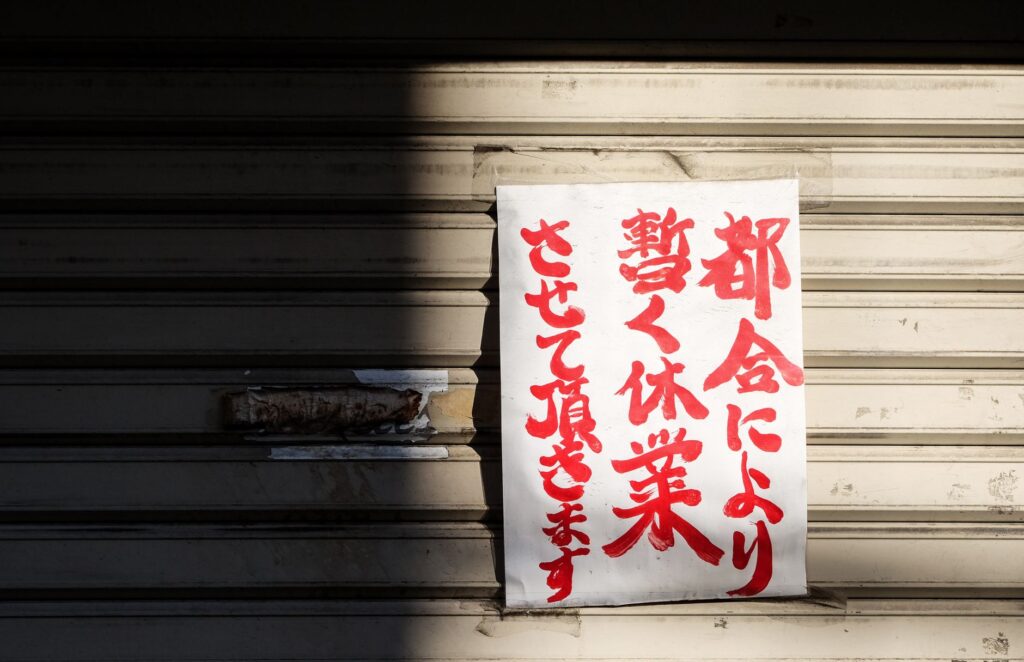
The protest measures caused widespread disruption throughout the affected areas. Public transportation services were suspended, keeping buses, taxis, and auto-rickshaws off the roads. Commercial establishments, local markets, and educational institutions kept their doors closed for the duration of the strike. Essential services experienced limited operations as residents largely stayed indoors to observe the movement.
Role of Civil Society Organizations
The Native Peoples Committee, Manipur, which functions as a joint civil body representing the native populations of the region, spearheaded the 24-hour closure. The organization announced the total shutdown to begin at midnight on Monday and conclude at midnight on Tuesday. Local leaders emphasized that the peaceful demonstration served as a strong message demanding justice and heightened security for vulnerable communities.
Community Response and Security Measures
Law enforcement and security personnel maintained a strict vigil across sensitive zones to prevent any untoward incidents during the protest window. Authorities deployed additional forces in key locations to ensure public safety while the shutdown was in effect. Community leaders urged participants to maintain discipline and peace throughout the duration of the demonstration.
Calls for Justice and Moving Forward
Following the conclusion of the 24-hour period, public life slowly began returning to its usual pace as shops reopened and traffic resumed. However, local representatives have made it clear that demands for a thorough investigation and appropriate legal action regarding the civilian casualties remain a top priority. Civil groups continue to monitor the situation closely as communities seek long-term safety and resolution.