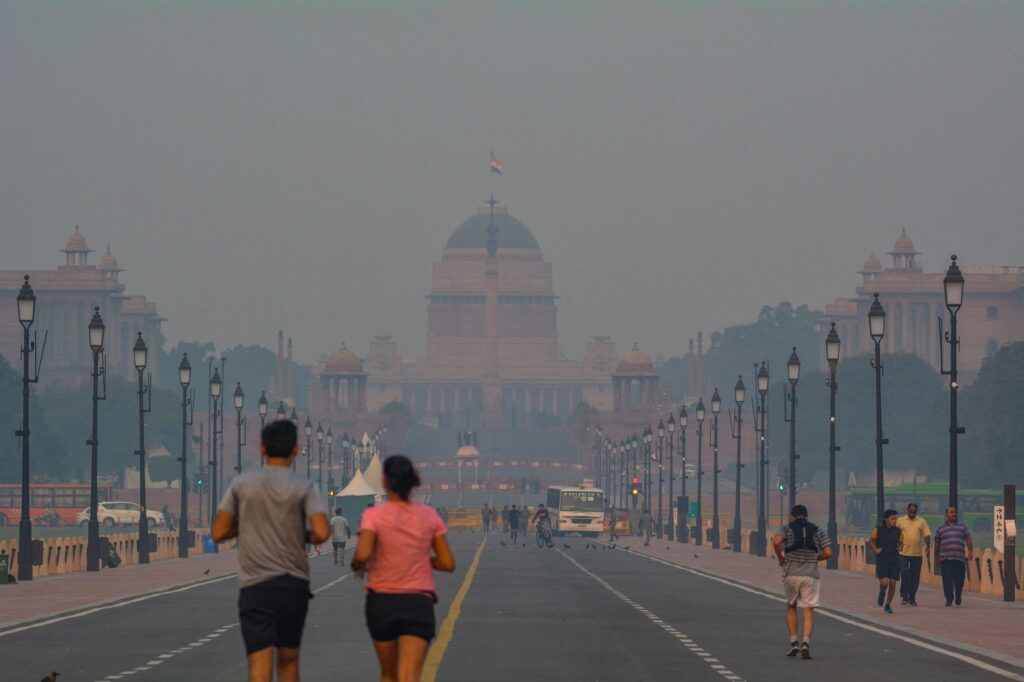

Understanding Air Quality Management In Delhi NCR
Air quality management in the National Capital Region involves a series of structured interventions designed to tackle severe pollution episodes. Regulatory bodies continuously monitor atmospheric conditions to implement graded measures depending on the severity of pollution. When air quality index values enter hazardous zones, emergency protocols are triggered to curb pollutant emissions from various sectors including construction and vehicular movement.
The Role Of The Commission For Air Quality Management
The central agency responsible for overseeing air purity in the region is the Commission for Air Quality Management. This statutory body evaluates meteorological data and pollution readings on a daily basis. Based on comprehensive analysis, the commission decides when to enforce or withdraw emergency protocols across the entire metropolitan area and its surrounding districts.
Recent Trends And Favorable Meteorological Shifts
Recent atmospheric observations indicated a notable enhancement in regional air purity. Favorable wind speeds and improved dispersion conditions helped clear accumulated pollutants from the lower atmosphere. As a result of these positive meteorological developments, overall pollution metrics registered a significant drop, bringing relief to millions of residents living across the capital and neighboring urban centers.
Details Of The Air Quality Index Improvement
Official monitoring stations recorded a marked decrease in particulate matter concentrations. The overall air quality index improved to a reading of 204. While this level still falls within the moderate to poor category, it represents a substantial recovery from previous severe phases that necessitated stringent emergency curbs and disrupted daily urban life.
Implications Of Revoking Stage Three Measures
Following the downward trend in pollution indices, authorities decided to withdraw the strict prohibitions enforced under the third stage of the emergency response framework. This decision provides relief to construction activities, industrial operations, and transportation sectors that faced limitations while the emergency protocols remained active across the capital region.
Ongoing Monitoring And Future Preparedness
Although the recent rollback offers immediate respite, environmental agencies continue to maintain rigorous surveillance over regional atmospheric conditions. Experts emphasize that sustained efforts are essential to prevent sudden spikes in pollution levels. Authorities remain vigilant to ensure swift responses should conditions deteriorate again in the coming weeks.