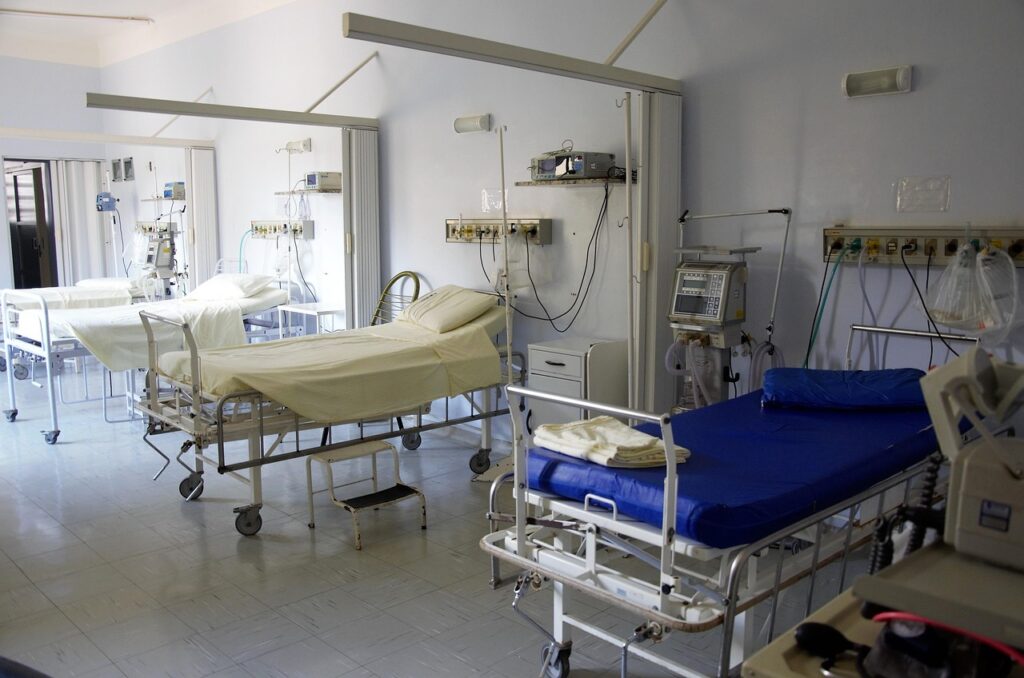

Ladakhi climate activist Sonam Wangchuk continues to refuse intravenous fluids at Safdarjung Hospital in New Delhi, entering a critical phase of his indefinite hunger strike to demand constitutional safeguards for the ecologically fragile Himalayan region of Ladakh. Despite worsening medical parameters, including persistent low blood sugar and dangerously low potassium levels, Wangchuk remains resolute in his protest, which began following a 1,000-kilometer march from Leh to the national capital. A multidisciplinary team of medical experts from Vardhman Mahavir Medical College, Safdarjung Hospital, and the All India Institute of Medical Sciences is closely monitoring his deteriorating condition.
Context of the Protest: The Fight for Ladakh’s Autonomy
The current standoff stems from a month-long march led by Wangchuk and over 150 volunteers from Ladakh to New Delhi. The protesters are demanding the implementation of the Sixth Schedule of the Indian Constitution, which grants autonomy to tribal areas, along with statehood for Ladakh and separate parliamentary seats for Leh and Kargil districts. Following the bifurcation of Jammu and Kashmir in 2019, Ladakh became a Union Territory without a legislature, leaving local populations feeling politically disenfranchised and vulnerable to unchecked industrial exploitation.
For over four years, representatives from the region have engaged in sporadic talks with the federal government, but these discussions have failed to yield concrete legislative assurances. The protesters argue that without Sixth Schedule protections, Ladakh’s fragile glaciers, indigenous cultures, and nomadic grazing lands will be overrun by corporate mining and tourism interests.
Escalating Medical Concerns and Refusal of Treatment
According to the latest medical bulletin issued by Safdarjung Hospital, Wangchuk is experiencing mild to moderate dehydration, persistent laboratory abnormalities, and severe physiological stress. Doctors warn that prolonged fasting combined with a refusal of IV fluids poses immediate risks of organ damage, cardiac arrhythmia due to potassium deficiency, and cognitive impairment from hypoglycemia. The medical team emphasized that continuous clinical monitoring is essential to prevent sudden, life-threatening complications.
Despite these warnings, Wangchuk has declined medical interventions that would break his fast, insisting that his physical suffering is a necessary testament to the neglect faced by the people of Ladakh. Supporters gathered outside the hospital have expressed growing concern for his life, while maintaining their solidarity with his non-violent methodology, which draws inspiration from Mahatma Gandhi.
Political Deadlock and Public Outcry
The hunger strike has triggered widespread solidarity protests across Ladakh, shutting down markets and mobilizing thousands in Leh and Kargil. Despite the escalating health crisis, formal negotiations between the central government and the Ladakh Apex Body remain stalled. Civil society groups accuse the administration of ignoring the democratic aspirations of the border region, while government officials maintain that developmental projects in the region are designed to benefit local communities.
The tension escalated further when Wangchuk and his supporters were initially detained by police at the Delhi border under prohibitory orders. Although they were later released, the heavy-handed security response has galvanized public support, drawing condemnation from opposition leaders and human rights organizations across India.
Expert Perspectives on Health and Policy
Medical professionals stress that hypokalemia—low potassium—is a silent threat that can trigger sudden cardiac arrest. When a patient refuses IV intervention during prolonged fasting, the body depletes its glycogen stores and begins breaking down muscle tissue, leading to severe electrolyte imbalances. This state of starvation rapidly accelerates physical decline, making immediate medical intervention critical.
Politically, analysts argue that the government’s handling of Wangchuk’s protest could have deep geopolitical ramifications, given Ladakh’s strategic position bordering China and Pakistan. Local instability in a sensitive border region is a scenario the federal government typically seeks to avoid, yet the reluctance to grant statehood reflects broader concerns over regional security and administrative control.
Future Implications and What to Watch
The immediate focus remains on the response of the Ministry of Home Affairs to Wangchuk’s demands. Observers are watching closely to see if the government will initiate high-level talks to resolve the impasse before the activist’s health deteriorates further. Additionally, the situation could catalyze broader environmental and regional autonomy movements across India’s Himalayan belt, potentially forcing a reassessment of how federal territories are governed and ecologically protected.