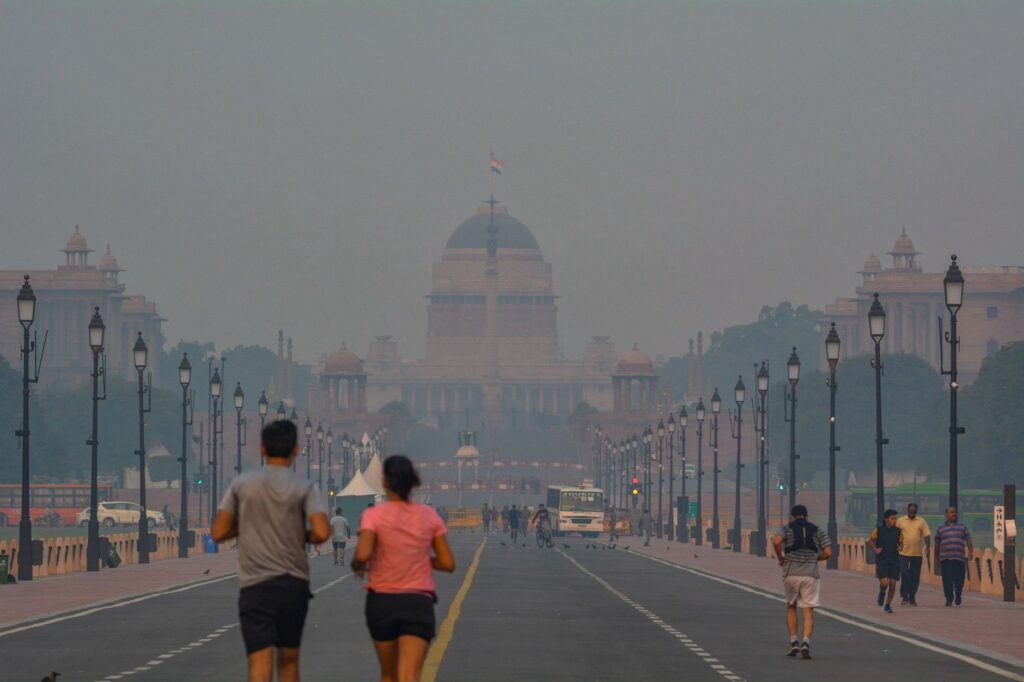

Understanding Air Quality Management in the Capital Region
The National Capital Region has experienced fluctuating environmental conditions over recent months. Authorities utilize specific phased response plans to combat severe pollution spikes during critical periods of the year. These protocols dictate strict operational freezes on various industrial, construction, and transport activities to safeguard public health.
The Timeline of GRAP III Enforcement
Earlier in the season, deteriorating atmospheric conditions forced regulatory boards to step up intervention measures. Specifically, the third stage of the Graded Response Action Plan was officially implemented on November 7. This decision came into effect just one day prior to major regional celebrations, responding directly to a sharp decline in overall air quality metrics across the entire metropolitan area and its surrounding districts.
Factors Contributing to the Recent Decision
Continuous monitoring by environmental agencies plays a vital role in determining when emergency protocols can be safely scaled back. Meteorological shifts, wind patterns, and collaborative civic efforts often contribute to the dispersion of accumulated particulate matter. As these vital indicators registered a sustained positive trend, decision-makers reviewed the necessity of maintaining the highest tiers of restriction.
Implications of Lifting the Restrictions
With the formal revocation of these stringent measures, normal business operations and construction projects within the permitted guidelines can resume their schedules. However, officials continue to urge vigilance and adherence to baseline environmental safeguards to prevent any rapid regression in atmospheric standards. Long-term solutions remain a priority for regional policymakers aiming to secure healthier living conditions for all residents.