
Introduction to the Tinsukia Protest
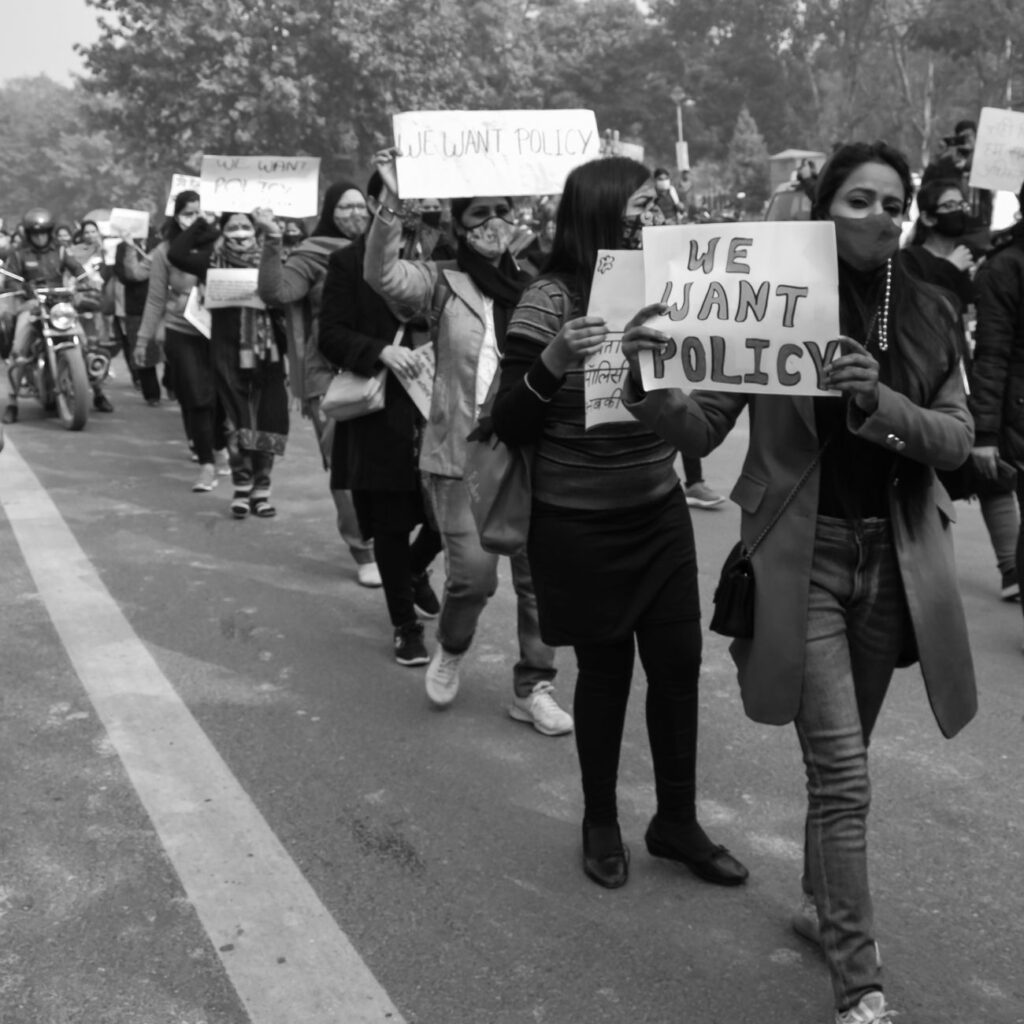
Recent demonstrations in the Tinsukia district of Assam have brought longstanding socioeconomic grievances of the local tea garden communities back into the spotlight. Hundreds of individuals, comprising a significant portion of women, gathered to voice their pressing demands regarding basic livelihood securities and recognition. The mobilization highlights the ongoing friction between marginalized labor groups and administrative authorities regarding unresolved promises.
Key Demands Raised by the Association
The central focus of the recent agitation centered around three core issues that have persisted for generations. Participants strongly advocated for formal land pattas, which would grant legal ownership and security to families residing on garden lands for decades. Additionally, the crowd reiterated the persistent demand for Scheduled Tribe status, a classification that representatives argue is essential for the community’s holistic development and social upliftment. Finally, the protestors pressed for a substantial increase in daily wage rates to combat rising living costs and ensure financial stability.
Details of the Demonstration
Organized under the leadership of the Tinsukia district committee of the Assam Tea Tribes Students Association, the public demonstration took the form of a focused three-hour sit-in. The gathering took place directly in front of the Deputy Commissioner office, serving as a direct appeal to regional governance structures. The presence of a large contingent of women underscored the broad community backing for these economic and social reforms.
Broader Implications for the Region
Such coordinated actions reflect deep-seated frustrations within the tea tribe demographics of Assam. As labor groups continue to organize and demand structural changes, local administrations face mounting pressure to address these equity concerns. The ongoing advocacy by youth and worker organizations signals that issues of fair compensation, tribal recognition, and land tenure will remain central to regional socio-political discourse.