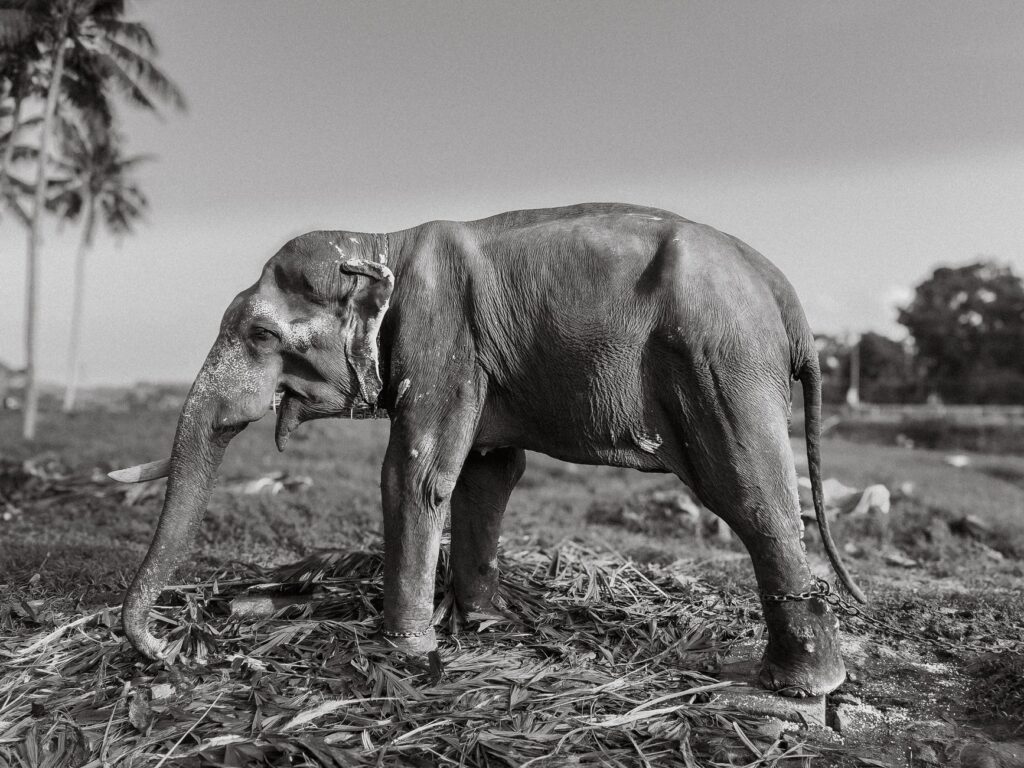

Introduction to the Wildlife Operation
Wildlife authorities in the Indian state of Chhattisgarh successfully tranquilised a wild tusker that has been linked to sixteen human fatalities. The high-stakes operation required the coordinated efforts of approximately two hundred forest department personnel who were deployed specifically to monitor and track the large animal across difficult terrain.
Tracking and Locating the Tusker
Locating the animal demanded immense logistical planning and endurance from the ground teams. Forest officers tracked the elephant through dense forests and rural fringes, ensuring public safety while attempting to secure the animal without causing unnecessary harm. The sheer scale of the deployment underscores the severity of the human-wildlife conflict situation in the region.
Deployment of Satellite Radio Technology
Once the tusker was safely tranquilised, specialized veterinarians and wildlife experts fitted the animal with a satellite radio collar. This tracking technology will allow forest officials to monitor the elephant’s movements in real time. By keeping a close watch on its location, authorities aim to prevent future encounters with local villagers and mitigate potential tragedies.
Addressing Human-Wildlife Conflict
Incidents involving large mammals and human settlements present ongoing challenges for conservationists and forest management teams. The successful immobilization and tagging of this specific animal represent a critical step in balancing local safety with wildlife protection efforts. Authorities continue to urge residents in forested regions to remain vigilant as monitoring operations persist.