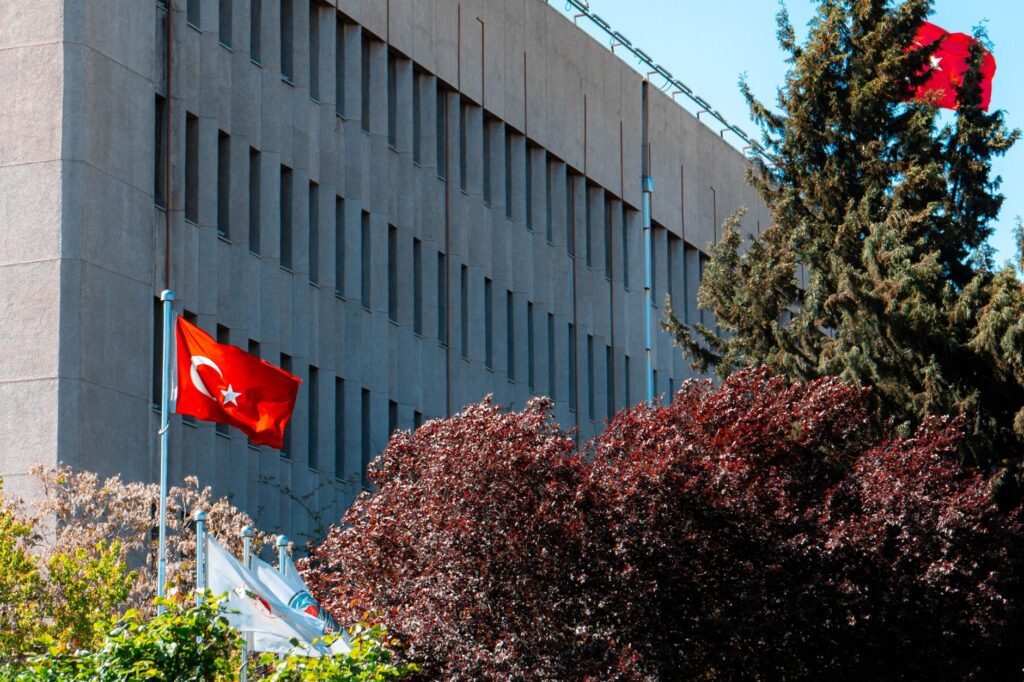

More than three weeks after an emergency evacuation, diplomats and staff at the Permanent Mission of India to the United Nations in New York City remain displaced from their headquarters, forcing the delegation to operate from temporary offices and remote locations during a critical period of multilateral negotiations.
The displacement began in late October when an unexpected infrastructure failure at the mission’s landmark building on East 43rd Street in Midtown Manhattan triggered a full evacuation. Since then, the diplomatic corps has scrambled to maintain its daily operations, navigating severe logistical bottlenecks and security challenges as they represent the world’s most populous nation on the global stage.
Infrastructure Failure Triggers Sudden Evacuation
The evacuation occurred following a major mechanical malfunction within the building’s primary utility systems, which caused localized flooding and compromised the electrical grid of the 27-story tower. Designed by the legendary Indian architect Charles Correa and opened in 1993, the red-granite building serves as both the diplomatic headquarters and residential quarters for several senior diplomats.
Local municipal inspectors and engineering teams immediately cordoned off the affected areas to assess structural and electrical safety. While initial reports suggested a swift resolution, the complexity of repairing specialized high-voltage systems in an older high-rise has dragged the timeline out far longer than initially anticipated.
Because the building houses sensitive communication equipment and secure servers, the loss of power and subsequent safety shutdowns effectively paralyzed the mission’s physical infrastructure. Consequently, over 50 diplomats and administrative staff were forced to exit the premises with little warning, carrying only essential mobile devices and documents.
Logistical Hurdles and Security Protocols
Operating a major diplomatic mission without a centralized headquarters has presented unprecedented administrative hurdles. Currently, diplomats are splitting their time between remote work, temporary desks at the Consulate General of India on East 64th Street, and rented briefing rooms near the UN Headquarters.
The primary concern for the delegation is maintaining secure communications with New Delhi. Diplomatic missions rely on highly encrypted networks and secure rooms, known as SCIFs (Sensitive Compartmented Information Facilities), to transmit classified cables and hold sensitive briefings.
Former diplomatic officials note that while basic correspondence can be handled via secure mobile networks, complex bilateral negotiations and strategic planning require physical security measures that temporary spaces simply cannot provide. This has forced senior envoys to prioritize urgent matters, delaying routine bilateral engagements and administrative updates.
Impact on India’s UN Agenda
The prolonged displacement coincides with an active session of the United Nations General Assembly, where key committees are debating resolutions on international security, climate finance, and peacekeeping. India, which actively campaigns for a permanent seat on the UN Security Council, has had to maintain its high-profile advocacy under diminished operational capacity.
Despite the physical disruption, Indian envoys have maintained a presence in key committee meetings, often coordinating strategy in the corridors of the UN General Assembly building itself. However, delegates speaking on the condition of anonymity admit that the lack of a central hub has slowed down their response times to fast-moving diplomatic developments.
“Diplomacy is an industry built on physical presence and rapid coordination,” said a veteran UN observer. “When your team is scattered across Manhattan, the informal consultations that happen in the mission’s offices are lost, which can put a delegation at a temporary disadvantage during intense negotiations.”
Broader Implications for Diplomatic Properties
The incident highlights a growing challenge facing foreign missions in New York City: aging real estate portfolios. Many diplomatic buildings in Manhattan were constructed or acquired decades ago and require continuous, costly upgrades to meet modern safety and technological standards.
Because diplomatic properties enjoy sovereign immunity, local municipal authorities have limited jurisdiction to enforce building codes, often relying on voluntary compliance from foreign governments. However, when major utility failures occur, missions must still rely on local utility companies and certified contractors to restore services, navigating a complex web of international law and local regulations.
Financial experts estimate that the cost of emergency repairs, temporary office rentals, and displaced staff housing could run into hundreds of thousands of dollars, a bill that will be footed by the Indian Ministry of External Affairs.
What to Watch Next
Moving forward, observers will be watching how quickly the Indian government can complete the necessary safety audits and secure the required permits to reoccupy the building. The Ministry of External Affairs is expected to release an official update on the restoration timeline as engineering teams complete their assessments of the electrical grid.
Additionally, this incident may prompt a broader review of disaster recovery and business continuity plans for India’s diplomatic missions worldwide. As geopolitical tensions demand constant vigilance, the ability to rapidly transition to secure, secondary operating locations will likely become a priority for New Delhi’s foreign policy establishment.