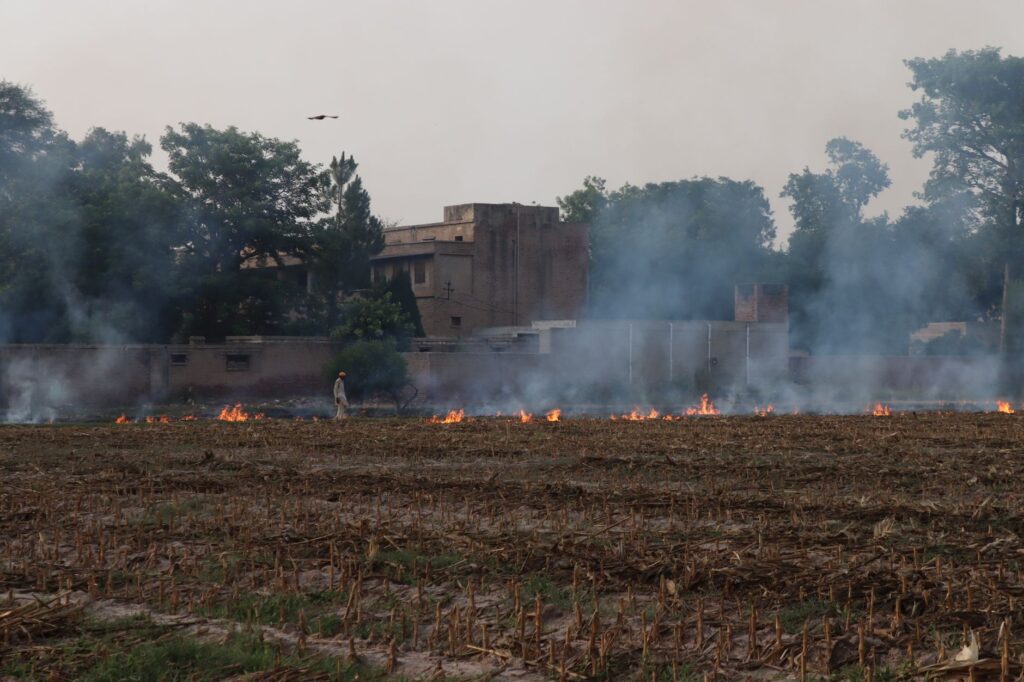

The Hazards of Agricultural Residue Burning
Agricultural burning remains a critical environmental and public safety concern across northern regions. The practice of clearing fields by setting fire to leftover crop stalks introduces massive amounts of smoke into the atmosphere. During specific weather conditions, this smoke blankets surrounding areas, drastically reducing atmospheric clarity for individuals traveling on regional roadways.
Tragic Incident in Punjab
A severe traffic accident occurred in the region of Doraha within Punjab, directly attributed to heavy smoke obstructing the highway. Thick haze from nearby field fires descended onto the roadway, severely limiting visibility for motorists. Drivers navigating the route found themselves unable to see oncoming traffic or stationary obstacles ahead, creating an immediate and hazardous environment for everyone on the road.
Casualties and Injuries Reported
The sudden drop in visibility led to a major collision involving vehicles moving along the affected stretch. The impact proved fatal for one woman, who lost her life at the scene. Additionally, three other individuals sustained varying degrees of injuries and required urgent medical attention. Emergency responders arrived promptly to assist the victims and clear the obstructed thoroughfare.
Broader Implications for Road Safety
Incidents of this nature underscore the severe dangers that smoke from stubble fires poses to daily transit. Transport authorities consistently urge caution during periods when agricultural burning peaks, as unexpected haze can transform routine commutes into life-threatening situations. Preventing similar tragedies requires ongoing awareness and stricter adherence to regulations concerning residue management.