
Background on Railway Coupler Exports
International trade dynamics have shifted as authorities in the United States address international supply chain questions. Specifically, regulatory bodies have turned their attention toward freight rail components originating from overseas markets. These trade measures directly impact major industrial manufacturers involved in the production of heavy railway equipment.
Understanding Freight Rail Coupler Components
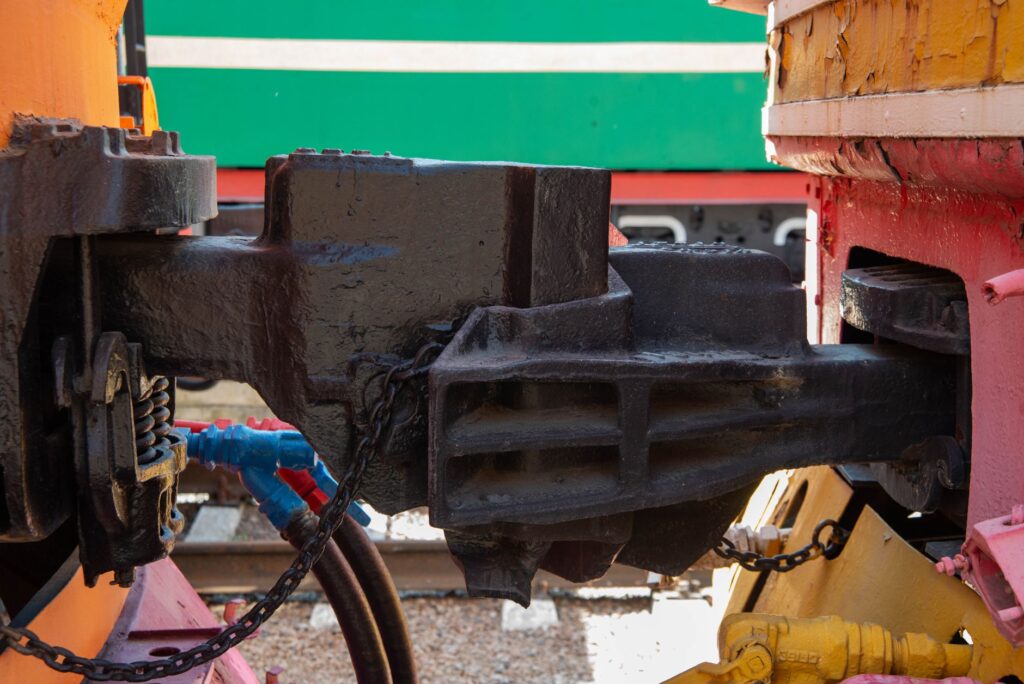
Freight rail couplers are critical mechanical devices utilized to connect individual railway wagons securely together within a train. These heavy-duty assemblies comprise several specialized components, which prominently include sturdy coupler bodies and articulating knuckles. Because these parts endure immense mechanical stress during transit, their manufacturing standards are subject to rigorous evaluation by international trade partners.
Key Industrial Players in Focus
The recent regulatory scrutiny places prominent Indian heavy engineering enterprises directly into the spotlight. Among the organizations experiencing the effects of these trade adjustments are Texmaco Rail and Engineering Limited alongside Bhilai Engineering Corporation. Both entities maintain significant roles in manufacturing and exporting specialized railway components to international destinations, including the lucrative North American market.
Implications of the Subsidy Probe Findings
The implementation of these new duties follows a comprehensive investigative procedure concerning alleged government subsidies provided to domestic manufacturing sectors. Trade authorities evaluated whether financial assistance offered to local producers granted an unfair advantage in the global marketplace. As a direct outcome of these findings, protective tariffs are now applied to incoming shipments to level the playing field for domestic industries within the importing nation.
Future Outlook for Manufacturers
Industrial exporters navigating these shifting trade barriers must adapt their strategies to maintain global competitiveness. Companies affected by the recent policy changes are currently reviewing their operational frameworks and export models. Stakeholders across the heavy engineering sector continue to monitor how these international trade adjustments will influence long-term supply agreements and cross-border commercial partnerships.