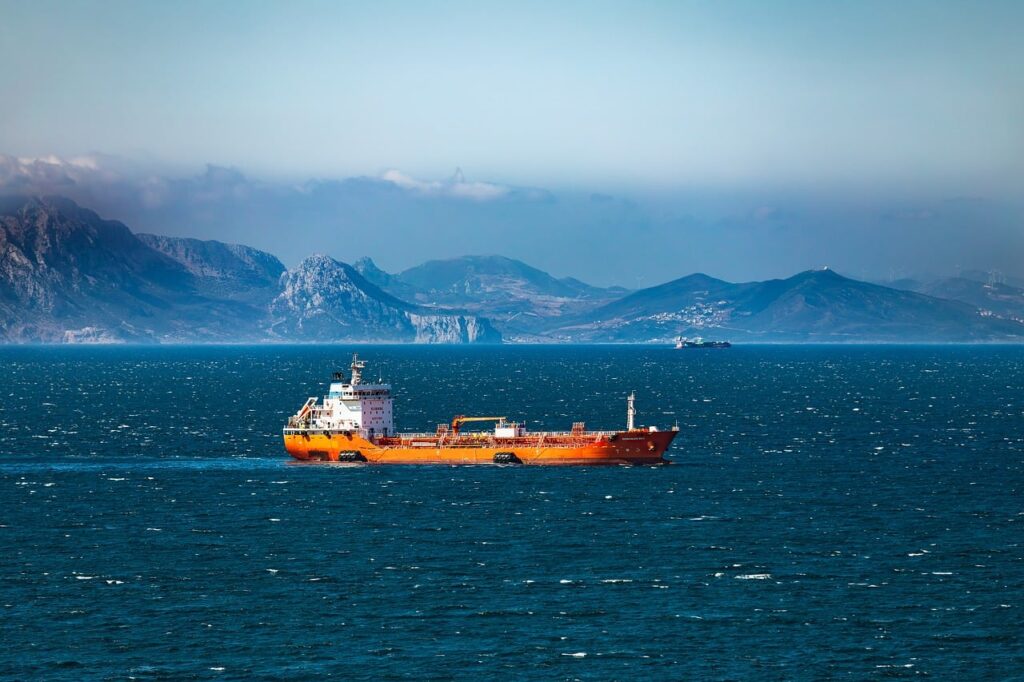

U.S. Energy Secretary Chris Wright confirmed on Wednesday that approximately 20 million barrels of crude oil successfully transited through the Strait of Hormuz within the last 24-hour period. This significant volume of energy exports highlights the continued operational stability of one of the world’s most vital maritime chokepoints despite escalating geopolitical volatility in the Middle East.
Strategic Significance of the Strait
The Strait of Hormuz serves as the world’s most important oil transit chokepoint, with an estimated 21 million barrels of petroleum and petroleum liquids flowing through it daily, according to the U.S. Energy Information Administration (EIA). The narrow waterway, located between Oman and Iran, accounts for roughly one-fifth of global oil consumption.
For decades, the strait has been a focal point for international trade security due to its strategic vulnerability. Any significant disruption in this corridor historically leads to rapid price volatility in global energy markets, making the daily flow of tankers a primary indicator of regional stability.
Operational Resilience Amid Geopolitical Pressure
The movement of 20 million barrels in a single day suggests that major oil producers in the Persian Gulf have maintained their export schedules despite ongoing regional security concerns. Energy analysts note that while the threat of potential blockades or maritime interference remains a constant variable, the actual physical movement of cargo has largely persisted without major interruption.
Industry data from tracking firms indicates that tanker traffic has remained consistent with long-term averages throughout the current quarter. While insurance premiums for vessels operating in the region have seen moderate fluctuations, the economic imperative to move crude to Asian and European markets continues to drive high-volume throughput.
Expert Perspectives on Market Stability
Energy market experts emphasize that the resilience of these supply chains is bolstered by the presence of international naval coalitions, which provide security escorts for commercial vessels. However, analysts warn that the reliance on this single waterway remains a systemic risk for the global economy.
“The sheer volume of oil moving through the Strait is a testament to the global necessity of these routes,” said a senior energy analyst at a leading commodities firm. “Markets are currently pricing in a risk premium that accounts for the possibility of future delays, but the physical reality on the water remains business as usual for the time being.”
Implications for the Global Energy Market
For consumers and industries worldwide, the successful transit of these 20 million barrels serves as a stabilizing signal for crude oil prices. A sudden stoppage would likely trigger an immediate supply shock, potentially driving fuel prices upward across all major economies.
Moving forward, market observers will continue to monitor the daily throughput statistics provided by the U.S. Department of Energy and private maritime intelligence services. The key indicator to watch in the coming weeks will be any change in shipping insurance rates or shifts in tanker routing, which would signal a departure from current stability and a heightened perception of risk among maritime insurers and operators.