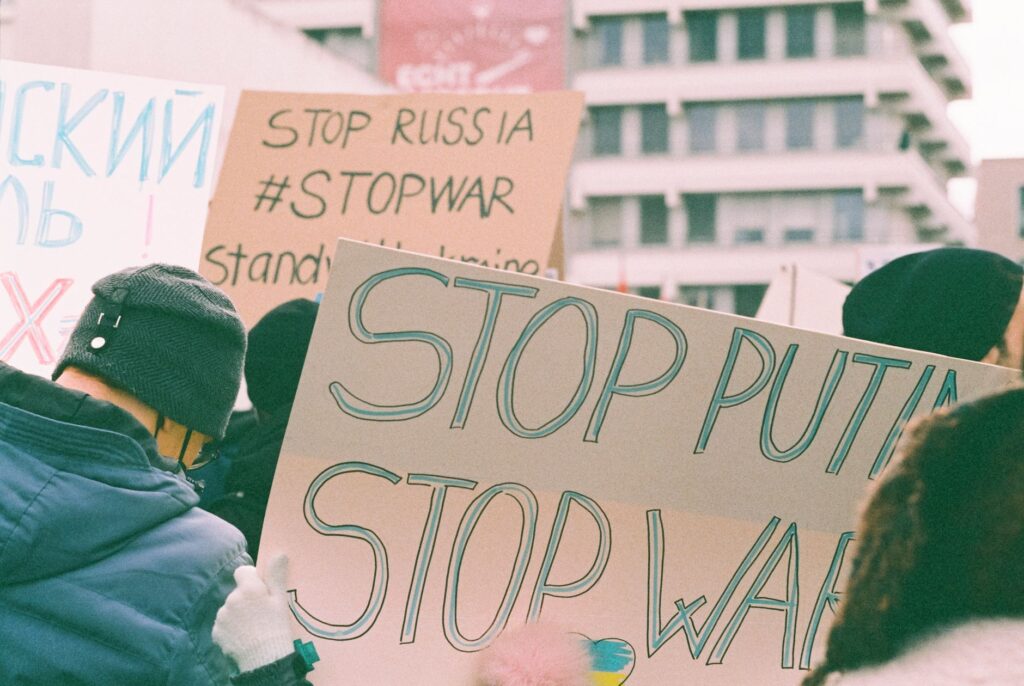

The geopolitical landscape has shifted dramatically following a series of major developments concerning international diplomacy and the ongoing conflict in Eastern Europe. Ukrainian leadership has voiced strong reactions to recent statements made by prominent American political figures regarding the Russian government. The diplomatic friction highlights the complex challenges facing global leaders as they navigate the prolonged state of hostilities.
Background of Recent Diplomatic Statements
The controversy began when former United States President Donald Trump publicly referred to Russian leader Vladimir Putin in conversational terms, describing him as a friend during a public address. This characterization quickly drew international attention and immediate scrutiny from foreign policy analysts and allied governments alike. The choice of words raised questions about future international relations and potential policy shifts in Washington regarding the region.
Escalating Military Operations
The timing of these remarks coincided directly with a significant escalation in military activity on the ground. According to local reports, Russian forces launched some of the most extensive and destructive aerial attacks seen throughout the entire year against multiple Ukrainian cities and critical infrastructure networks. These coordinated strikes caused widespread power outages, structural damage, and emergency responses across numerous regions.
The Ukrainian Response
Faced with both the intensified bombardment and the controversial diplomatic statements, Ukrainian President Volodymyr Zelensky offered a sharp and direct reaction. Emphasizing the severe human cost of the ongoing hostilities, the Ukrainian leader pointedly pushed back against friendly characterizations of the Kremlin leadership. By highlighting the aggressive military actions currently targeting civilians and vital facilities, the official response underscored the stark contrast between diplomatic rhetoric and the grim reality on the ground.
International Implications
Foreign policy experts note that such divergent views among major international stakeholders complicate efforts to achieve a lasting peace. As allies and adversaries alike evaluate the evolving rhetoric, the primary focus remains on the humanitarian crisis and the urgent need for defensive capabilities. The tension between political commentary and battlefield realities continues to shape global diplomatic strategy as the conflict extends further into its current phase.