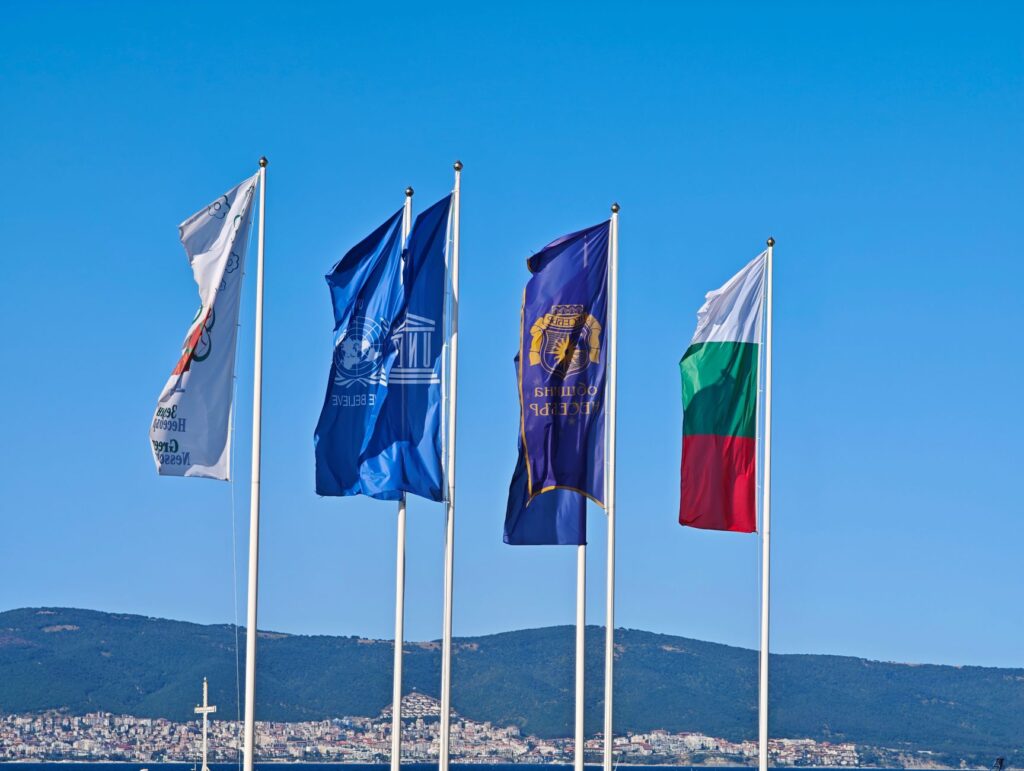

Diplomatic engagement between India and Bulgaria has reached a new milestone as senior officials from both nations recently convened for a comprehensive review of bilateral relations. The discussions centered on deepening cooperation across multiple strategic sectors, including trade, infrastructure, and regional security. Both governments emphasized the importance of fostering closer economic partnerships to navigate the complexities of the modern geopolitical landscape. Officials highlighted the shared commitment to upholding democratic values and multilateralism while exploring untapped potential in commercial exchanges. The dialogue also provided an opportunity for both sides to assess the current state of global supply chains and identify areas where collaborative frameworks could yield mutual benefits. Leaders from both countries expressed satisfaction with the steady growth of diplomatic interactions and outlined a roadmap for future engagements. Furthermore, the talks underscored the necessity of maintaining regular high-level contacts to address emerging challenges and capitalize on new economic opportunities. By aligning their strategic objectives, India and Bulgaria aim to build a resilient partnership capable of withstanding external economic shocks and contributing to regional stability.
Advancing Economic Integration through the IMEC
A major focal point of the recent diplomatic discussions was the India-Middle East-Europe Economic Corridor, commonly known as the IMEC. This ambitious infrastructure and trade initiative is designed to seamlessly connect economic hubs across South Asia, the Middle East, and Europe, thereby significantly reducing transit times and logistical costs. Bulgarian officials evaluated how their nation could serve as a vital gateway for this expansive trade route into Eastern Europe. The corridor is envisioned as a transformative project that will enhance connectivity, stimulate manufacturing, and generate employment opportunities across all participating regions. Indian representatives detailed the strategic advantages of the proposed network, emphasizing its potential to diversify supply routes and promote sustainable economic growth. As plans for the corridor progress, both nations agreed to coordinate closely with international partners to ensure timely implementation and regulatory harmonization. The integration of regional transport networks with the broader IMEC framework is expected to facilitate smoother movement of goods and services, ultimately fostering deeper economic interdependence between India and European markets.
Addressing Regional Security and the Black Sea Situation
Beyond economic and infrastructural cooperation, the bilateral talks addressed critical regional security issues, with particular emphasis on the unfolding situation in the Black Sea. The stability of the Black Sea region is of paramount importance to European security and international trade, especially concerning maritime transit and food security. Both diplomatic delegations shared their assessments regarding the geopolitical tensions affecting the area and discussed the imperative of maintaining freedom of navigation in accordance with international law. The dialogue reflected a mutual understanding of the risks posed by ongoing regional conflicts to global supply chains and energy markets. Bulgarian authorities provided insights into the local security dynamics, while the Indian side reiterated its consistent stance on the peaceful resolution of disputes through dialogue and diplomacy. The two nations acknowledged that collaborative approaches are essential for mitigating the adverse impacts of regional instability on international commerce. By exchanging perspectives on these pressing security concerns, India and Bulgaria reinforced their shared dedication to global peace, stability, and the rule of law in maritime domains.
Future Prospects and Collaborative Roadmap
Looking ahead, India and Bulgaria have outlined a clear path to expand their collaborative efforts in science, technology, culture, and education. The recent discussions laid a solid foundation for future agreements aimed at boosting people-to-people contacts and academic exchanges. Both governments recognized the value of leveraging technological innovations to drive economic development and address shared challenges such as climate change and digital transformation. Business leaders and industry stakeholders from both countries are expected to play a crucial role in translating these high-level political commitments into tangible commercial outcomes. Regular monitoring mechanisms will be established to evaluate the progress of ongoing initiatives and ensure that both nations remain on track to achieve their strategic goals. As India and Bulgaria continue to strengthen their partnership, the outcomes of these diplomatic talks are poised to deliver long-term benefits for their respective economies and contribute positively to broader international stability.