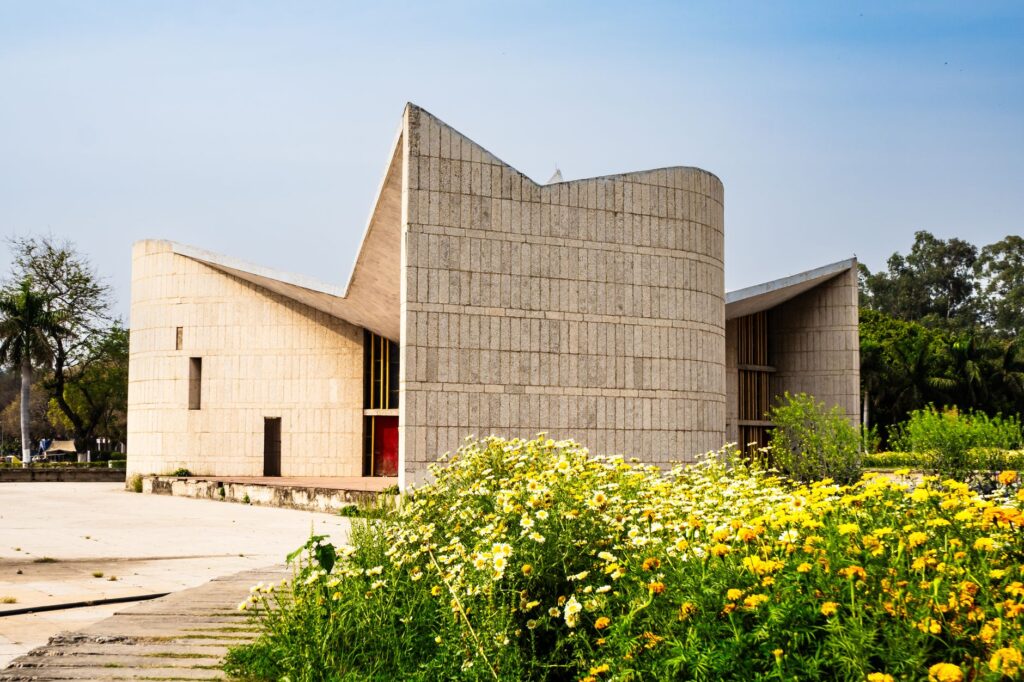

Introduction to Chandigarh Urban Design
Chandigarh stands out as a remarkable achievement in modern architecture and civil engineering. Established during the 1950s, this metropolis holds the distinction of being the first planned city in the nation. It was conceived during a period of transition and optimism, aiming to project a vision of a progressive future.
The visionary behind this urban marvel was the renowned architect Le Corbusier. His blueprint for the settlement broke away from the organic, winding growth patterns seen in many traditional settlements. Instead, he introduced a methodical layout that prioritized order, efficiency, and cleanliness.
A Unique Layout Modeled After the Human Body
What sets this northern urban center apart is its distinctive structural concept. The master plan was deliberately crafted to mirror the anatomy of a human body. Every zone within the grid represents a specific physiological function, creating a harmonious relationship between the infrastructure and its inhabitants.
At the apex of this design is the Capitol Complex, functioning metaphorically as the head. It houses the primary administrative buildings and seats of government authority. Meanwhile, Sector 17 serves as the vibrant heart of the community, bustling with commercial activity, retail shops, and public gathering spaces.
Green Spaces and Transportation Networks
Environmental consciousness was embedded into the master plan from its inception. The vast network of parks and landscaped gardens acts as the lungs of the metropolis, providing residents with ample fresh air and recreational areas. These green corridors weave seamlessly between the various residential and commercial sectors.
Transportation was similarly conceptualized as a circulatory system. The roadways are organized in a strict hierarchical grid designed to facilitate smooth traffic movement and prevent congestion. This deliberate division of transit routes ensures that heavy vehicles bypass residential zones, keeping noise pollution low and maintaining orderly transit.
Global Recognition and Modern Appeal
Decades after its establishment, the urban layout continues to attract attention from international travelers and architecture enthusiasts alike. Recent commentary from visiting content creators highlights the enduring success of Le Corbusier’s vision. Observers frequently praise the absence of severe gridlock and the remarkably tidy public spaces.
This ongoing appreciation underscores the timeless value of thoughtful city planning. While many urban centers struggle with chaotic expansion and traffic bottlenecks, this north-Indian municipality remains a testament to structured design. It continues to serve as a fascinating case study for modern urban developers seeking inspiration from mid-century modernist ideals.