
Understanding the Recent Gulf Escalation
Recent geopolitical tensions in the Middle East frequently give rise to competing narratives, unverified reports, and rapid digital claims. In one such instance, statements emerged alleging that a military engagement had occurred involving regional air space and Western defense assets. Specifically, reports claimed that a United States military aircraft had been targeted and damaged during flight operations over the Gulf.
The Origin of the Report
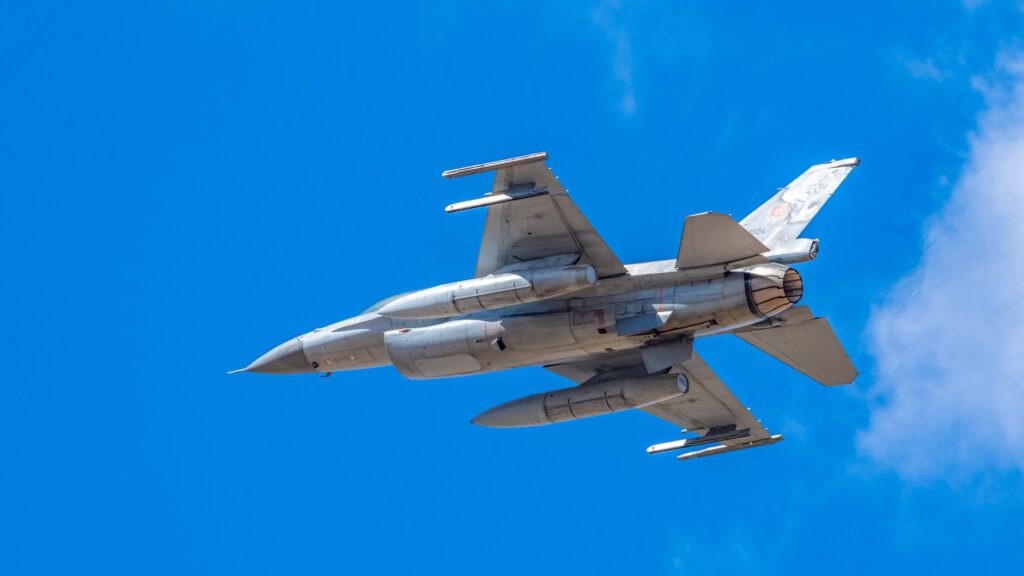
Claims surfaced asserting that an operational F-16 fighter jet belonging to the United States armed forces had come under direct missile fire. The assertions suggested that the aircraft sustained damage as a result of the purported engagement. Such announcements immediately draw global attention given the strategic significance of the Gulf waters and the ongoing diplomatic and military sensitivities in the area.
United States Central Command Response
United States Central Command, commonly known as CENTCOM, quickly addressed the circulating claims through official communication channels. Recognizing the potential for misinformation to escalate regional anxieties, military authorities issued a definitive statement directly addressing the rumors.
Setting the Record Straight
Without hesitation, CENTCOM categorized the assertions regarding the targeted aircraft as entirely false. Official representatives utilized social media platforms to deliver an explicit factual correction, firmly denying that any United States F-16 fighter jet had been struck, targeted, or damaged by hostile fire in the reported vicinity.
Implications of Regional Information Warfare
This incident highlights the critical importance of verified intelligence during periods of heightened international friction. Misinformation and unverified claims can easily distort public perception and influence diplomatic postures. Official refutations from authoritative military bodies serve to maintain clarity and prevent unwarranted escalations in volatile maritime zones.