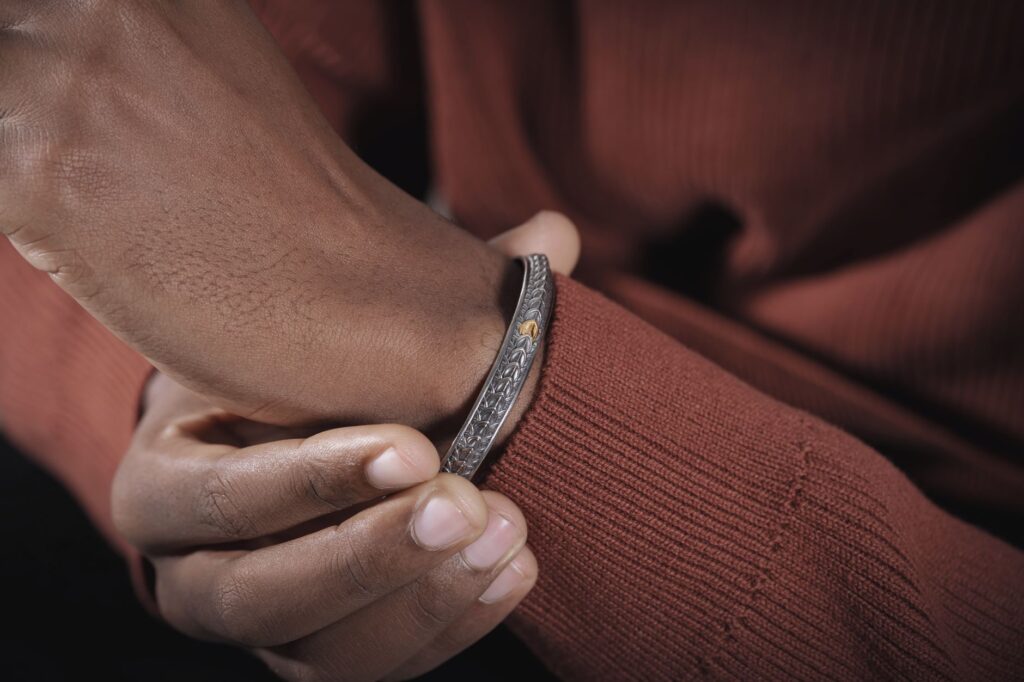

Introduction to the Temple Wearable Launch
The consumer technology and wellness markets frequently see the arrival of novel products promising to revolutionize personal health. Recently, the official website for a new device named Temple announced a major milestone. The initial production run, designated as Batch 01 of this wearable technology, officially sold out.
Promoted heavily across digital platforms, the device has captured widespread attention from technology enthusiasts and fitness consumers alike. Marketed as the world first precision fitness tracker integrated with Roomdeaf AI, the product generated significant pre-order demand despite remaining largely unproven in traditional scientific and medical communities.
Public Reaction and Criticism
While the commercial success of Batch 01 indicates strong consumer curiosity, the launch has not been without controversy. Prominent health commentators and medical professionals have voiced strong skepticism regarding the marketing claims surrounding the artificial intelligence capabilities and overall health efficacy of the tracker.
Critics have publicly questioned the validity of the technology, pointing out a lack of peer-reviewed scientific studies or transparent data backing up the health metrics provided by the device. Commentators argue that high-tech branding and flashy promotional campaigns often overshadow the actual utility and accuracy of modern wellness gadgets.
The Debate Over Health Tech Marketing
The rapid sell-out of the Temple wearable highlights a broader trend in the modern digital economy. Consumers are increasingly eager to invest in cutting-edge personal health devices, often driven by the desire for advanced bio-tracking and automated lifestyle insights.
At the same time, the medical establishment continues to urge caution. Experts emphasize that true precision health tracking requires rigorous clinical validation rather than relying solely on proprietary algorithms and artificial intelligence labels. As the wellness technology sector continues to expand, the friction between commercial hype and scientific accountability remains a central topic of discussion.
Looking Ahead
With Batch 01 completely sold out, attention now shifts to the actual delivery of the devices and the subsequent user reviews. Whether the Temple wearable can substantiate its ambitious marketing claims in real-world conditions will determine its long-term reputation in the crowded health technology landscape. For now, the successful initial sales phase demonstrates that consumer appetite for AI-driven fitness tools remains exceptionally high, regardless of ongoing academic and professional debates.