
Balancing Conservation and Coastal Tourism in Goa
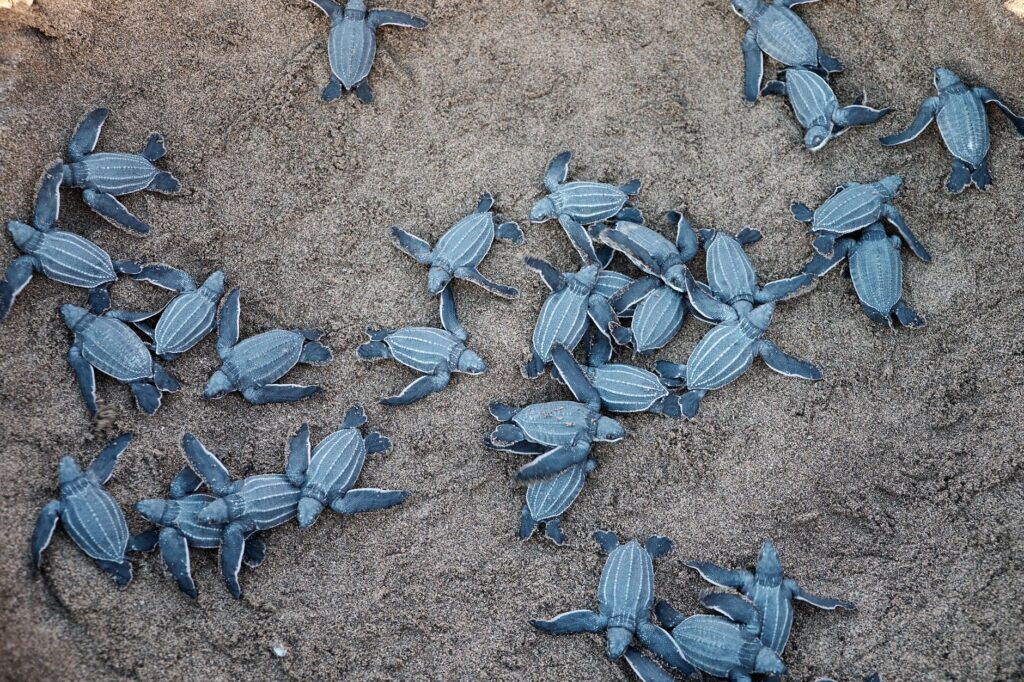
The coastal state of Goa is currently navigating a complex debate surrounding environmental protection and local economic activity. At the heart of this discussion is the designation of protected zones for marine life, specifically areas reserved for marine turtles to lay their eggs. State tourism leadership has recently called for a comprehensive re-evaluation of these protected designations across a significant number of shorelines, sparking discussions among environmentalists, local businesses, and government officials.
The Current Framework for Protected Shorelines
Beaches that have been officially identified as protected nesting habitats are subject to stringent regulations designed to safeguard vulnerable species. These measures are crucial for ensuring the survival of marine life, particularly species that return to the exact shores where they were hatched to lay their own eggs. However, the enforcement of these protective rules introduces notable limitations for commercial activities along the coastline.
Among the primary restrictions enforced in these designated zones is a strict prohibition on setting up temporary infrastructure, such as beach beds and loungers, within the intertidal zone. For local operators and hospitality businesses, these rules limit the capacity to host visitors and provide standard beachfront services. As the state relies heavily on incoming travelers for its economic vitality, the tension between preserving natural habitats and supporting commercial ventures remains a persistent challenge.
Proposals for a Strategic Reassessment
The call to re-examine twenty-one specific coastal locations stems from a desire to find a more harmonious approach to coastal management. Rather than enforcing blanket restrictions that may impact local livelihoods, the proposed review aims to analyze whether every designated zone requires the same level of strict limitations. Stakeholders are evaluating if certain segments of these shorelines can be managed more flexibly without compromising the safety and security of nesting wildlife.
Proponents of the review argue that modern conservation efforts can be sophisticated enough to accommodate both thriving marine populations and a robust tourism sector. By utilizing scientific data, designated monitoring periods, and localized zoning, it might be possible to protect vulnerable species during critical times of the year while allowing commercial activity during other periods or in adjacent sections of the coast.
Economic Implications for Local Communities
Coastal communities depend significantly on the continuous flow of visitors who seek relaxation along the state’s famous shores. When areas face strict operational bans due to environmental designations, local vendors and operators often experience financial strain. A balanced regulatory framework is viewed by many as essential to sustaining the livelihoods of families who have operated small businesses along the waterfront for generations.
At the same time, responsible travel advocates emphasize that the unique natural appeal of the destination is precisely what attracts visitors in the first place. Damaging the ecosystem through unregulated commercial expansion would ultimately undermine the long-term viability of the tourism industry. Therefore, any adjustments to the current protected zones must be approached with careful planning and oversight.
Next Steps for Coastal Management
As discussions continue among government departments, wildlife experts, and tourism representatives, the focus remains on finding a sustainable path forward. The upcoming review of the twenty-one locations will likely involve detailed environmental assessments to determine the actual presence and frequency of nesting activity in each specific area. By relying on empirical evidence rather than generalized rules, the state hopes to create a model that successfully protects marine biodiversity while supporting the economic needs of its coastal population.