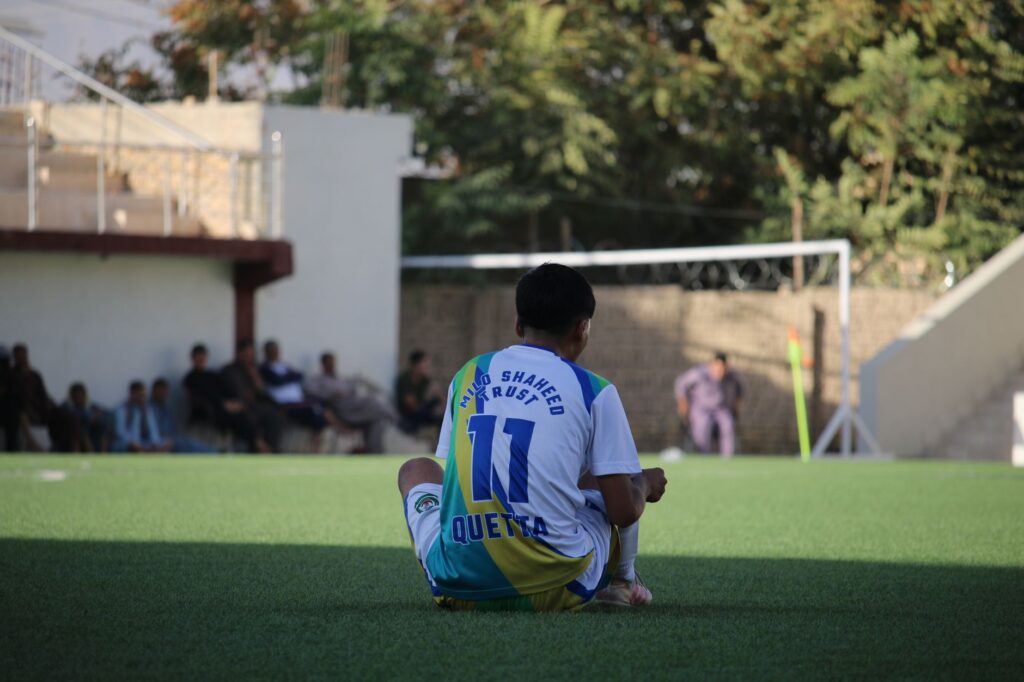

The landscape of franchise cricket faces a significant turning point as prominent franchise leadership signals a potential exit from the Pakistan Super League. Nadeem Omar, the owner of the Quetta Gladiators, has publicly confirmed intentions to divest his ownership stake in the team. This decision highlights deep structural and financial concerns within the tournament, particularly regarding its ability to keep pace with major global competitors in the sport.
Financial Realities in Modern Cricket
Modern professional cricket operates on massive financial scales, driven primarily by media rights, sponsorships, and global viewership metrics. In recent years, leagues around the world have experienced exponential revenue growth. However, this growth has not been uniform across all competitions. While certain tournaments secure astronomical broadcast deals and corporate partnerships, others struggle to achieve similar monetization levels.
The Commercial Dominance of the Indian Premier League
The financial disparity between the Pakistan Super League and the Indian Premier League has long been a subject of discussion among sports economists and industry insiders. The Indian Premier League commands some of the most lucrative broadcasting agreements in global sports, placing it in a league of its own alongside premier American sports franchises and elite European football competitions. This immense financial power allows franchises in the Indian tournament to generate revenue streams that far outpace their counterparts in other regional leagues.
Challenges Facing Franchise Owners
Operating a cricket franchise involves substantial expenditure, ranging from player acquisitions and coaching staff salaries to logistical costs and marketing. When commercial revenues fail to scale proportionally with operational expenses, franchise owners face difficult economic choices. For investors in the Pakistan Super League, the inability to capture matching commercial returns creates a challenging business environment. This economic pressure ultimately influences strategic decisions regarding long-term involvement in the tournament.
Implications for the Future of the League
The planned sale of the Quetta Gladiators represents a critical moment for the Pakistan Super League administration. Franchise stability is vital for the overall health and competitiveness of any sports league. When established team owners decide to exit due to financial limitations, it prompts important conversations about revenue sharing models, broadcast strategies, and sponsorship acquisition. League organizers must address these economic realities to ensure sustained interest from current and prospective investors.
Looking Ahead
As the sports business ecosystem continues to evolve, cricket leagues must adapt to changing market dynamics. The decision made by the leadership of the Quetta Gladiators underscores the necessity for comprehensive financial planning and strategic growth within emerging tournaments. Addressing the commercial gap with larger competitors will require innovative approaches to marketing, fan engagement, and revenue generation in the seasons to come.