
Market Overview And Recent Performance
Financial markets experienced a notable downturn as major indexes faced selling pressure during the latest trading sessions. Investors showed increasing caution while navigating the current economic landscape. Market participants closely monitored various asset classes as volatility remained a key theme across trading floors.
Trading activity reflected heightened anxiety among institutional and retail investors alike. Equities across multiple sectors retreated from previous positions. Analysts noted that market sentiment has turned increasingly defensive as participants reassess their portfolios in light of ongoing macroeconomic developments.
The S and P 500 Decline
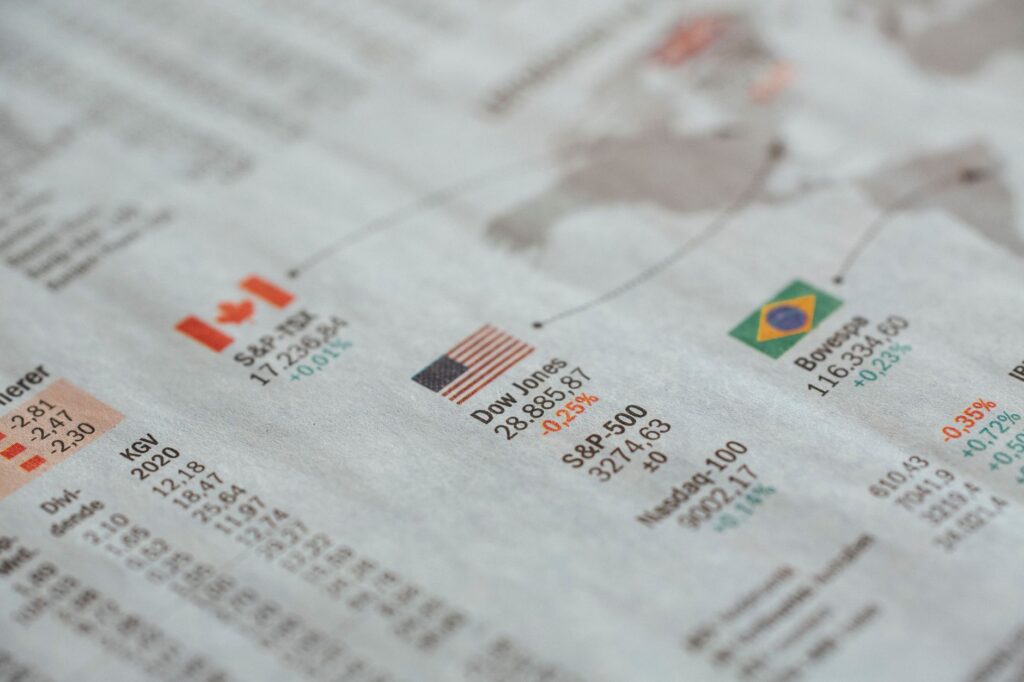
The broader equity market suffered significant losses, pushing key benchmarks down to multi-month lows. Specifically, the S and P 500 fell to its lowest since July. This decline marked a critical threshold for market technicians and long-term investors who monitor support levels.
Selling pressure was widespread across the index components, with few sectors managing to escape the downward trend. The drop below established summer thresholds triggered automated trading algorithms and prompted portfolio managers to rebalance their asset allocations to mitigate further risk.
Tech Sector And Investor Focus
Technology stocks faced intense scrutiny as market participants awaited upcoming corporate financial reports. The technology-heavy Nasdaq finished the session in negative territory, dragging down overall market sentiment. Market participants showed reluctance to commit fresh capital ahead of major earnings announcements from dominant industry players.
Anticipation surrounding upcoming financial disclosures created an atmosphere of suspense on trading desks. Traders weighed potential outcomes against lofty valuations that have characterized the sector for extended periods. Any divergence from projected financial metrics could induce further volatility across related equities.
Broader Economic Implications
Market movements of this magnitude often reflect broader concerns regarding economic growth and monetary policy. Fixed income markets and currency pairs also displayed heightened sensitivity to incoming economic data. Analysts suggest that the recent equities correction underscores the fragile equilibrium currently existing in global financial markets.
Investors continue to track central bank communications for signals regarding future interest rate trajectories. Uncertainty surrounding borrowing costs and inflation metrics remains a primary driver of market behavior. As participants digest the latest developments, caution is expected to dictate trading strategies in the near term.