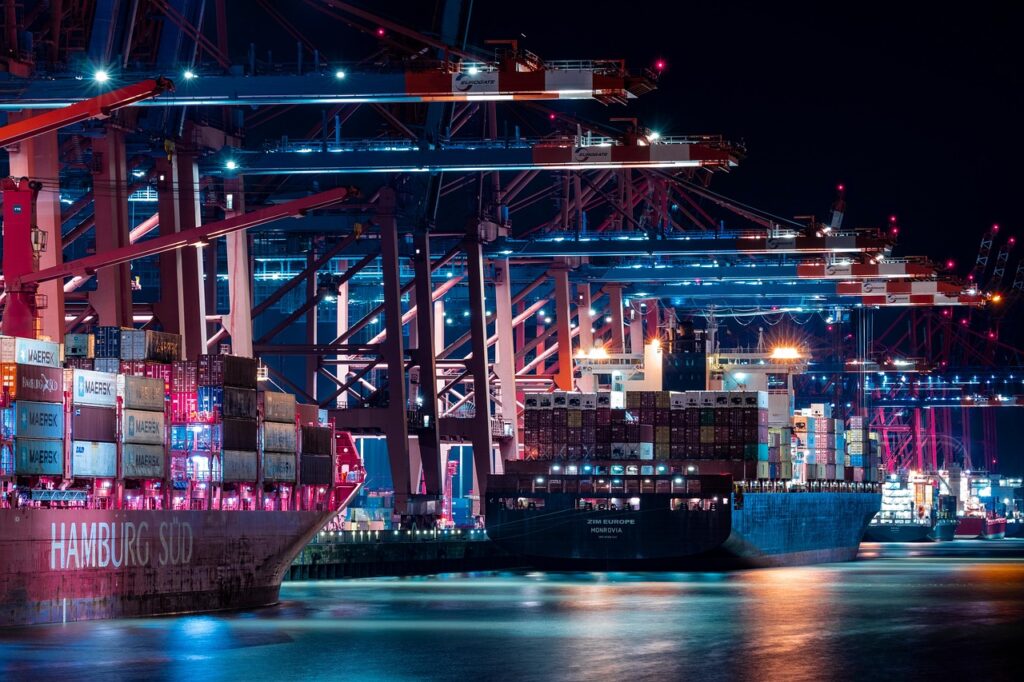

The United States government announced a sweeping new 10 percent tariff targeting 60 countries this week, citing inadequate domestic protections against forced labour as the primary justification for the sudden trade measure. Implemented in Washington, D.C., the sweeping policy immediately disrupts global supply chains and affects major trading partners, including close neighbors like Canada, as the administration ramps up economic pressure to combat international labor abuses.
The Legislative Path to the New Tariffs
This aggressive trade action directly replaces a previous stopgap measure enacted by former President Donald Trump. The Supreme Court previously struck down those earlier tariffs, forcing the executive branch to find a new legal framework to impose trade penalties.
Trade lawyers and policy analysts note that leveraging forced labour concerns provides a distinct legal pathway under U.S. trade statutes. By framing the tariffs around human rights and labor standards, the administration aims to bypass traditional congressional roadblocks that typically govern standard taxation and trade agreements.
Global Fallout and Economic Ripple Effects
International markets reacted swiftly to the announcement, with currency fluctuations and stock drops reported across several affected nations. Canadian officials expressed immediate concern over the 10 percent levy, emphasizing the deeply integrated nature of North American manufacturing and supply chains.
Economists warn that the burden of these tariffs will ultimately fall on American consumers and businesses. Imported goods ranging from raw materials to finished consumer products face immediate price hikes as importers absorb the additional 10 percent federal tax.
Critics of the policy argue that unilateral tariffs rarely achieve their stated humanitarian goals. Instead, trade experts suggest that broad economic penalties often strain diplomatic relations and provoke retaliatory measures from targeted sovereign states.
Data and Expert Perspectives
According to data compiled by global trade watchdogs, the 60 targeted nations account for roughly 45 percent of total U.S. imports. This massive volume ensures that the economic impact will reverberate far beyond localized industrial sectors.
Dr. Elena Rostova, a senior fellow at the Peterson Institute for International Economics, highlights the complexity of enforcing labor standards through trade levies. "Using tariffs as a blunt instrument to police global labor practices risks fragmenting the international trading system," Rostova stated in a recent analysis.
Conversely, labor advocates defend the administration’s aggressive posture. Proponents argue that financial penalties remain one of the few effective levers to compel foreign governments to eradicate exploitative labor practices within their borders.
Industry Adaptation and Future Outlook
Multinational corporations are currently scrambling to audit their supply chains to determine exposure to the new 10 percent tariff. Many logistics firms report a surge in demand for alternative sourcing strategies as companies seek to bypass penalized jurisdictions.
Global trade partners are expected to challenge the U.S. policy through the World Trade Organization, alleging that the tariffs violate long-standing international trade agreements. Legal scholars anticipate years of litigation regarding the true intent behind the human rights justification.
Observers must monitor retaliatory tariffs from major trading partners like Canada and the European Union in the coming weeks. Furthermore, watch for potential exemptions or waivers granted by the Department of Commerce as domestic industries lobby for relief from critical supply shortages.