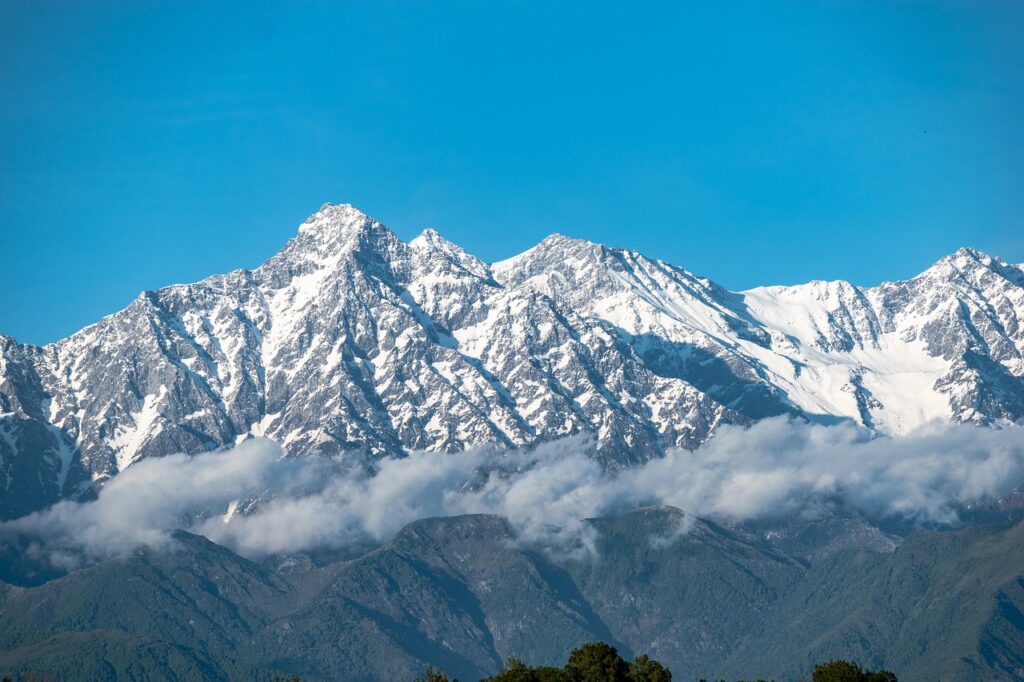

In a significant shift for the Indian film industry, Bollywood producers have increasingly turned their cameras toward Northeast India over the past five years, utilizing the region’s pristine landscapes to redefine the visual aesthetic of modern cinema. From the rolling tea gardens of Assam to the rugged, mist-covered mountains of Arunachal Pradesh, filmmakers are moving away from traditional European backdrops to showcase the cultural and geographical diversity of the Seven Sisters. This trend gained momentum in 2024, as major production houses began leveraging state-sponsored tourism incentives and improved infrastructure to capture authentic, untapped locations that offer a distinct visual identity compared to the over-exposed locales of Northern India.
The Shift in Cinematic Geography
For decades, the Indian film industry relied heavily on the Swiss Alps or the valleys of Kashmir for song sequences and dramatic storytelling. However, rising production costs and a growing audience appetite for novelty have pushed directors to explore the uncharted territories of India’s far east.
The region offers a unique blend of colonial-era architecture, vibrant tribal culture, and breathtaking natural biodiversity. Films such as ‘Anek’ and ‘Axone’ have paved the way by integrating the region’s distinct socio-political narrative directly into the plot, rather than just using it as a scenic backdrop.
Economic and Cultural Integration
The influx of film crews has stimulated local economies in states like Meghalaya and Manipur, creating a burgeoning service industry for film logistics, local casting, and hospitality. According to data from the Ministry of Tourism, states in the Northeast have reported a 20% increase in domestic tourism interest linked directly to locations featured in popular films and web series.
Dr. Ananya Roy, a media studies professor at the Indian Institute of Mass Communication, notes that this trend represents more than just a search for aesthetic beauty. “Bollywood is finally acknowledging the Northeast as an integral part of the national identity, moving beyond the stereotypes that previously hindered mainstream representation,” Roy stated.
Challenges and Sustainable Growth
Despite the optimism, the industry faces logistical hurdles, including difficult terrain and limited connectivity in remote areas. Filmmakers must navigate complex regional permits and environmental regulations to ensure that large-scale productions do not disrupt the fragile ecosystems of the Himalayan foothills.
Industry analysts suggest that the long-term success of this trend depends on the development of dedicated film facilitation offices in each state. By streamlining the bureaucratic process, states can ensure that the economic benefits of filming are distributed equitably among local communities rather than just major production hubs.
Future Implications for the Industry
As streaming platforms continue to demand high-quality, geographically diverse content, the Northeast is poised to become a permanent fixture in the Indian cinematic map. Industry experts expect to see an increase in local talent, from cinematographers to actors, being integrated into mainstream Bollywood projects.
Observers should watch for upcoming policy announcements regarding film subsidies, which may further incentivize international co-productions to scout the region. The marriage of Northeast India’s untouched beauty and Bollywood’s massive reach is not merely a temporary trend, but a structural evolution in how the Indian film industry defines its visual language for the next generation of viewers.