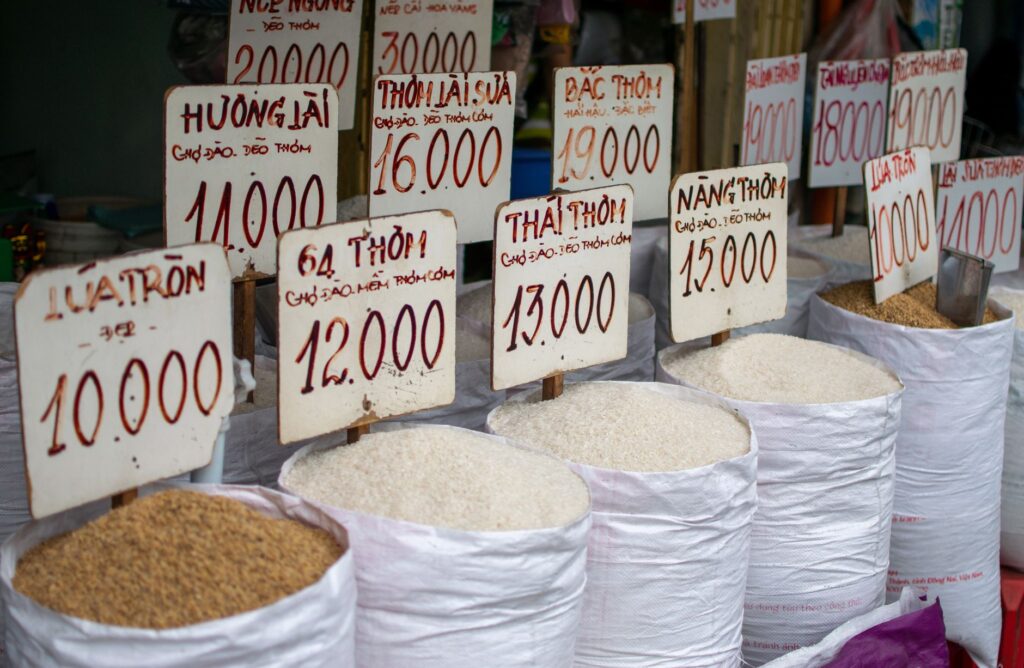

Rice prices are experiencing an upward trend driven by expectations of lower agricultural yields this season. According to reporting by Hindustan Times, experts and market traders anticipate a contraction in overall output, though the exact magnitude of the production loss remains undetermined at this stage.
Agricultural sectors across key regions face mounting pressures that directly impact food security, market economics, and the livelihoods of young professionals and students entering the agricultural and supply chain economies. Understanding these dynamics is crucial for grasping broader economic shifts.
Key Takeaways:
- Rising Prices: Market rates for rice are climbing due to projected declines in harvest volumes.
- Production Losses: Experts and traders predict lower yields this season, though exact figures remain unconfirmed.
- Contributing Factors: Agricultural challenges include inadequate rainfall and reduced fertilizer application.
Understanding the Drivers Behind Rice Price Increases
The agricultural landscape is heavily influenced by unpredictable weather patterns and input availability. When crops face environmental and economic stress, the ripple effects are felt throughout the consumer market.
Inadequate Rainfall and Climate Pressures
Water availability is the single most critical factor for paddy cultivation. Insufficient monsoon rains directly stunt crop growth and reduce the acreage that can be effectively farmed. As weather anomalies become more frequent, agricultural planning requires greater resilience and adaptive strategies, offering significant opportunities for innovation and agritech solutions.
Reduced Fertilizer Use and Yield Impact
Economic shifts and supply constraints have also led to reduced fertilizer use among farmers. Fertilizers play a vital role in maximizing crop yields per acre. When application rates drop due to cost or availability issues, overall agricultural productivity declines correspondingly, feeding directly into higher retail prices.
Socio-Economic Implications for Communities and Young Professionals
For students and young professionals tracking economic indicators, the fluctuation in staple crop prices serves as an essential case study in inflation, commodity trading, and food security. Agricultural stability underpins national economic health, making sustainable farming practices and supply chain transparency critical areas of focus for the next generation of leaders.
As markets adjust to these lower production forecasts, stakeholders across the agricultural value chain must innovate to protect both consumer affordability and farming livelihoods.