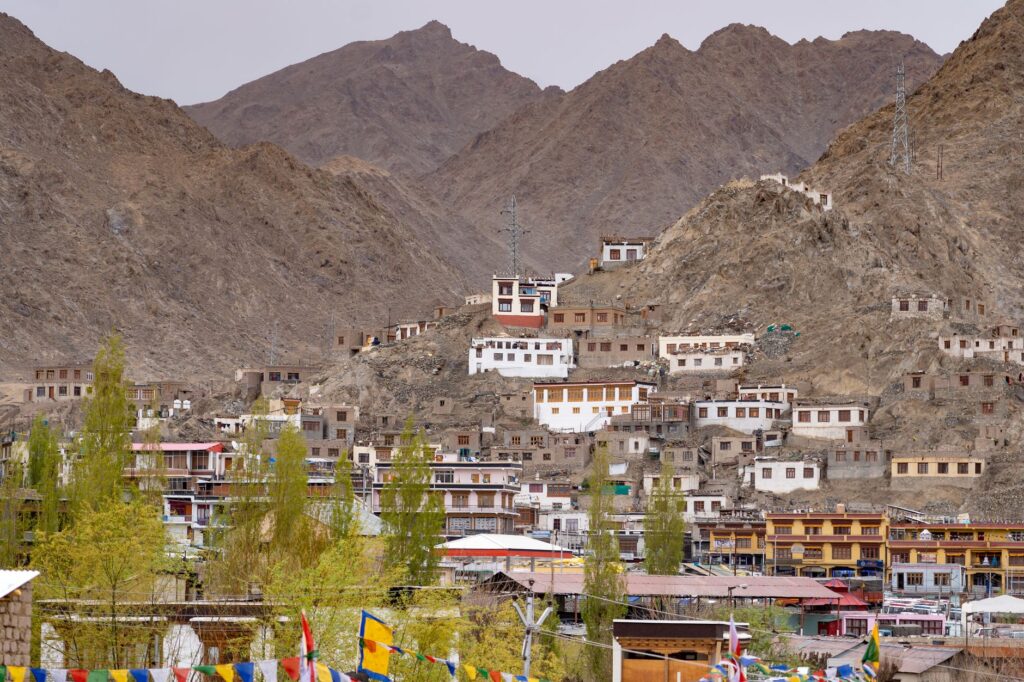

According to reporting by NDTV, Ladakh is preparing to hold its upcoming Hill Council elections on December 4. This democratic exercise takes place under complex circumstances, marked by significant regional agitation and political friction.
Key Takeaways:
- Ladakh Hill Council elections are officially scheduled to be held on December 4.
- The polls occur against the backdrop of an extended agitation led by political and civil society groups in Leh and Kargil.
- Core demands from protesting groups include full statehood and constitutional safeguards under the Sixth Schedule of the Indian Constitution.
Context and Background of the Ladakh Agitation
The decision to conduct the Hill Council elections comes at a sensitive time for the region. For a prolonged period, local political entities and civil society organizations in both Leh and Kargil have maintained a united front advocating for greater political autonomy and governance protections.
Residents and regional leaders have consistently voiced concerns regarding land rights, cultural preservation, and local employment opportunities. These concerns form the bedrock of the ongoing movement demanding constitutional safeguards.
Demands for Statehood and the Sixth Schedule
At the heart of the current regional tension is the persistent push for statehood and inclusion under the Sixth Schedule. The Sixth Schedule of the Constitution of India provides for the administration of tribal areas in certain states through Autonomous District Councils, granting them legislative, judicial, and administrative powers.
Civil society groups argue that such constitutional provisions are vital for protecting the unique demographic and environmental character of Ladakh following its transition into a Union Territory.
Implications for Young Professionals and Students
For the youth, students, and young professionals of Ladakh, these political developments carry profound implications for future career opportunities, educational policies, and regional development. Navigating this critical juncture requires careful civic participation and an understanding of grassroots democratic processes as the region weighs institutional engagement against ongoing protests.