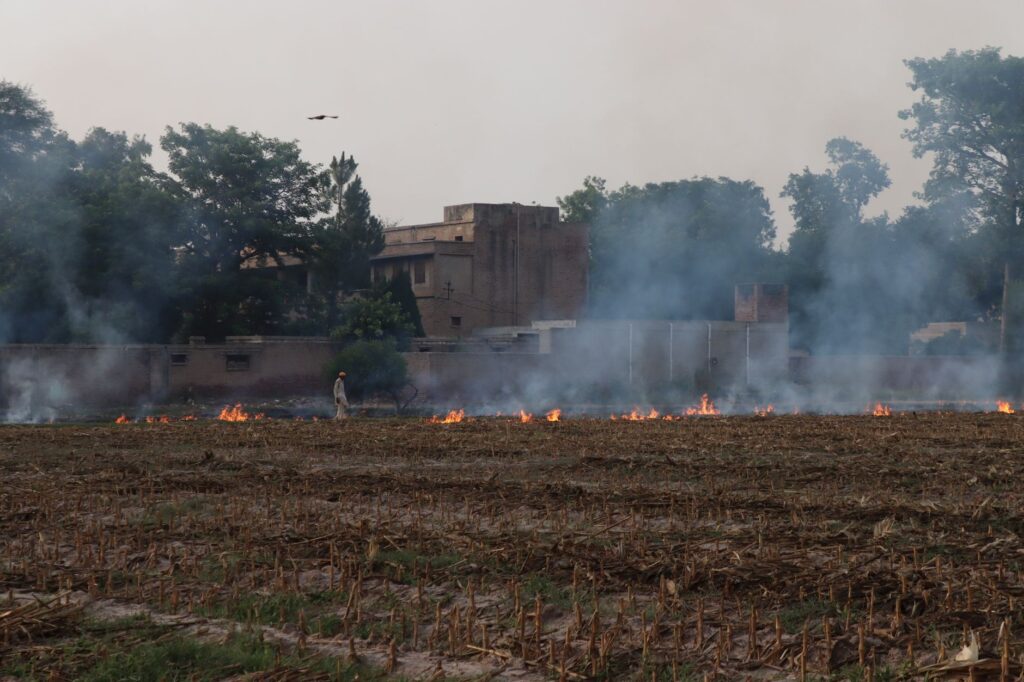

Recent political discourse surrounding environmental policies in northern India has intensified, with prominent leaders raising serious concerns about the handling of agricultural residue management. According to reporting by the Hindustan Times (source), accusations have been leveled against the state administration for allegedly misleading the public on the critical issue of stubble burning.
Key Takeaways:
- Political tensions rise over the management and public communication regarding agricultural stubble burning in Punjab.
- Critics accuse the state government of presenting misleading narratives to the populace.
- Environmental and health implications remain a major concern for citizens and young professionals across the region.
Understanding the Stubble Burning Controversy
Stubble burning has long remained a contentious environmental challenge, significantly impacting air quality across northern India during specific agricultural seasons. The recent statements highlight a growing friction between political accountability and effective grassroots implementation of crop residue management solutions.
Implications for Public Health and Society
For students, young professionals, and families living in the affected regions, deteriorating air quality poses immediate health risks and dampens societal progress. Transparent communication and actionable policy measures are essential to address the root causes of agricultural burning without unfairly burdening the farming community.
The Need for Constructive Dialogue
Experts emphasize that sustainable long-term solutions require collaborative efforts between central and state authorities, agricultural stakeholders, and environmental scientists. Moving past political rhetoric to embrace technological innovation and financial support for farmers is vital for regional well-being.