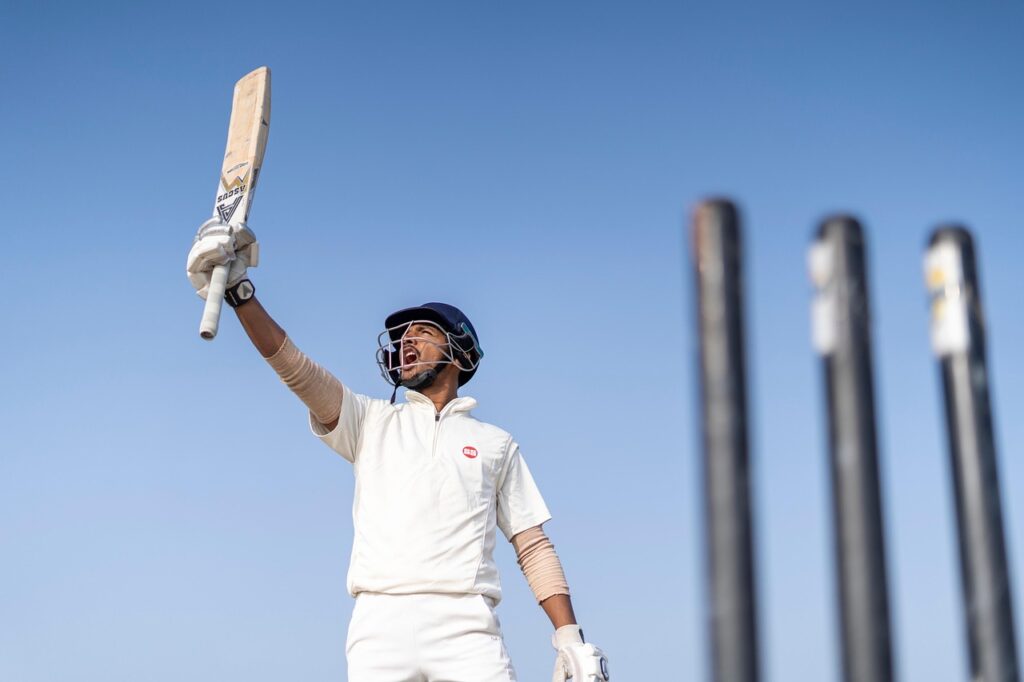

India secured a resounding seven-wicket victory against Zimbabwe in the opening T20I encounter at Harare Sports Club on Tuesday, propelled by a historic half-century from teenager Vaibhav Sooryavanshi and a lethal bowling spell from returning fast bowler Mayank Yadav. The dominant performance effectively halted captain Shreyas Iyer’s personal winless streak at the helm of the national side, setting a commanding tone for the remainder of the multi-format tour.
Context and Background
Entering the series, the Indian leadership faced mounting scrutiny following a string of unfavorable results under varying tactical setups. Shreyas Iyer, tasked with marshalling a youthful and experimental squad, desperately needed a morale-boosting victory to solidify his leadership credentials. Meanwhile, Zimbabwe entered the contest eager to capitalize on home conditions and stage an upset against the powerhouse visitors, utilizing a squad blending seasoned campaigners with emerging talent.
Bowling Brilliance Sets the Tone
India’s resurgence began with a disciplined bowling display spearheaded by Mayank Yadav, whose blistering pace immediately troubled the host nation’s top order. Yadav claimed crucial early wickets, breaking the back of the Zimbabwean batting lineup and restricting their momentum. Despite a resilient, fighting partnership in the middle overs that pushed the total, Zimbabwe could only muster a modest 125 runs for the loss of their allotted wickets.
Historical Batting Heroics
The chase belonged firmly to teenage sensation Vaibhav Sooryavanshi, who etched his name into the record books by becoming the youngest player ever to score a T20I half-century. Sooryavanshi displayed remarkable composure and stroke-play well beyond his years, dismantling the Zimbabwean bowling attack with sheer efficiency. According to cricket statisticians, his innings represents a watershed moment for youth development within the Board of Control for Cricket in India (BCCI) talent pipeline.
Captain Shreyas Iyer anchored the remainder of the run chase with a steady, unbeaten knock, guiding his team across the finish line with plenty of overs to spare. The seven-wicket margin underscores the sheer gulf in class between the two sides on the day. Analysts noted that Iyer’s tactical bowling changes and calm demeanor under pressure played a pivotal role in maintaining the stranglehold on Zimbabwe’s batsmen.
Industry Implications and Future Outlook
For the broader cricketing ecosystem, this match signals a successful transition toward younger demographics within top-tier international squads. The rapid ascension of players like Sooryavanshi and the successful rehabilitation of fast-bowling assets like Yadav validate modern high-performance training methods. Stakeholders in bilateral cricket will watch closely to see if Zimbabwe can adapt their strategic approach ahead of the second fixture, or if India’s youthful depth will continue to dominate the series.