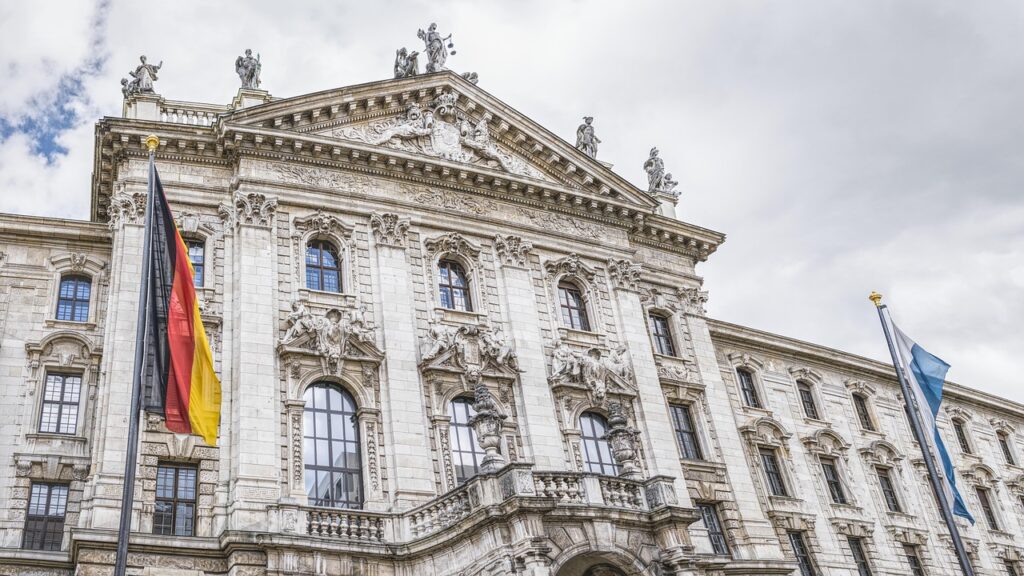

In a historic realignment of the American political system, the United States Supreme Court issued two landmark rulings in Washington, D.C., during the summer of 2024, fundamentally expanding executive branch authority and reshaping the balance of power among the three branches of federal government.
The Historical Context of Executive Power
For decades, the boundaries of presidential authority were largely governed by precedent, congressional oversight, and the framework established in the landmark 1952 Youngstown Sheet & Tube Co. v. Sawyer decision. The judiciary historically acted as a crucial check on executive overreach, particularly regarding regulatory agencies and criminal liability.
However, the current conservative supermajority on the high court has systematically reevaluated these long-standing legal doctrines. Legal scholars note that these recent rulings represent the most significant retraction of judicial and congressional oversight over the executive branch in modern history.
Immunity and Regulatory Authority
The first major ruling granted broad criminal immunity to former presidents for official acts taken while in office, creating a legal shield that critics argue places the executive above the law. Chief Justice John Roberts wrote that this protection is essential to ensure energetic and fearless presidential decision-making.
Days prior, the court struck down the 40-year-old Chevron deference doctrine in a second sweeping decision. This move strips federal regulatory agencies of their authority to interpret ambiguous statutes passed by Congress, transferring that ultimate interpretive power to the courts and further empowering the executive branch’s direct control over federal policy.
Expert Analysis and Legal Division
Legal analysts remain deeply divided over the long-term consequences of these rulings for American democracy. Proponents argue that the decisions restore the original constitutional design by reining in unelected federal bureaucrats and protecting the presidency from politically motivated prosecutions.
Conversely, dissenting justices and legal historians warn of an unprecedented concentration of power in a single office. According to data compiled by court-watchers, these rulings effectively overturn scores of lower-court precedents and upend decades of established administrative law.
Industry and Governance Implications
Corporations, environmental groups, and labor organizations now face a drastically altered regulatory landscape where federal rules lack their former legal predictability. Agencies like the Environmental Protection Agency and the Securities and Exchange Commission must navigate a court system that is far more skeptical of federal intervention.
Furthermore, future occupants of the Oval Office will wield significantly expanded legal protections and operational latitude. This shift forces both the legislative and judicial branches to adapt to a vastly more dominant executive branch.
Observers will monitor the upcoming federal court dockets to see how lower judges apply the new presidential immunity standard to pending cases. Future congressional attempts to pass explicit regulatory statutes will also test the new limits of executive rulemaking authority.