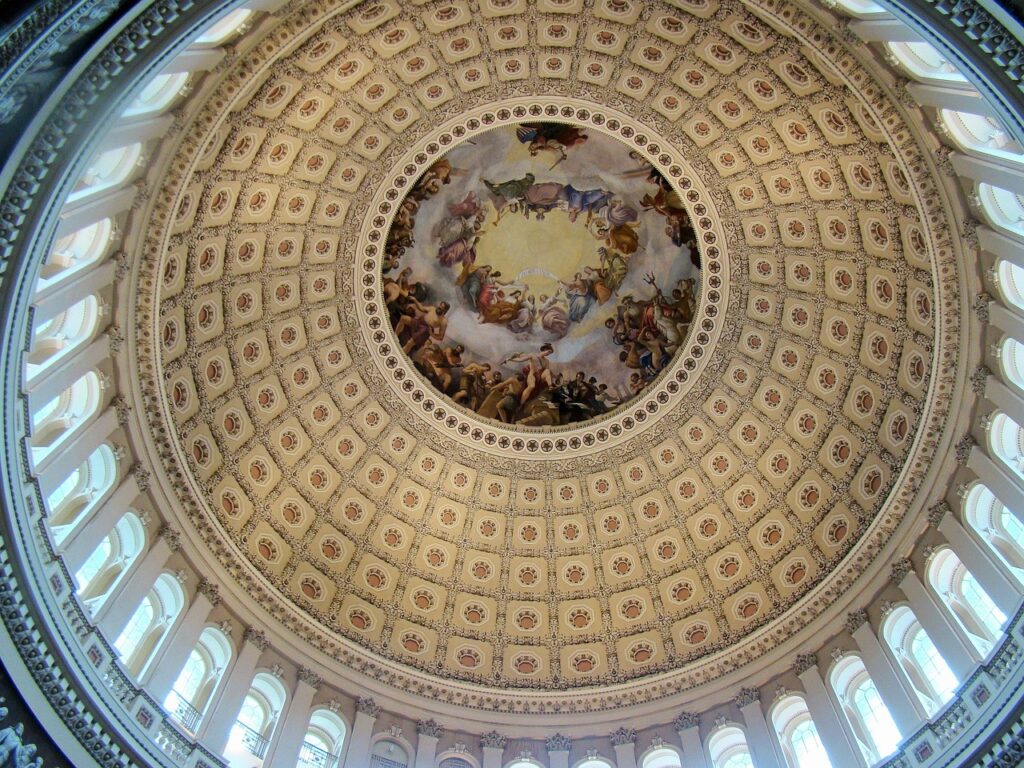

A bipartisan coalition in the United States House of Representatives successfully passed a War Powers resolution on Thursday, explicitly directing the administration to seek congressional authorization before engaging in further military hostilities against Iran, following escalating tensions in the Middle East.
The legislative showdown unfolded on Capitol Hill as lawmakers grappled with executive overreach and constitutional war-making powers. A small group of House Republicans broke ranks with their party leadership to join Democrats, securing the measure’s passage despite fierce opposition from the White House.
Understanding the War Powers Resolution
The 1973 War Powers Resolution was originally enacted in the wake of the Vietnam War to reassert congressional authority over military engagements. It requires the executive branch to notify lawmakers within 48 hours of deploying armed forces into hostilities and mandates the withdrawal of those forces within 60 to 90 days unless Congress explicitly declares war or grants specific authorization.
Recent escalations in the Persian Gulf region triggered renewed urgency among lawmakers regarding the legal framework of foreign interventions. Proponents of the resolution argued that unchecked military escalation risks entangling the United States in another protracted and unauthorized conflict in the Middle East.
Divergent Paths in Congress
While the House advanced the measure with notable bipartisan support, the legislative effort faced an immediate roadblock in the Republican-controlled Senate. Senators blocked procedural pathways for debate, highlighting the deep partisan divide over executive military authorities in the upper chamber.
Defense hawks and administration defenders in the Senate contended that tying the president’s hands compromises national security and sends a signal of weakness to foreign adversaries. They maintained that existing authorizations for the use of military force provide sufficient legal backing for current operations.
Conversely, supporters of the resolution emphasized that the Constitution grants Congress the sole power to declare war. Constitutional scholars note that the current debate reflects a decades-long power struggle between the legislative and executive branches over military deployments.
Industry and Legislative Implications
The conflicting actions by the House and Senate illustrate the ongoing difficulty of enforcing legislative oversight on foreign policy. Defense analysts suggest that while the House vote is largely symbolic due to the Senate’s blockade, it establishes a political marker for future legislative battles over military budgets and troop authorizations.
Financial markets and international allies monitored the Capitol Hill votes closely for signs of shifting U.S. foreign policy stability. Geopolitical risk assessments indicate that legislative challenges to executive actions could influence diplomatic negotiations and regional deterrence strategies.
Observers should watch for upcoming defense authorization bills where lawmakers may attempt to attach similar war powers restrictions as riders. Future developments will depend heavily on upcoming diplomatic engagements and potential security incidents in the Middle East that could force Congress to revisit the issue.