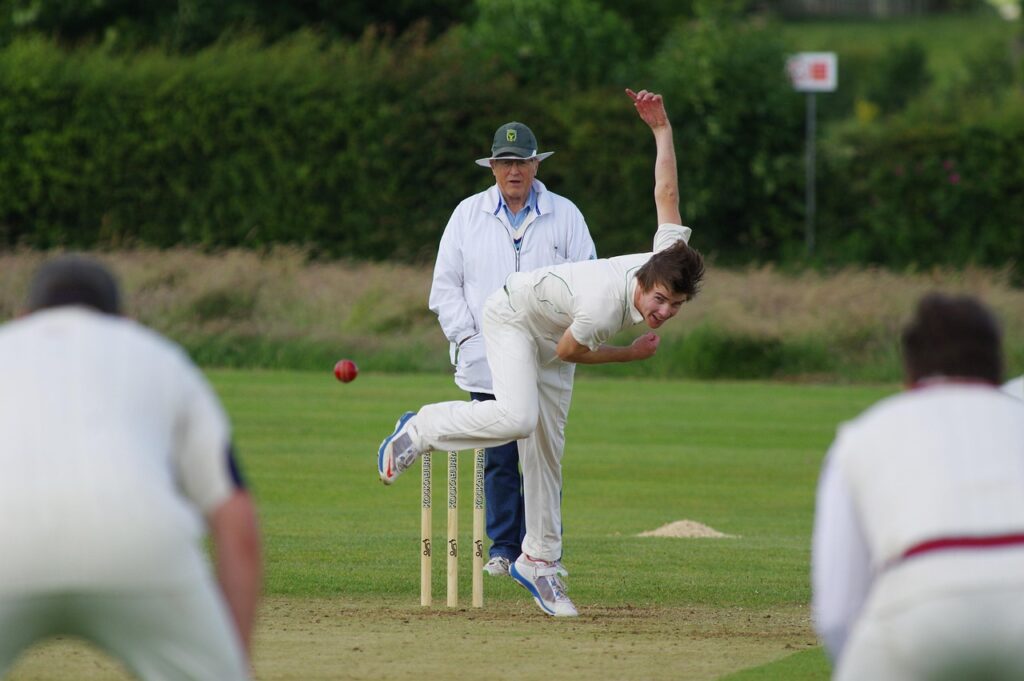

India bowling coach Sunil Joshi announced strategic plans to groom teenage batting prodigy Vaibhav Sooryavanshi into a versatile bowling option, following the youngster’s historic half-century against Zimbabwe. Speaking during the ongoing bilateral series, Joshi emphasized the coaching staff’s intent to build multi-dimensional depth while maintaining proper focus on the rookie’s primary batting achievements.
Building Strategic Depth in Modern T20 Cricket
The contemporary T20 international landscape increasingly rewards teams that possess deep batting lineups filled with players who can contribute overs with the ball. Modern international setups actively seek top-order batters capable of rolling their arm over to provide tactical flexibility during crucial match situations.
Sooryavanshi recently etched his name into the history books by becoming the youngest player to record a T20 International half-century during India’s clash against Zimbabwe. His aggressive strokeplay and composure against international attack drew praise from global commentators and veteran analysts alike.
Despite the spotlight on his explosive batting feats, the Indian management views Sooryavanshi as a long-term prospect who can offer valuable overs of spin. Team management aims to gradually integrate bowling workloads into his training regime without overloading the young athlete.
Nurturing Youth: Sooryavanshi and Shedge
“I’ll work with him,” Joshi stated regarding Sooryavanshi’s secondary skill set, highlighting a dedicated plan to refine the teenager’s bowling mechanics. However, the coaching staff remains cautious not to let bowling development overshadow his natural ball-striking capabilities.
Joshi urged media and fans to keep their primary focus on Sooryavanshi’s batting milestones as he transitions into elite international cricket. The coaching setup believes protecting the young player’s confidence in his core discipline is essential for his sustainable growth.
A similar approach is being applied to emerging all-rounder Suryansh Shedge, who has impressed in domestic circuits with his dynamic dual capability. Joshi advised patience regarding Shedge’s international integration, stressing that high-performance transition requires careful workload management and technical maturity.
The management views Shedge as an integral part of India’s white-ball pipeline, provided his physical development and match-awareness are allowed to mature naturally over the next domestic season.
Technical Refinements Yield Immediate Results
Beyond individual development plans, the Indian bowling unit has seen tangible success through subtle technical adjustments under Joshi’s guidance. Leg-spinner Ravi Bishnoi’s recent mechanical modifications serve as a primary blueprint for the coaching team’s methodology.
Bishnoi recently underwent a deliberate run-up adjustment designed to improve his balance at the crease and optimize his release angle. The tweak has already yielded positive results, enhancing his trajectory consistency and deceptiveness against left-handed batters.
“The adjustments made to Bishnoi’s run-up have given him greater control and consistency,” Joshi noted, pointing to the spinner’s recent lower economy rates in powerplay overs. These micro-adjustments demonstrate the coaching setup’s focus on evidence-based technical adjustments for established squad members.
The technical staff continues to gather performance data to evaluate how these mechanical changes hold up under high-pressure scenarios against top-tier opposition.
squad Depth and Multi-Skilled Lineups
The emphasis on developing players like Sooryavanshi and refining specialists like Bishnoi highlights India’s broader philosophy of squad rotation and depth. The coaching staff is intentionally broadening the player pool to manage workload demands across dense international calendars.
Having multiple top-order batters capable of bowling two to three overs per innings provides captains with crucial tactical insurance against dynamic power-hitting trends. This approach aligns with successful modern white-ball strategies deployed by leading international teams globally.
The Indian team management plans to give emerging talent ample exposure in controlled environments before testing their secondary skills under match pressure. Strategic trial periods during secondary series allow coaching staff to evaluate players without risking overall match results.
What to Watch Next
Observer attention will now shift to Sooryavanshi’s involvement in upcoming training sessions as he begins structured bowling drills under Joshi’s direct supervision. Analysts will monitor whether the youngster receives his first bowling assignment in the remaining fixtures of the current tour.
Simultaneously, cricket followers will monitor Bishnoi’s performance metrics to evaluate the long-term effectiveness of his altered run-up against top-ranked opposition. His adaptability across varied pitch conditions will prove critical as major international tournaments approach.
The progressive integration of Suryansh Shedge into squad rotations will also serve as a key metric for evaluating India’s bench strength ahead of upcoming home and away series.