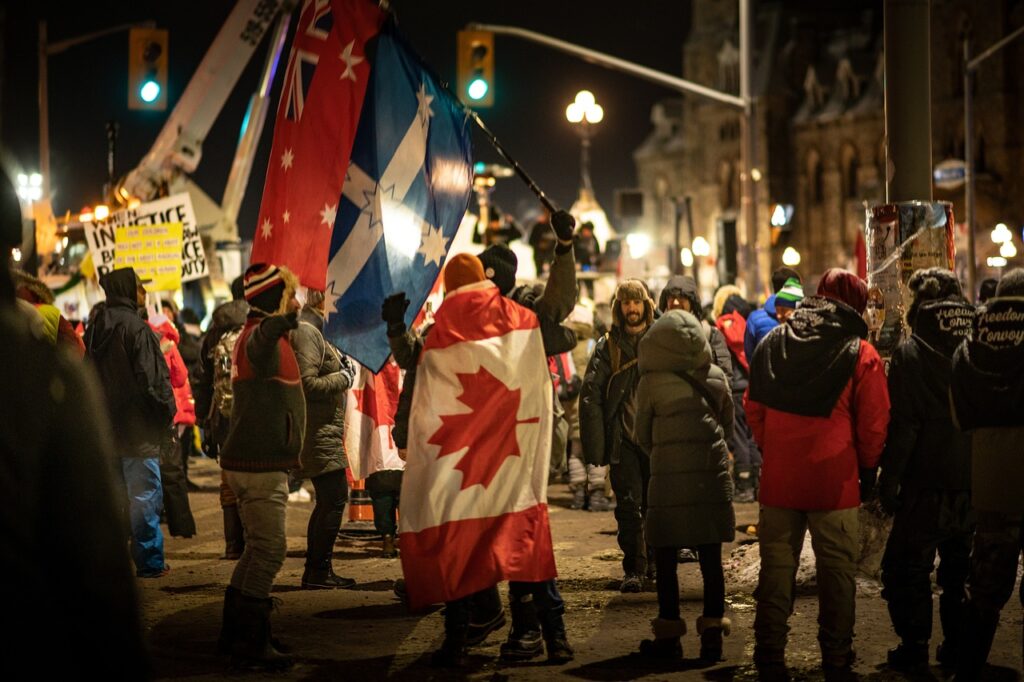

Dozens of South Asian international graduates have launched an indefinite hunger strike in Prince Edward Island and Ontario this week, protesting recent federal and provincial immigration policy shifts that deny them Post-Graduation Work Permit extensions and jeopardize their legal status in Canada.
The demonstrators, mostly Indian graduates who completed post-secondary programs across Canadian institutions, claim the sudden regulatory changes unfairly target foreign workers who arrived under earlier policy promises. Protesters gathered in encampments outside provincial government buildings, carrying placards bearing slogans like ‘We studied here, we deserve to work here’ as their work visas expire without options for renewal.
Background of Canada’s Immigration Policy Pivot
For over a decade, Canada positioned its international education sector as a primary pathway to permanent residency, attracting hundreds of thousands of foreign students annually. The Post-Graduation Work Permit (PGWP) program served as the primary bridge, allowing graduates to gain Canadian work experience required for economic immigration streams.
However, intense political pressure surrounding a national housing shortage, overburdened healthcare infrastructure, and rising living costs prompted the Canadian government to announce significant immigration cutbacks in 2024. Immigration, Refugees and Citizenship Canada (IRCC) introduced strict caps on international student intake, elevated financial requirement thresholds, and restricted PGWP eligibility criteria to align strictly with targeted labor shortages.
Provincial governments simultaneously altered their Provincial Nominee Programs (PNP). Prince Edward Island, for instance, announced a 25 percent reduction in sales, service, and hospitality nominations to prioritize healthcare and construction sectors, leaving thousands of existing permit holders without expected pathways to residency.
Demonstrators Demand Retroactive Exemption and Transitional Protections
The hunger strike reflects growing desperation among temporary workers whose permits expire before the end of the year. Many affected individuals invested tens of thousands of dollars in tuition and living expenses under the assumption that labor regulations would remain consistent throughout their studies.
Organizers argue that retroactive policy enforcement punishes students who fulfilled every requirement set by educational institutions and government departments. Representatives from the student advocacy group ‘PEI Protestors Coalition’ stated that many members face immediate deportation, significant debt burdens, and economic distress in their home countries if transitional work permits are not granted.
The protests have expanded beyond Charlottetown into major metropolitan hubs, including Brampton and Toronto, where student groups have organized rallies outside local constituency offices and regional immigration centers.
Economic Dependence and Expert Perspectives
International education contributes over $22 billion annually to Canada’s economy, exceeding traditional major export sectors like auto parts and timber. Statistics Canada reports that foreign students make up a significant portion of the entry-level workforce in retail, hospitality, and customer service sectors across suburban and rural regions.
Economists and immigration policy experts remain divided on the long-term impact of the government’s sudden policy pivot. Mikal Skuterud, an economics professor at the University of Waterloo, notes that while recalibrating temporary population growth is essential for infrastructure stability, sudden shifts create severe friction and ethical dilemmas for individuals already in the pipeline.
Conversely, labor advocates highlight that relying on temporary resident status creates vulnerability to workplace exploitation. Migrant rights organizations contend that grandfathering current permit holders into existing rules would prevent a sudden exodus of skilled, English-proficient workers from communities experiencing regional labor shortages.
Industry Impact and What to Watch Next
The intensifying standoffs present serious political and economic implications for Canadian institutions and regional labor markets. Higher education institutions face deep budget shortfalls due to declining foreign enrollment, forcing several colleges to freeze hiring and scale back academic programming.
Observing groups are closely monitoring whether IRCC or provincial leaders will offer temporary bridging visas or grandfather clauses for current graduates before thousands of work permits expire by late autumn. Furthermore, diplomatic observers point to potential foreign relations repercussions, as prospective students in India and other key markets reassess Canada’s reputation as a stable and predictable destination for higher education.