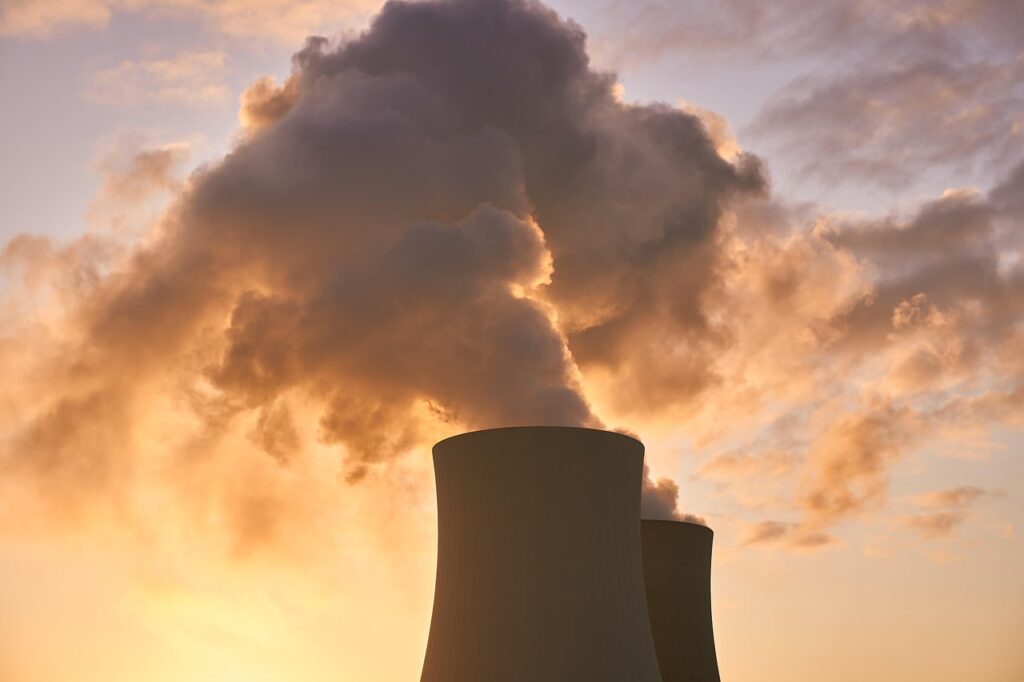

The Trump administration is actively advancing a comprehensive strategy to revitalize the domestic nuclear power sector while expanding international civil nuclear technology exports. A central pillar of this effort involves high-stakes negotiations for a bilateral agreement with Saudi Arabia to construct commercial nuclear facilities.
According to official reports, the broader policy directive aims to restore American leadership in global nuclear energy technology. However, the initiatives have drawn public attention due to overlapping business ties among private entities, political supporters, and key energy stakeholders.
While executive officials emphasize national security objectives and economic growth, legal analysts note that the rapid advancement of international nuclear deals creates complex intersections between federal energy policy and private enterprise.
Background and Geopolitical Context
For decades, the United States has maintained strict standards governing the export of sensitive civil nuclear technology under Section 123 of the Atomic Energy Act. These legal frameworks require partner nations to commit to stringent non-proliferation standards before accessing American nuclear fuel, equipment, and technical expertise.
In recent years, foreign competitors—particularly state-backed enterprises in Russia and China—have aggressively expanded their presence across the global energy market. Moscow and Beijing have successfully secured multi-billion-dollar reactor construction contracts across the Middle East, Eastern Europe, and Africa.
To counter this shifting geopolitical dynamic, federal policymakers have sought to streamline domestic regulatory processes and facilitate strategic international energy partnerships. Proponents argue that exporting American nuclear technology ensures high operational safety standards while binding partner nations to long-term alliance frameworks with Washington.
Domestic Policy and Foreign Negotiations
The current federal policy approach combines domestic regulatory modernization with assertive commercial diplomacy abroad. In the domestic sphere, regulatory agencies have taken targeted steps to reduce approval timelines for new reactor designs, particularly Next-Generation Small Modular Reactors (SMRs).
Internationally, negotiations with Saudi Arabia represent one of the most commercially lucrative opportunities for the American industrial sector. Official energy forecasts indicate that the kingdom intends to build up to 16 commercial nuclear reactors over the coming decades to diversify its energy grid away from domestic oil consumption.
According to reports, various private equity firms, energy vendors, and policy advisers with ties to administration allies are well-positioned within the broader nuclear supply chain. While direct legal conflicts of interest have not been formally established by regulators, the alignment of commercial opportunities and executive policy directives continues to generate debate among lawmakers.
Industry Impact and Ethical Scrutiny
The commercial nuclear sector has broadly welcomed executive efforts to support technological innovation and global export capabilities. Industry executives contend that robust government backing is vital for domestic manufacturers competing against heavily subsidized foreign state enterprises.
A broad revitalization of the nuclear supply chain could generate thousands of specialized engineering, manufacturing, and construction jobs across key industrial regions in the United States. Additionally, advanced nuclear systems are increasingly viewed by utility managers as essential for meeting rising power demands driven by data centers and heavy manufacturing.
However, ethics watchdogs and policy experts emphasize the need for transparency in executive branch energy negotiations. Critics argue that high-value international energy agreements require rigorous public disclosures and non-proliferation guarantees to prevent potential conflicts of interest and maintain national security integrity.
What to Watch Next
Moving forward, any finalized civil nuclear cooperation agreement with Saudi Arabia will require formal submission to Congress for statutory review. Members of key legislative committees have signaled their intent to scrutinize non-proliferation conditions and international safeguards before approving technology transfers.
Federal oversight bodies, including the Nuclear Regulatory Commission, will continue evaluating safety frameworks for next-generation nuclear deployments both domestically and abroad. Independent monitoring groups are also expected to request further disclosures regarding private sector involvement in preliminary policy discussions.
As energy diplomacy remains a pivotal component of national economic policy, the balance between commercial expansion, non-proliferation standards, and ethical oversight will define the upcoming legislative debates surrounding American nuclear power.
Disclaimer: This article is published for general news and informational purposes only. While every effort has been made to ensure accuracy, readers are advised to verify important information from official sources. The publisher shall not be responsible for any loss or inconvenience arising from reliance on the information published.