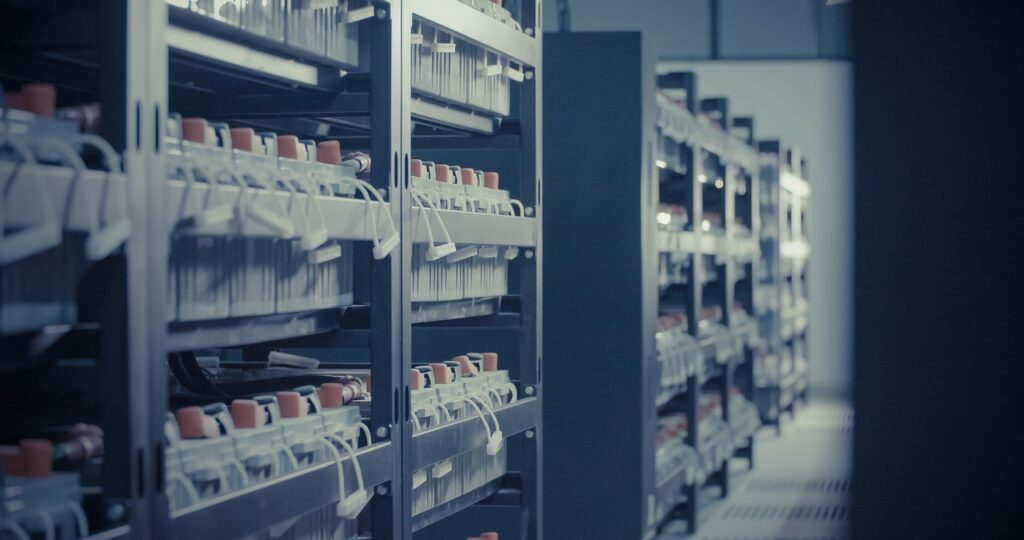

The global race to dominate the artificial intelligence sector has triggered an unprecedented financial shift among the world’s largest technology companies. As the demand for generative AI applications explodes, industry giants are committing to massive long-term lease agreements to secure the necessary infrastructure. Recent financial data and market analysis indicate that these total lease obligations are now approaching a collective $1 trillion.
Microsoft, Amazon, Google, and Oracle are leading this infrastructure expansion, pivoting away from traditional hardware ownership toward massive third-party leasing models. This strategic shift allows these firms to deploy AI capabilities at a speed that building their own facilities would not permit. According to official financial filings, the scale of these commitments has ballooned significantly over the past twenty-four months.
The Strategic Pivot to Leasing
Historically, Big Tech companies preferred to own their data centers to maintain total control over their proprietary hardware and security protocols. However, the sudden arrival of large language models (LLMs) changed the timeline for infrastructure development. Building a hyperscale data center from the ground up can take several years, a delay that many firms cannot afford in the current competitive climate.
By leasing space from specialized providers, companies can bypass the lengthy construction and permitting phases. These providers offer ready-made environments equipped with the high-density power and cooling systems required for Nvidia’s high-end GPUs. This trend has turned data center real estate into one of the most lucrative sectors in the global economy.
Oracle and the New Infrastructure Standard
Oracle has emerged as a primary example of this aggressive expansion strategy. According to recent reports, the company has significantly increased its capital expenditure to keep pace with cloud rivals. Oracle’s latest financial disclosures reveal billions of dollars in new lease obligations specifically tied to AI-ready data centers.
Industry analysts note that Oracle is positioning itself as a key player for enterprises seeking dedicated AI clouds. To meet this demand, the company is securing vast amounts of floor space across multiple continents. Official data shows that the company’s remaining performance obligations have grown alongside its physical footprint, signaling a long-term bet on cloud-based AI services.
Financial Implications and Market Risks
While the $1 trillion lease burden underscores the confidence of Big Tech, it also introduces substantial financial risks. These leases are typically long-term, non-cancelable contracts that create a massive fixed-cost structure. If the anticipated revenue from AI services fails to materialize at the expected scale, these companies could face significant margin pressure.
Investors are closely monitoring how these liabilities are managed on corporate balance sheets. Unlike capital expenditures for owned equipment, which can be depreciated over time, lease payments represent a constant drain on cash flow. Market experts suggest that the current spending spree assumes a decade or more of sustained growth in AI demand.
The Impact on Global Energy and Real Estate
The surge in data center leasing is also reshaping the commercial real estate and energy sectors. Data center REITs (Real Estate Investment Trusts) have seen their valuations soar as Big Tech competes for limited available space. In major hubs like Northern Virginia and Dublin, vacancy rates for high-capacity facilities have dropped to near-zero levels.
This expansion is placing immense pressure on local power grids. Official reports from utility providers indicate that data centers now account for a growing percentage of total electricity consumption. Many tech firms are now forced to sign power purchase agreements for renewable energy just to ensure their leased facilities have enough electricity to operate.
What to Watch Next
As the $1 trillion lease milestone nears, the industry is entering a phase of consolidation and optimization. Observers should watch for how companies integrate custom silicon to reduce the power demands of these massive facilities. Efficiency gains will be critical in justifying the high cost of these long-term lease commitments.
Furthermore, regulatory scrutiny regarding energy usage and land development is expected to intensify. Governments may introduce stricter zoning laws or environmental mandates that could slow the pace of new data center construction. The ability of Big Tech to navigate these hurdles will determine the ultimate success of their trillion-dollar infrastructure gamble.
Disclaimer: This article is published for general news and informational purposes only. While every effort has been made to ensure accuracy, readers are advised to verify important information from official sources. The publisher shall not be responsible for any loss or inconvenience arising from reliance on the information published.