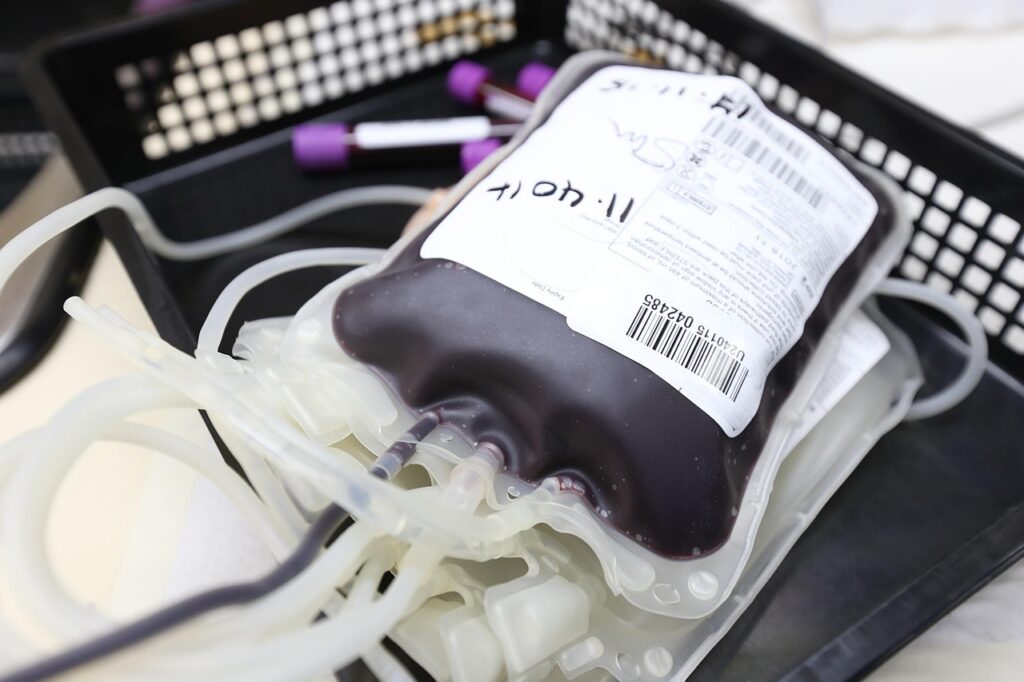

India’s healthcare infrastructure is facing a critical paradox as official data reveals that over 17.4 lakh units of blood and its components were discarded in the 2024-2025 period. This significant wastage occurred despite the country achieving record-breaking numbers in voluntary blood collection across various states.
The findings, according to official reports, highlight a systemic failure in managing the supply chain for life-saving biological resources. While public awareness campaigns have successfully driven donors to blood banks, the logistics required to preserve and utilize these donations remain inadequate.
Health authorities indicate that the discarded units primarily consisted of whole blood, red blood cells, plasma, and platelets. The scale of the loss has raised concerns among medical professionals regarding the efficiency of the national blood transfusion network.
The Scale of the Crisis
Official data shows that the volume of discarded blood components has reached a multi-year high. This trend persists even as many hospitals in rural and semi-urban areas continue to report chronic shortages of specific blood types.
The majority of the wastage is attributed to the expiration of shelf life. Blood is a highly perishable resource, and without a synchronized real-time tracking system, units often sit in storage until they are no longer safe for transfusion.
In several high-collection states, the surplus of donations exceeded the immediate local demand. However, the lack of a robust inter-state transfer mechanism meant that these surplus units could not be moved to regions facing deficits before they expired.
The Science of Perishability
Modern medicine relies on component therapy, where a single unit of donated blood is separated into red cells, plasma, and platelets. This process is designed to save multiple lives, but it also complicates the storage timeline.
Platelets, which are essential for cancer patients and those with dengue, have an extremely short shelf life of only five days. According to reports, a significant portion of the 17.4 lakh discarded units consisted of expired platelets that could not be matched to patients in time.
Plasma can be stored for up to a year if frozen correctly, yet even these units were discarded in large numbers. This often occurs due to equipment failure, improper temperature maintenance, or a lack of processing facilities at the point of collection.
Systemic Challenges and Infrastructure Gaps
The primary driver of this wastage is the fragmented nature of blood bank operations. India currently operates thousands of blood banks under various jurisdictions, including government, private, and NGO-led facilities.
Many smaller blood banks lack the sophisticated component separation units required to maximize the utility of every donation. Consequently, they often store whole blood, which has a shorter shelf life and lower clinical versatility than separated components.
Furthermore, the lack of a centralized digital inventory system prevents hospitals from seeing real-time availability in neighboring districts. This information gap leads to situations where one facility discards blood due to oversupply while another nearby facility struggles to find a donor for an emergency surgery.
Economic and Medical Implications
The disposal of 17.4 lakh blood components represents a massive loss of resources, both in terms of medical potential and financial investment. Each unit of blood involves costs related to testing for transfusion-transmitted infections, storage, and labor.
Beyond the financial impact, the wastage has a profound effect on public trust. Voluntary donors contribute with the expectation that their gift will save a life; news of mass discards may discourage future participation in donation drives.
For the healthcare economy, this inefficiency increases the overall cost of treatment. When blood is wasted, the remaining supply becomes more expensive to manage, and the pressure on emergency services intensifies during seasonal outbreaks of diseases like malaria or dengue.
What to Watch Next
To address this crisis, health experts are calling for the mandatory integration of all blood banks into a single national digital platform. Systems like e-RaktKosh are being expanded to provide better visibility into inventory levels across the country.
Observers should also monitor government investments in cold chain logistics. Improving the transportation of blood components between cities could significantly reduce expiration rates by moving units from surplus areas to high-demand centers.
Finally, there is a growing movement toward “demand-based” donation drives. Rather than holding massive one-day events that overwhelm storage capacity, authorities are looking at scheduling smaller, more frequent drives to ensure a steady and manageable flow of blood products.
Disclaimer: This article is published for general news and informational purposes only. While every effort has been made to ensure accuracy, readers are advised to verify important information from official sources. The publisher shall not be responsible for any loss or inconvenience arising from reliance on the information published.