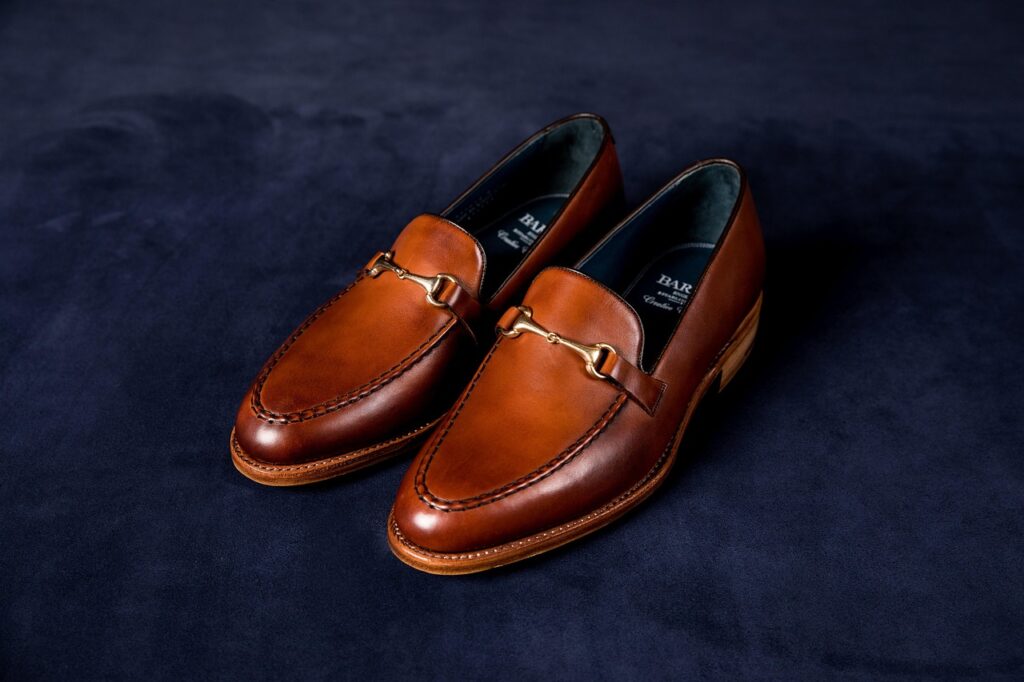

A significant shift is occurring in corporate environments across major global hubs as young professionals increasingly abandon the high-end sneakers that defined office fashion for a decade. In cities such as New York, London, and Tokyo, Gen Z workers are opting for traditional “hard shoes,” including loafers, derbies, and oxfords. This movement marks a departure from the “startup chic” aesthetic that once prioritized athletic-inspired footwear in the boardroom.
For more than ten years, the luxury minimalist sneaker served as the ultimate status symbol for the modern worker. Championed by Silicon Valley executives and adopted by creative and financial sectors alike, the trend made it acceptable to pair trainers with tailored trousers. However, recent market observations suggest that the novelty of the office sneaker has reached a saturation point, leading to a resurgence of classic silhouettes.
The Decline of the Executive Sneaker
The casualization of the workplace reached its zenith in the mid-2010s when brands like Common Projects and Cole Haan bridged the gap between athletic performance and professional style. According to retail analysts, this “business casual” era was defined by a desire for comfort and a rejection of the stuffy formality associated with previous generations. For a long period, wearing expensive sneakers was seen as a sign of being agile and forward-thinking.
However, the global pandemic acted as a major catalyst for change in the way employees view their professional identity. After years of working remotely in domestic attire, the return to physical office spaces has prompted a desire for a clearer distinction between home and work life. Official data from fashion search engines shows a significant uptick in queries for traditional leather footwear among consumers aged 18 to 26.
A Shift in Generational Identity
Fashion historians note that generational shifts often involve a rejection of the previous cohort’s standards. Just as Millennials replaced the formal suits of Gen X with hoodies and sneakers, Gen Z is now distancing itself from what it perceives as the “Millennial uniform.” As high-end sneakers become associated with older managers and “dad fashion,” younger employees are seeking out styles that feel more subversive and distinct.
Social media platforms have played a pivotal role in accelerating this transition. Trends such as “dark academia” and “quiet luxury” have gone viral on TikTok and Instagram, emphasizing heritage brands and durable, structured clothing. Influencers are frequently seen pairing chunky loafers or vintage oxfords with modern office wear, signaling that formality is the new cool.
Impact on the Footwear Market and Industry
The shift in consumer preference is already impacting the bottom lines of major footwear players. While the global sneaker market remains a multibillion-dollar industry, growth in the luxury sneaker segment has begun to stabilize. In contrast, heritage brands like Dr. Martens and G.H. Bass have reported renewed interest from younger demographics who value the longevity and timelessness of leather goods.
Retailers are responding by reallocating floor space once dedicated to limited-edition sneaker drops to curated collections of loafers and dress shoes. This trend is not limited to men’s fashion; women’s professional wear is also seeing a move toward substantial, structured footwear over casual flats. Industry reports indicate that consumers are increasingly viewing high-quality leather shoes as a more sustainable investment compared to synthetic trainers.
The Psychology of Professionalism
Beyond the aesthetic appeal, there is a psychological component to the return of the dress shoe. Experts in fashion psychology suggest that the physical weight and structure of a leather shoe can influence an individual’s mindset, a phenomenon known as “enclothed cognition.” Wearing more formal footwear can foster a sense of authority and focus, helping workers feel more prepared for the challenges of a competitive job market.
Furthermore, the durability of traditional footwear aligns with the growing environmental consciousness of younger consumers. A well-made pair of oxfords can be resoled and repaired for decades, offering a counter-narrative to the disposable nature of fast-fashion sneakers. This focus on craftsmanship and quality is becoming a key driver in the purchasing decisions of the new workforce.
What to Watch Next
As the “post-sneaker” era takes hold, observers will be looking to see if this formality extends to other aspects of the professional wardrobe. There are early indications of a return to structured tailoring, including blazers with stronger shoulders and wider-leg trousers that complement the silhouette of a heavier shoe. The challenge for traditional shoemakers will be to maintain the comfort levels that workers have grown accustomed to over the last decade.
In the coming months, expect to see more “hybrid” designs that incorporate modern cushioning technology into classic leather uppers. While the office may never return to the rigid dress codes of the mid-20th century, the era of the executive sneaker appears to be fading. For the current generation of professionals, the message is clear: standing out now requires stepping back into the classics.
Disclaimer: This article is published for general news and informational purposes only. While every effort has been made to ensure accuracy, readers are advised to verify important information from official sources. The publisher shall not be responsible for any loss or inconvenience arising from reliance on the information published.