
Meta Platforms Inc. has officially launched Muse Glimmer, a sophisticated new open-weight artificial intelligence model designed to operate on significantly reduced hardware requirements. The release coincides with a public push from Chief Executive Mark Zuckerberg for the United States to reconsider its current regulatory trajectory regarding open-source AI technology.
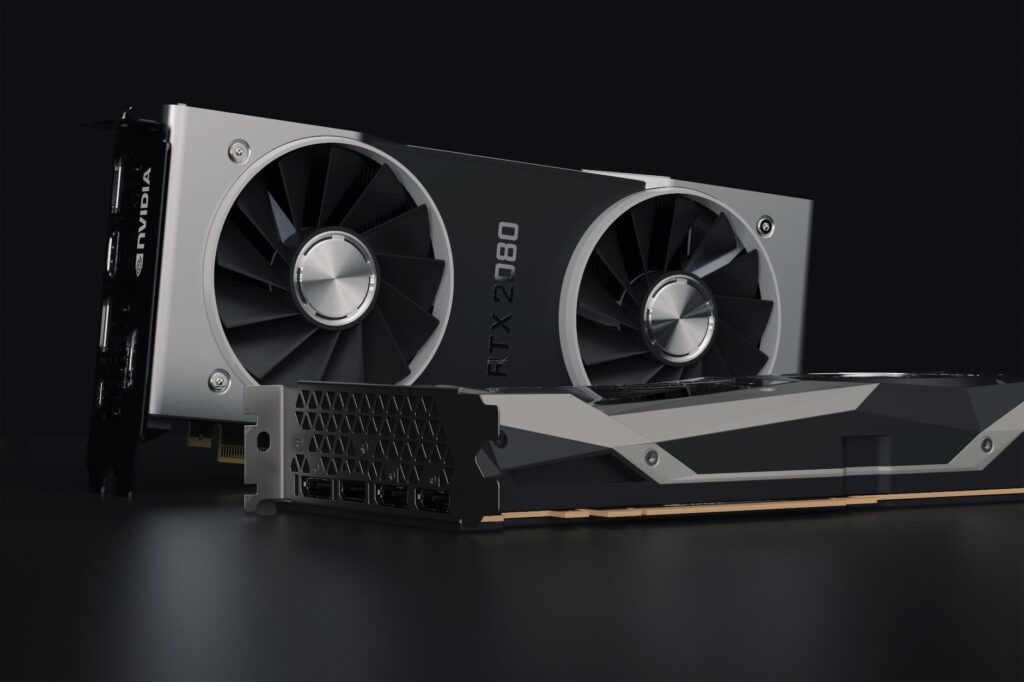
According to official announcements, Muse Glimmer represents a breakthrough in efficiency, allowing the model to run effectively on a single consumer-grade graphics card. This technical achievement aims to democratize access to high-level AI, enabling individual developers and small startups to build applications without the need for massive server farms or expensive cloud computing contracts.
The Strategic Launch of Muse Glimmer
Muse Glimmer enters a crowded marketplace but distinguishes itself through its “open-weight” architecture. Unlike proprietary models that remain locked behind corporate APIs, Meta provides the underlying weights of the model, allowing researchers to study, modify, and deploy the system locally.
Technical reports suggest that Muse Glimmer is optimized for speed and low latency. By minimizing the computational footprint, Meta is addressing one of the primary barriers to AI adoption: the skyrocketing cost of energy and hardware. This model is expected to serve as a foundation for a new generation of edge-computing applications, ranging from personalized digital assistants to real-time data processing on local devices.
Zuckerberg Advocates for Regulatory Reform
During the launch phase, Mark Zuckerberg has been vocal about the geopolitical implications of AI regulation. He argues that the United States must maintain its lead in the global AI race by fostering an environment that supports open-source development. According to reports, Zuckerberg believes that overly restrictive regulations could inadvertently hand an advantage to international rivals, specifically China.
The Meta CEO contends that open-source technology is a core American strength. By allowing the global developer community to build upon American-made models, the U.S. can set global standards and ensure its technological values remain dominant. Zuckerberg has expressed concern that if the U.S. shifts toward a closed, highly regulated model, it may slow down the pace of innovation while other nations move forward without such constraints.
The Geopolitical AI Landscape
The competition between the U.S. and China in the field of artificial intelligence has become a focal point of international trade and security policy. Official data shows that Chinese firms are rapidly developing their own large language models, often leveraging open-source foundations to accelerate their progress.
Zuckerberg’s call for fewer restrictions is a direct response to this pressure. He suggests that a “closed” approach by the U.S. would be counterproductive. Instead, he advocates for a strategy where transparency and community collaboration serve as the primary drivers of safety and security, rather than government-mandated silos.
Impact on the Tech Industry and Economy
The release of Muse Glimmer is expected to have an immediate impact on the software development industry. By making powerful AI tools accessible on standard hardware, Meta is effectively lowering the barrier to entry for innovation. This could lead to a surge in AI-driven startups that were previously priced out of the market by high infrastructure costs.
Furthermore, the shift toward open-weight models challenges the business models of companies that rely on subscription-based access to proprietary AI. Industry analysts suggest that if Meta continues to release high-quality open models, it could force a market-wide pivot toward services and integration rather than simple access to raw model power.
Economically, this democratization supports a more decentralized tech ecosystem. It reduces the reliance on a few major cloud providers, potentially distributing the economic benefits of the AI boom across a wider range of players and geographic regions.
What to Watch Next
Observers are now looking toward Washington to see if Zuckerberg’s arguments will resonate with policymakers. The debate over AI safety versus innovation speed remains a central theme in ongoing legislative discussions. Future executive orders or congressional bills could either tighten the leash on open-source releases or provide the “light-touch” framework that Meta is advocating for.
In the coming months, the performance of Muse Glimmer in real-world applications will be a key metric of success. If the model proves that “smaller” AI can compete with enterprise-level giants, it may trigger a shift in how the industry approaches model architecture. Additionally, the response from global competitors will be critical as the race for AI supremacy enters this new, more accessible phase.
Disclaimer: This article is published for general news and informational purposes only. While every effort has been made to ensure accuracy, readers are advised to verify important information from official sources. The publisher shall not be responsible for any loss or inconvenience arising from reliance on the information published.