
Escalating Tensions in the Region
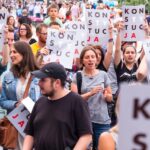
Human rights advocates and political activists have accused Pakistani authorities of a violent crackdown in Pakistan-Administered Jammu and Kashmir (PoJK), reporting that 22 individuals have been killed and 576 arrested during recent civil unrest. The allegations were brought to the forefront at the United Nations Human Rights Council (UNHRC) in Geneva, where international observers expressed deep concern over the reported use of excessive force against peaceful demonstrators.
The Roots of the Unrest
The current instability stems from widespread protests led by the Joint Awami Action Committee (JAAC), a coalition representing various trade unions and civil society groups. Demonstrators have been calling for substantive relief regarding soaring electricity tariffs, high wheat flour prices, and persistent inflation that has crippled the local economy.
These protests, which gained significant momentum in May, were met with heavy-handed security interventions. Authorities implemented strict curfews and suspended internet services across several districts, effectively cutting off communication channels for residents and protesters alike.
A Detailed Account of the Clashes
Reports reaching the UNHRC indicate that security forces utilized tear gas, rubber bullets, and, in several documented instances, live ammunition to disperse gatherings. The arrest count, which currently stands at 576, includes prominent political activists, lawyers, and youth leaders who were allegedly detained under broad public order laws.
Independent journalists on the ground have faced significant hurdles in verifying these figures due to the government’s communication blackout. However, reports from regional hospital sources and local human rights organizations consistently point to a rising death toll and an increasing number of injuries requiring critical care.
Expert Perspectives and Human Rights Concerns
International human rights organizations, including Amnesty International and Human Rights Watch, have called for an independent investigation into the conduct of the security services. These groups argue that the state’s response violates international standards concerning the right to assembly and freedom of expression.
Data provided by local advocacy groups suggests that the economic grievances are deeply intertwined with long-standing political frustrations. The lack of equitable resource distribution and regional autonomy remains a central theme in the rhetoric of the protesters, who argue that the region is being systematically marginalized by the central government in Islamabad.
Broader Implications for Regional Stability
The situation in PoJK poses a significant challenge for the Pakistani administration, which is already grappling with a severe national economic crisis. The inability to address local grievances without resorting to military or police force risks further alienating the local population and potentially destabilizing the broader region.
For the international community, the unfolding events serve as a barometer for human rights compliance in South Asia. Observers will be closely watching the upcoming sessions of the UNHRC to see if member states move beyond statements of concern to advocate for more concrete accountability measures.
The immediate outlook remains tense as trade unions have threatened to resume protests if their demands are not met. Future developments will likely hinge on whether the government adopts a policy of dialogue or continues to rely on securitized responses to address what is fundamentally an economic and social crisis.