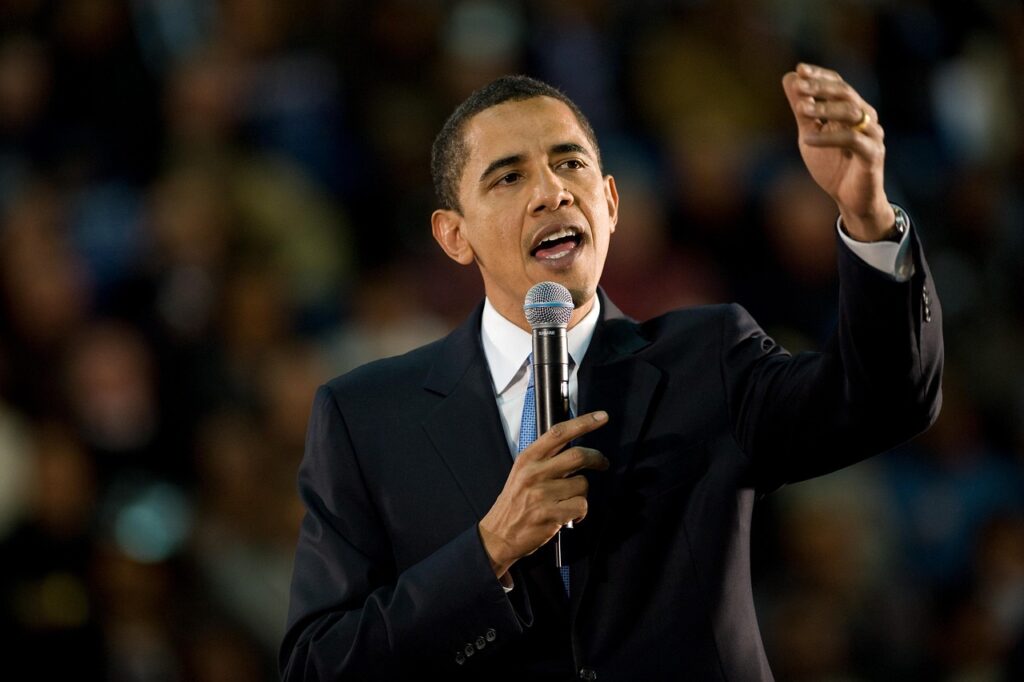

In the wake of a challenging election cycle for the Democratic Party, Senator-elect Adam Schiff has emerged as a prominent voice calling for a fundamental reassessment of the party’s communication strategy. Schiff, who recently secured his seat in the U.S. Senate representing California, has begun a public dialogue regarding what he describes as a “losing message” that failed to resonate with a broad enough segment of the American electorate.
According to recent interviews and public statements, Schiff argues that the Democratic Party must move away from an over-reliance on identity politics and return to core economic issues that affect everyday citizens. This internal critique comes at a pivotal moment as the party seeks to understand why it lost ground with traditional constituencies, including working-class voters and various minority demographics.
Background and Political Context
The Democratic Party entered the 2024 election cycle with a focus on protecting democratic institutions and highlighting social progress. However, the final results indicated a significant shift in voter priorities, with inflation and the cost of living taking center stage in the minds of the electorate.
Adam Schiff, a former House Intelligence Committee Chairman, has long been a central figure in the party’s national profile. His transition to the Senate provides him with a platform to influence the party’s future direction and legislative priorities over the coming six years.
Official data from exit polls suggests that while social issues remain important to the Democratic base, the party struggled to articulate a persuasive economic vision. This gap allowed political opponents to frame the narrative around fiscal management and border security, areas where Democrats faced significant polling headwinds.
Latest Developments and Key Facts
Schiff has specifically addressed the friction between the party’s progressive wing, represented by figures like Representative Alexandria Ocasio-Cortez (AOC), and the more centrist establishment. He suggests that while the energy of the progressive movement is vital, the messaging must be calibrated to appeal to moderate voters in swing states.
In discussions regarding the American Israel Public Affairs Committee (AIPAC), Schiff has defended the role of traditional advocacy groups within the party framework. This stands in contrast to some progressive members who have criticized AIPAC’s influence on primary elections and foreign policy stances.
According to reports, Schiff believes that internal divisiveness over foreign policy and specific advocacy groups has occasionally distracted from a unified national platform. He emphasizes the need for a “big tent” approach that accommodates diverse viewpoints without alienating the middle class.
Schiff has also pointed to the importance of the “kitchen table” message. He notes that if voters do not feel the party understands their struggle to pay for groceries or housing, they are unlikely to be moved by broader arguments regarding the state of democracy.
Impact on Readers and the Political Landscape
The shift in rhetoric from leaders like Schiff signals a potential move toward the political center for the Democratic Party. This transition could lead to a change in legislative focus, prioritizing tax credits, infrastructure jobs, and healthcare costs over more polarized social debates.
For the average reader, this means the political discourse in the coming years may focus more heavily on tangible economic outcomes. The industry and business sectors are also watching these developments closely, as a more moderate Democratic platform could influence regulatory environments and trade policies.
The internal debate also impacts the party’s fundraising and mobilization efforts. By addressing the concerns of groups like AIPAC and reconciling with the progressive wing, the party hopes to rebuild a coalition capable of winning back lost ground in the 2026 midterm elections.
What to Watch Next
Observers should monitor the upcoming leadership elections within the Democratic National Committee (DNC) to see if Schiff’s philosophy gains broader institutional support. The selection of new leadership will be a primary indicator of whether the party intends to double down on current strategies or pivot toward the center.
Furthermore, the legislative behavior of the incoming Senate class will be telling. As Schiff and his colleagues take their seats, their willingness to compromise on bipartisan economic bills will demonstrate the practical application of this renewed focus.
The relationship between the party establishment and the progressive “Squad” will also remain a point of interest. Whether AOC and Schiff can find common ground on a unified economic message will likely determine the party’s effectiveness as an opposition force over the next four years.
Finally, public polling in 2025 will provide the first real feedback on whether this shift in messaging is successfully winning back the trust of working-class voters. The party’s ability to rebrand itself as the champion of economic stability remains its most significant challenge.
Disclaimer: This article is published for general news and informational purposes only. While every effort has been made to ensure accuracy, readers are advised to verify important information from official sources. The publisher shall not be responsible for any loss or inconvenience arising from reliance on the information published.