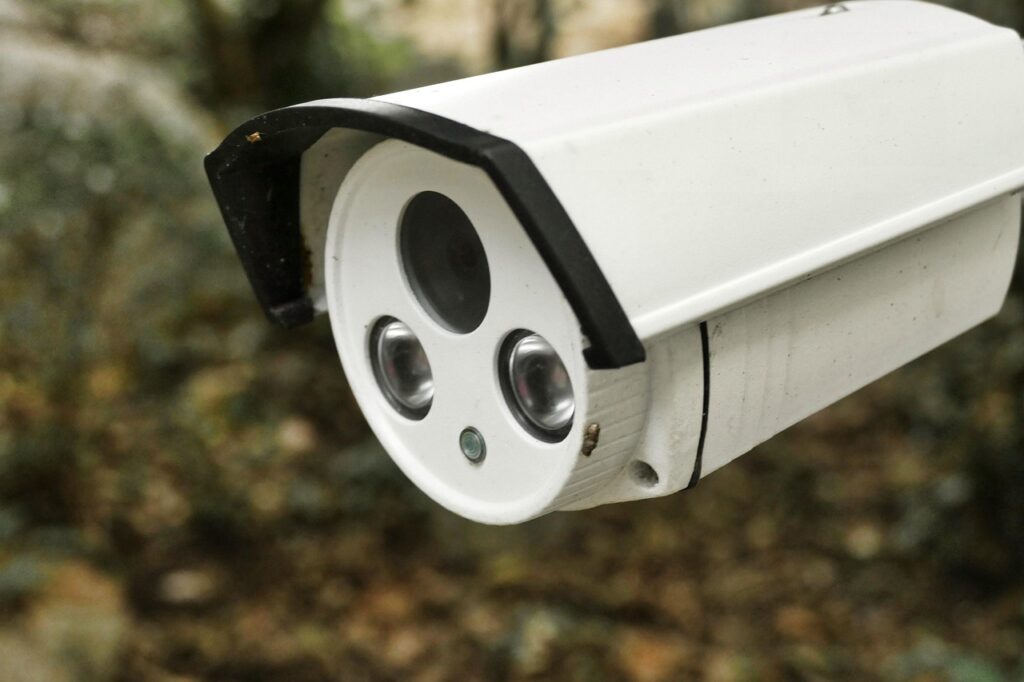

Authorities in Bibb County, Georgia, have arrested three former sheriff’s deputies following an internal investigation into the unauthorized use of automated license plate recognition technology. The arrests occurred this week after officials discovered the deputies allegedly used the Flock Safety camera system to stalk individuals for personal reasons.
Bibb County Sheriff David Davis confirmed the dismissals and subsequent criminal charges during a press conference. The investigation revealed that the officers accessed the sensitive database to track movements and locations of people outside the scope of any official law enforcement activity.
The incident has intensified a growing national conversation regarding the oversight of advanced surveillance tools. Flock Safety cameras are currently deployed in 49 states, providing law enforcement agencies with real-time data on vehicle movements across thousands of jurisdictions.
Background of Flock Safety Technology
Flock Safety provides a network of high-speed cameras designed to capture license plate numbers and unique vehicle characteristics. These cameras are often installed on public roads, at neighborhood entrances, and near commercial centers to assist police in solving crimes like vehicle theft or locating missing persons.
According to official reports, the technology allows users to search for specific vehicles and receive alerts when a flagged car passes a camera. While the company maintains that the data is encrypted and stored temporarily, critics have long warned about the potential for human error and intentional abuse.
The system is marketed as a tool for objective policing, yet the Bibb County case highlights a vulnerability in how access is managed at the departmental level. Current policies typically require a valid reason for every search, but enforcement of these rules often relies on internal audits.
Details of the Misconduct and Arrests
The former deputies face charges including violation of oath of office and computer invasion of privacy. Investigators found that the misuse was not a one-time occurrence but a pattern of behavior used to monitor specific individuals without legal justification.
Sheriff Davis emphasized that the department maintains a zero-tolerance policy regarding the breach of public trust. The internal audit that led to the arrests was part of a routine check intended to ensure that surveillance tools are used strictly for public safety purposes.
Official data shows that the deputies allegedly used their credentials to bypass standard protocols. By entering specific plate numbers into the system, they were able to receive notifications on the whereabouts of their targets, effectively using a crime-fighting tool as a personal stalking device.
National Implications and Privacy Concerns
This case serves as a high-profile example of the risks associated with the rapid expansion of private-public surveillance partnerships. Privacy advocates, including groups like the American Civil Liberties Union (ACLU), have frequently argued that without strict legislative safeguards, ALPR systems pose a threat to civil liberties.
The lack of uniform federal regulations means that individual departments are often responsible for creating their own usage policies. This creates a patchwork of oversight where the level of transparency varies significantly from one county to the next.
Industry experts suggest that while the technology itself is effective at catching criminals, the human element remains the weakest link. The ability for an individual officer to track a citizen’s movements across a city without a warrant or probable cause remains a central point of contention in legal circles.
Impact on the Community and Industry
The arrests have shaken local public confidence in the Bibb County Sheriff’s Office. Community leaders are now calling for more transparent auditing processes and third-party oversight of how surveillance data is accessed and shared.
For the surveillance industry, this incident may lead to more rigorous software features. Some experts predict that technology providers like Flock Safety may be pressured to implement more robust multi-factor authentication or mandatory justification fields that require secondary approval for certain types of searches.
Economically, the controversy could affect future contracts between municipalities and surveillance firms. If public pushback grows, local governments may become more hesitant to allocate taxpayer funds toward technologies that lack clear accountability measures.
What to Watch Next
Legal proceedings for the three former deputies are expected to begin in the coming months. The outcome of these cases will likely set a precedent for how the judicial system handles the misuse of digital surveillance tools by law enforcement personnel.
Legislators in several states are already considering bills that would limit the retention period of license plate data and mandate regular public reporting of system audits. These legislative efforts aim to balance the benefits of modern policing with the constitutional right to privacy.
As the technology continues to evolve, the debate will likely shift toward the integration of facial recognition and other biometric data into existing camera networks. Observers will be watching closely to see if the Bibb County incident triggers a broader movement toward national standards for automated surveillance.
Disclaimer: This article is published for general news and informational purposes only. While every effort has been made to ensure accuracy, readers are advised to verify important information from official sources. The publisher shall not be responsible for any loss or inconvenience arising from reliance on the information published.