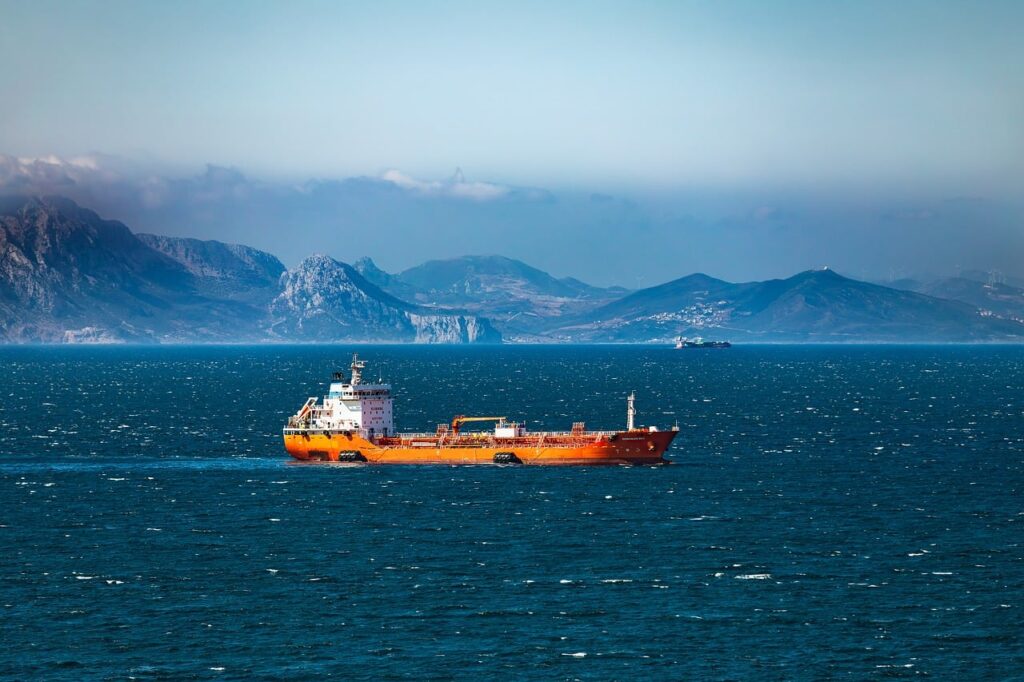

U.S. military forces conducted a series of precision strikes against ten Iranian military targets in the vicinity of the Strait of Hormuz on Tuesday, following a provocative drone attack on a commercial oil tanker. Ordered by President Trump, the operation specifically targeted key surveillance outposts, communication hubs, and drone launch facilities in a direct response to the disruption of maritime traffic.
The Context of Escalating Maritime Tensions
The Strait of Hormuz serves as one of the world’s most critical energy chokepoints, through which approximately 20% of global oil consumption passes daily. Tensions in the region have been simmering for months, characterized by a series of tit-for-tat skirmishes involving commercial vessels and regional naval assets.
This latest escalation shatters an interim ceasefire that had been in place to stabilize the region. The U.S. Department of Defense stated that the strikes were necessary to protect the freedom of navigation and to ensure the safety of international waters, which remain vital to global economic stability.
Operational Scope and Strategic Targets
Military analysts suggest the operation was designed to degrade Iran’s ability to monitor and harass shipping lanes in the Gulf. By targeting communication and surveillance infrastructure, the U.S. aims to create a strategic blind spot for Iranian forces attempting to intercept commercial vessels.
The Pentagon released video footage confirming the destruction of several drone hangars and radar installations. Officials emphasized that the strikes were calibrated to minimize collateral damage while sending a clear signal regarding the consequences of attacking international commercial interests.
Expert Perspectives on Regional Stability
Defense experts note that the use of precision-guided munitions underscores the U.S. military’s commitment to maintaining a deterrent presence without escalating to a full-scale regional conflict. However, some analysts warn that such actions could lead to retaliatory measures from proxy groups operating throughout the Middle East.
“The strike serves as a kinetic demonstration of resolve,” said one Washington-based security consultant. “The challenge for the administration remains finding the balance between deterrence and avoiding a broader entanglement in a conflict that could disrupt global energy markets.”
Long-term Implications for Global Trade
For the shipping and insurance industries, the strikes signal a period of continued uncertainty. Insurance premiums for vessels passing through the Strait are expected to rise as underwriters adjust to the heightened risk profile of the region.
Market analysts are closely monitoring global oil prices, which saw a modest uptick following the news of the strikes. Any further disruption to the flow of oil through the Strait could have immediate inflationary impacts on energy costs worldwide.
Looking forward, observers are waiting to see if Tehran will seek to de-escalate or if they will respond with asymmetric tactics. The U.S. has signaled that it maintains a ‘vigilant and lethal’ posture, indicating that further military action remains an option if threats to commercial shipping continue.