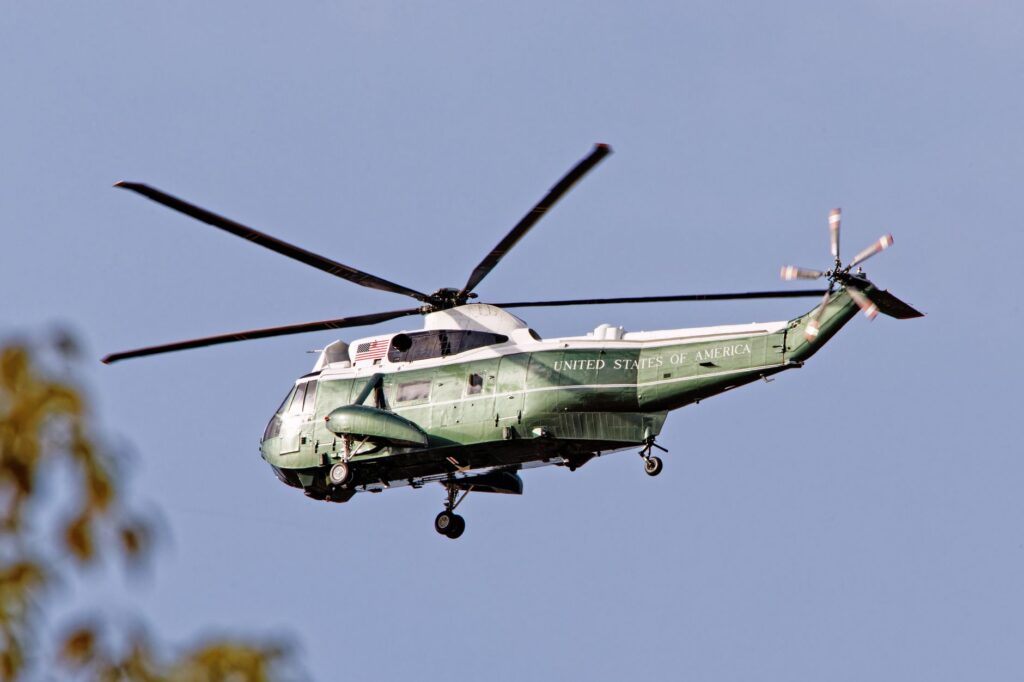

Federal aviation and defense authorities have launched a formal investigation following an airspace incident near Washington involving a military helicopter transporting the president and a commercial passenger aircraft.
Background of the Incident
The event occurred earlier this week in the heavily regulated airspace surrounding the nation’s capital. The military aircraft, operating under standard presidential transport protocols, found itself in close proximity to a scheduled commercial passenger flight.
Air traffic monitors flagged the occurrence as a potential safety violation, prompting immediate reviews by relevant federal agencies. Such proximity events trigger mandatory reporting and thorough safety checks to determine the exact separation distances and evaluate the performance of air traffic control systems.
Administration Response
Despite the concerns raised by aviation monitors, the White House moved quickly to address public anxiety. Officials insisted that the president was never at any point placed in actual danger.
According to administration representatives, standard safety margins and protocols remain robust during presidential movements. Security teams continuously assess risks, and operational guidelines are designed to mitigate any potential hazards in crowded metropolitan skies.
Airspace Safety and Regulations
The airspace above Washington is among the most congested and tightly controlled in the world. Coordinating movements between military rotorcraft and commercial aviation requires intricate planning by air traffic controllers.
Investigators will review radar data, audio recordings from control towers, and pilot reports to reconstruct the sequence of events. The primary goal of the ongoing probe is to identify any procedural breakdowns and ensure similar proximity incidents do not happen again.
Conclusion of the Review
As the investigation continues, aviation experts emphasize the importance of transparency and rigorous safety evaluations. Federal agencies are expected to release their findings once the comprehensive review of the airspace encounter is complete.