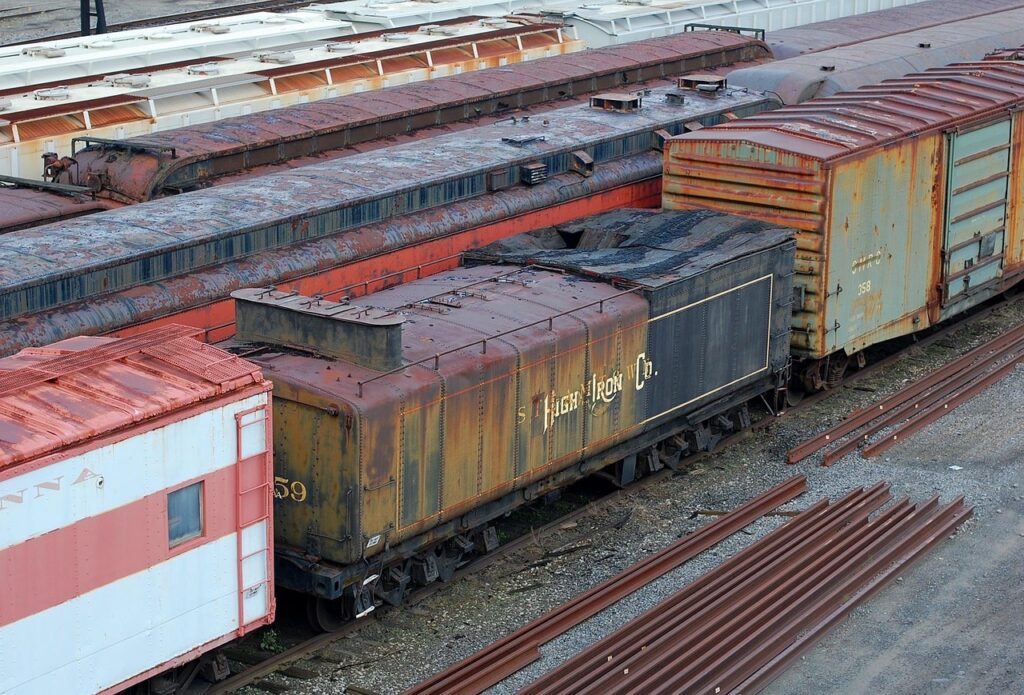

The European Union’s proposed restrictions on the export of metal scrap have sparked significant concern within India’s manufacturing sector as trade negotiators prepare for high-stakes discussions regarding a potential Free Trade Agreement (FTA). Industry leaders in New Delhi warn that the tightening of supply chains could drastically inflate production costs, potentially stalling the growth of the nation’s steel and automotive industries.
The Context of Circular Economy Regulations
The European Union is currently revising its Waste Shipment Regulation, a legislative move primarily designed to keep high-quality raw materials within the bloc to support its own Green Deal and circular economy objectives. By mandating that scrap be recycled within EU borders, Brussels aims to reduce its reliance on imported virgin materials and lower the carbon footprint of its industrial output.
For India, however, scrap metal is a vital input for its secondary steel sector, which relies heavily on imports to meet the demands of a rapidly expanding infrastructure market. India currently imports a substantial portion of its processed metal scrap from European nations, making it highly susceptible to policy shifts within the European Parliament.
Supply Chain Vulnerabilities and Market Impact
Market analysts suggest that the proposed restrictions could create a supply crunch, driving up global prices for ferrous and non-ferrous scrap. As the EU limits outflows, competitors in Southeast Asia and the Middle East may compete for a shrinking pool of available material, forcing Indian manufacturers to pay a premium.
“The cost of scrap is a primary determinant of the final price of steel products,” noted an industry consultant familiar with the trade talks. “If the EU closes the tap, the immediate result will be margin compression for Indian mills, who are already grappling with volatile energy costs and inflationary pressures.”
Data from trade monitoring agencies indicates that India’s secondary steel production, which utilizes electric arc furnaces, is the most exposed segment of the market. This sector has been instrumental in India’s transition toward greener steel production methods, but it requires a consistent, affordable supply of scrap to remain economically viable.
Strategic Implications for Trade Negotiations
The timing of these restrictions coincides with ongoing negotiations for an India-EU trade deal, adding a layer of complexity to the diplomatic process. Indian negotiators are expected to raise the issue of scrap access as a non-tariff barrier that contradicts the spirit of a free trade partnership.
Industry advocates argue that if the EU demands market access for its manufactured goods in India, it should reciprocate by allowing the free flow of essential raw materials. Failure to reach an amicable agreement could lead to retaliatory measures or the inclusion of specific protective clauses within the final FTA framework to ensure supply security for Indian importers.
Future Outlook and Industry Watch
Looking ahead, stakeholders should monitor the final language of the EU’s Waste Shipment Regulation, specifically regarding the criteria for “environmentally sound management” of waste exports. If the EU establishes strict, non-negotiable standards for importing nations, India may need to accelerate its own domestic scrap collection and processing infrastructure to reduce its dependence on foreign suppliers.
The next six months will be critical as both parties move toward a conclusion on the FTA. Observers should look for signs of a potential quota system or a phased implementation strategy that might allow Indian manufacturers to transition to alternative supply sources without suffering immediate financial shocks.